
Flagship project
Advancing Solar PV Developments in Uzbekistan
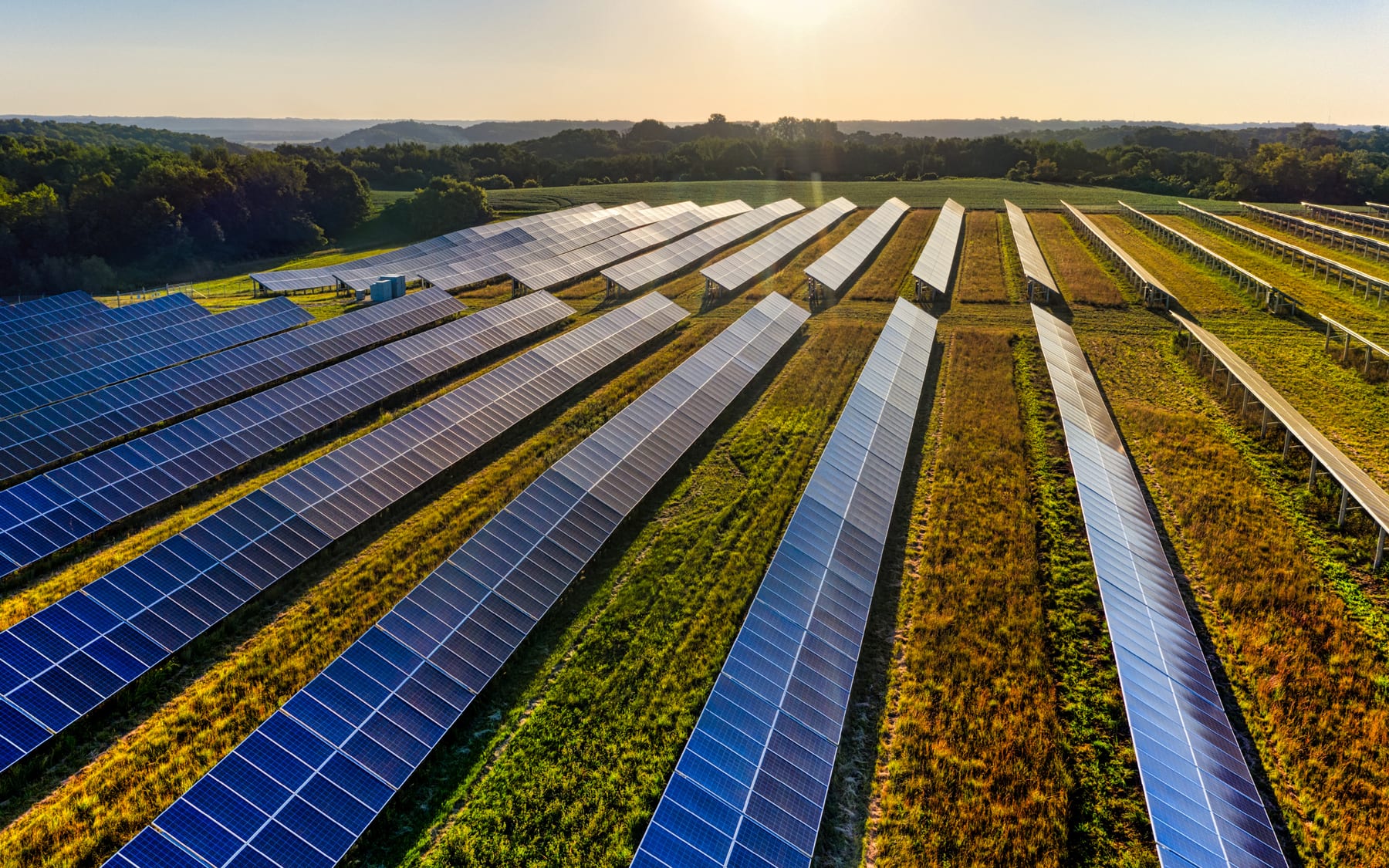
Three large solar developments at Sherabad, Samarkand and Jizzakh expand Uzbekistan's renewable portfolio through coordinated design, construction and grid-connection management.
The challenge
Projects of this scale involve thousands of interfaces across PV fields, substations, transmission connections, permits, contractors and commissioning schedules. Quality or coordination failures in one package can delay grid connection or reduce performance across an otherwise complete plant.
Our goal
The programme was established to bring the Sherabad, Samarkand and Jizzakh solar plants from post-contract design through construction and commissioning. Its purpose was to protect technical quality, manage interfaces and support timely delivery of major new renewable capacity to Uzbekistan's grid.
Our approach
Project controls coordinated schedules, documentation and contractor interfaces across the three sites. Designs and grid studies were reviewed, permits were followed and selected factory testing could be witnessed. Construction quality, health and safety, substation and transmission works, testing and commissioning were monitored through to the plants' operational milestones.
Impact in numbers
The three plants represent a substantial expansion of utility-scale solar capacity in Uzbekistan. Disciplined project management can reduce delays, improve construction quality and ensure that network interfaces are ready when generation becomes available. Successful commissioning contributes renewable electricity while building practical delivery experience across several large and technically connected sites.
Key highlights
- Sherabad provides 456.6 MWac, while Samarkand and Jizzakh each add 220 MWac.
- The projects include 35 kV and 220 kV substations and transmission interfaces, making connection management central to delivery.
- A shared management structure provided consistency while allowing site-specific issues to be resolved.
Success story
Managing three solar plants simultaneously requires a view across the portfolio without losing sight of details on each site. A delayed substation drawing, an unresolved grid interface or inconsistent construction quality can affect an entire commissioning sequence. The project-management structure brought schedules, design review, permits, site quality, safety and testing into a common process for Sherabad, Samarkand and Jizzakh. Teams could compare progress, escalate constraints and verify that plant and transmission packages were moving together. This coordination supports more than individual completion dates. It helps Uzbekistan add major solar capacity through projects whose grid connections, equipment and construction records are ready to perform as an integrated part of the national system.