Flagship project
Developing mangrove insurance solutions in the Philippines
Developing a typhoon-related mangrove insurance solution to help protect and restore coastal ecosystems and strengthen climate resilience in the Philippines.
The challenge
The Philippines faces about 20 tropical cyclones each year. Mangroves play a crucial role in protecting coastal communities by reducing damage from storms, surges, and tsunamis, saving up to USD 1 billion annually. However, over recent decades, hundreds of thousands of hectares of mangroves have been lost due to shrimp farming, economic pressures, and coastal development, increasing vulnerability to climate risks.
This loss threatens not only property and livelihoods but also rich biodiversity, fisheries, and the health of coral reefs. Mangroves are far more cost-effective for coastal protection than concrete seawalls, yet they are often undervalued and removed for short-term economic gain.
Our goal
Supporting the protection and restoration of mangrove ecosystems and integrating their value into risk reduction and insurance strategies. By promoting Nature-based Solutions (NbS) and innovative financing, the project seeks to strengthen climate resilience, support sustainable economic growth, and protect vital coastal environments for future generations.
Our approach
We support the development of a parametric mangrove insurance product that can provide faster financing after typhoons. Instead of waiting for funds to be mobilised after damage occurs, the approach makes financing available in advance through pre-agreed mechanisms. This helps local governments plan better, budget more predictably and respond faster when mangroves are damaged. The work combines ecosystem-based adaptation, vulnerability analysis, insurance design, stakeholder engagement and capacity building with local and national partners.
Impact in numbers
The project has established key technical, institutional and financing foundations for a pilot parametric mangrove insurance solution: a mangrove vulnerability analysis informs the product design, the collaboration with the Philippine Crop Insurance Corporation was formalised through a signed Memorandum of Agreement, the insurance development pathway shifted towards a scalable public insurer model, and local government readiness was strengthened in Biri-LaRoSa and Saint Bernard to assess, finance, budget and govern ecosystem-based insurance. Together, these results are helping move mangrove protection from reactive disaster response towards faster, more predictable financing for restoration and resilience.
Key highlights
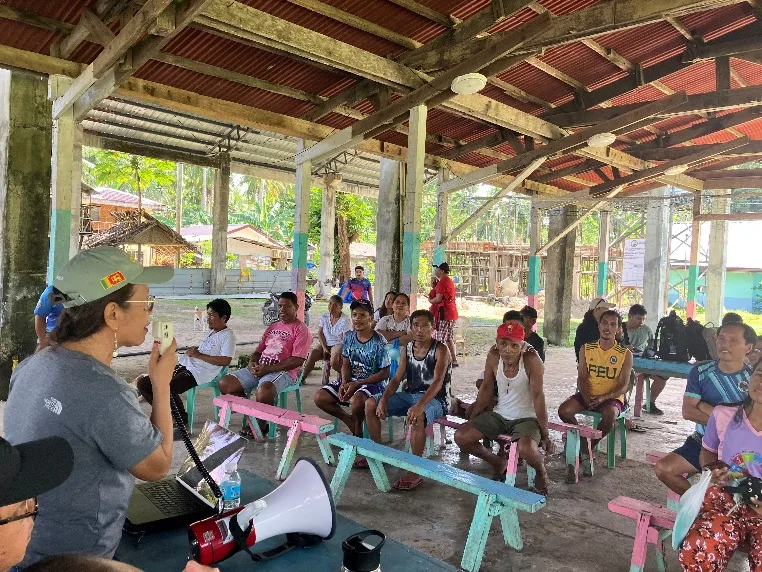
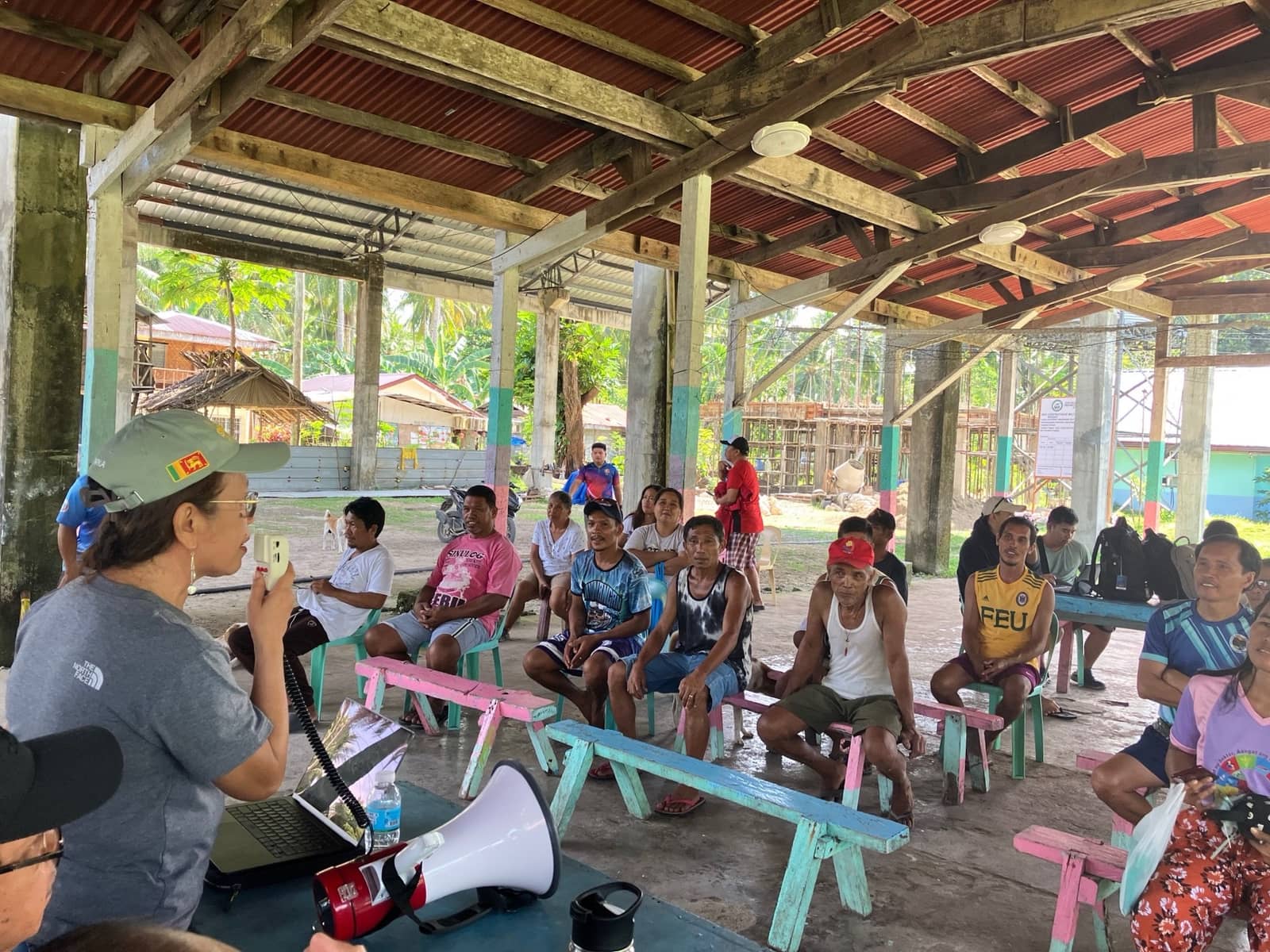
- Consulting local governments, communities and national institutions on mangrove risks and financing needs
- Preparing a mangrove vulnerability report to inform insurance product design
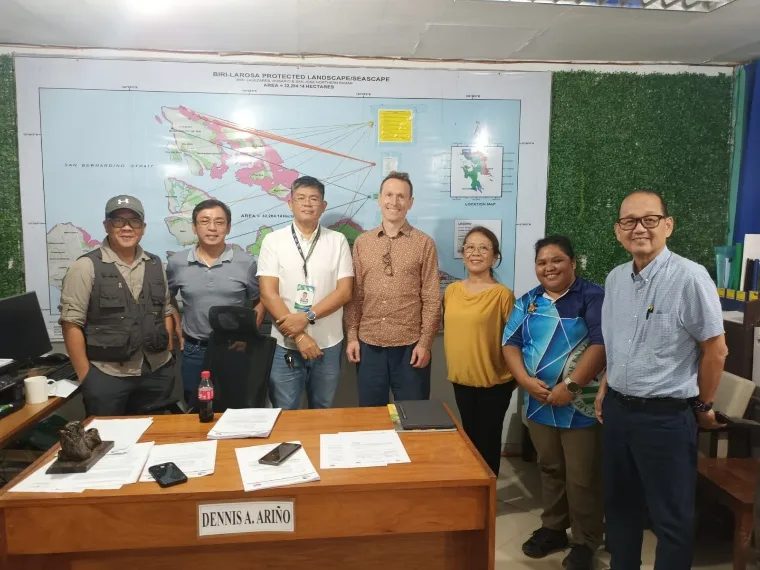
- Developing workplans with local government unit partners
- Mapping potential public funding sources for insurance premiums
- Signing a collaboration agreement between GIZ and the Philippine Crop Insurance Corporation
- Advancing the design of a parametric mangrove insurance product
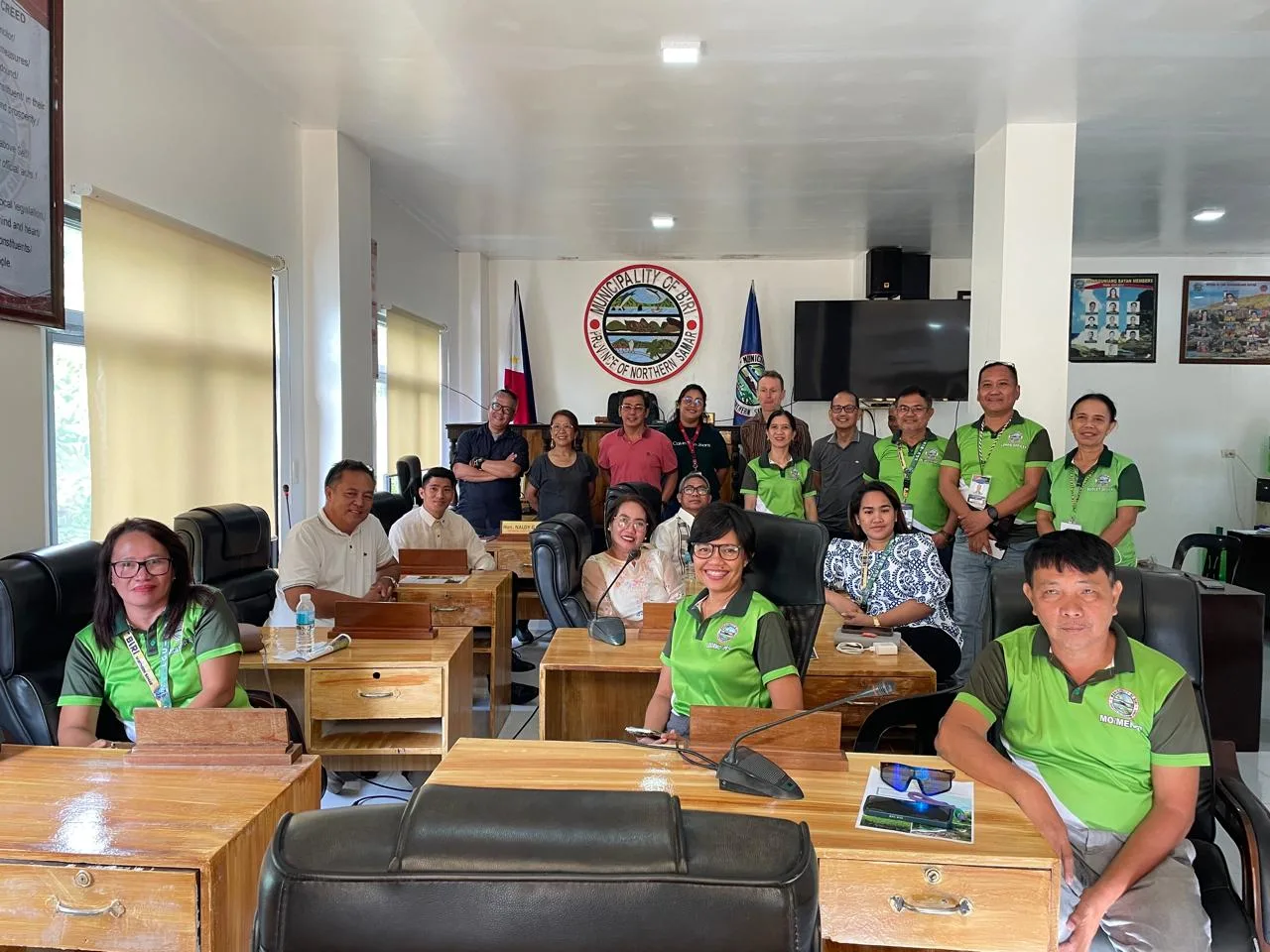
- Holding capacity-building workshops with partner local governments
- Field consultations confirmed strong local interest in quick post-typhoon financing for mangrove rehabilitation, ecosystem clean-up and livelihood continuity. Current work focuses on vulnerability curves, wind speed and storm surge parameters, premium funding guidance and preparation of the insurance prototype for regulatory approval.
Special features
Built on a pre-feasibility study
Prior to this project, we conducted a pre-feasibility study under the project "Cyclone Risk Insurance for Marine Protected Areas in the Philippines – Finance and Insurance for Nature-based Solutions" (February – September 2024). The study helped lay the groundwork for the current mangrove insurance work.
In the media
The partnership ceremony with the Philippine Crop Insurance Corporation received national and international media attention, highlighting the planned pilot for mangrove insurance in Northern Samar and Southern Leyte.
Impressions