Flagship project
Locally-led adaptation for green roads in Bangladesh
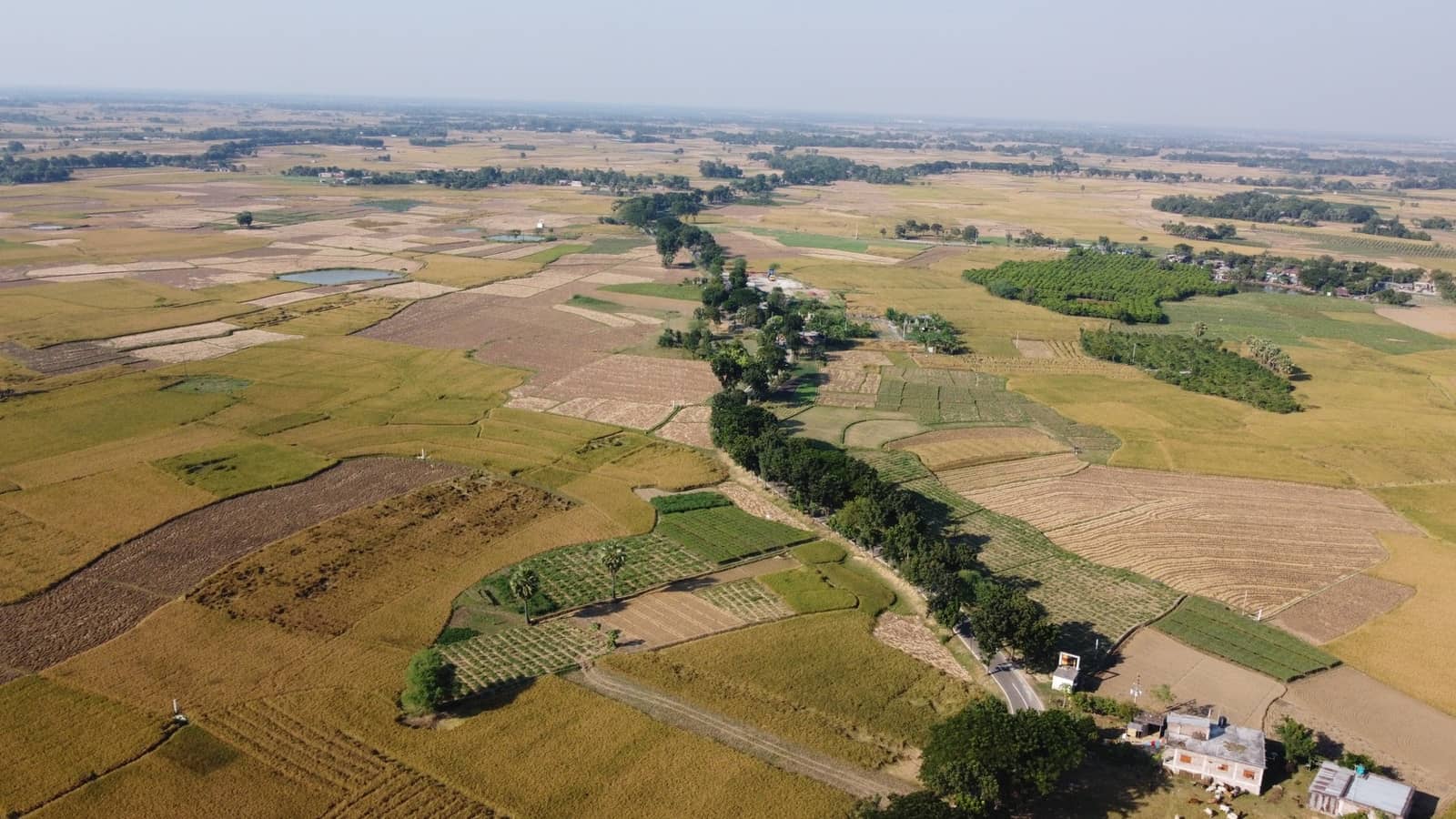
Developed and piloted a locally-led adaptation planning model integrating local perspectives – especially from women – into climate-resilient rural road planning through Women's Adaptation Labs and Green Roads for Water approaches in Bangladesh.
The challenge
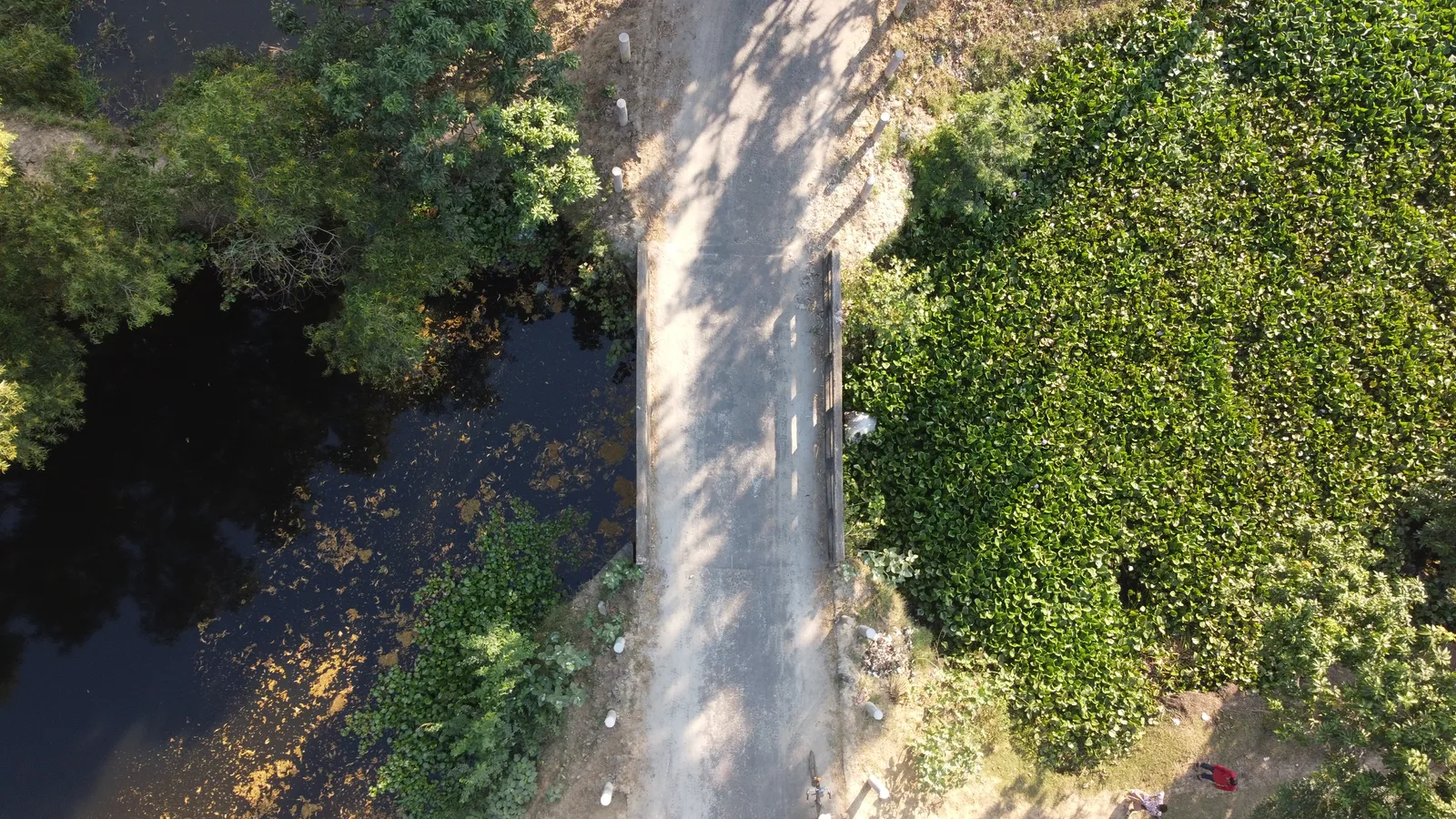
Rural roads are essential to daily life in Bangladesh, connecting communities to markets, schools, and health services. However, when these roads are not thoughtfully designed, they can disrupt natural water flows, contribute to flooding and erosion, and ultimately put local livelihoods at risk. The project reimagined rural roads as climate-smart infrastructure, incorporating water management, slope stabilization, and tree planting to transform road-related risks into opportunities. At the same time, the LLA approach placed women's groups from communities along two rural roads in Mohanpur and Godagari at the heart of the planning process, ensuring that adaptation strategies were shaped by local knowledge and priorities.
Our goal
The project aimed to develop and pilot a locally-led adaptation model that strengthens climate resilience of rural roads by integrating the knowledge and priorities of local communities, particularly women. It sought to inform rural transport planning through Women's Adaptation Plans, promote Green Roads for Water approaches, improve water management opportunities, and establish a methodology that can be scaled within Bangladesh's road and transport sector.
Our approach
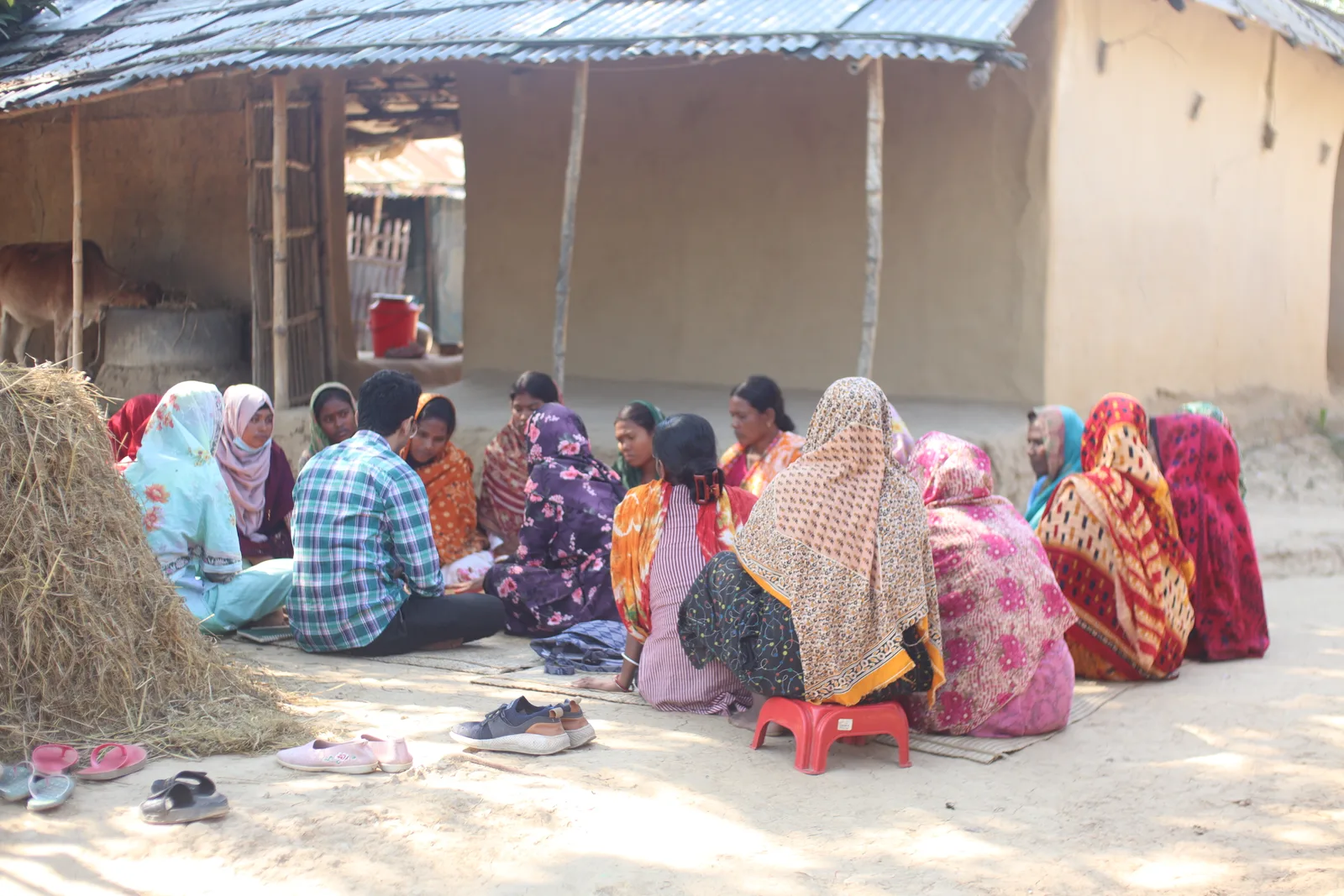
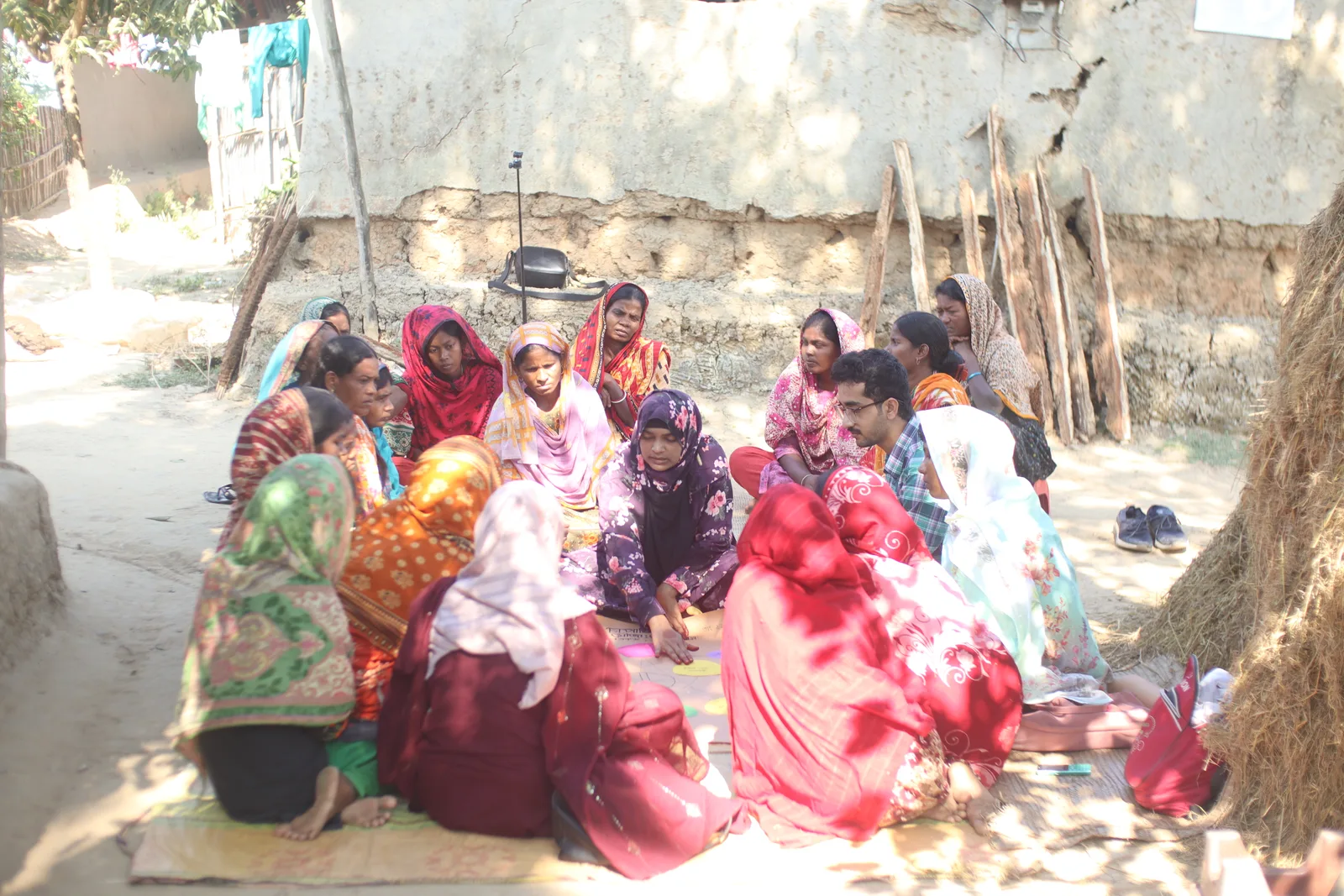
The project combined locally-led adaptation principles with climate-smart rural infrastructure planning. Women's groups living along selected road sections in Rajshahi were engaged to identify climate vulnerabilities, assess risks, and develop adaptation plans through Women's Adaptation Labs. These groups collaborated with technical experts and local stakeholders to explore solutions related to road design, water management, and operation and maintenance. The project applied Green Roads for Water approaches, integrating measures such as improved drainage, water harvesting, and runoff management to enhance flood resilience and support agricultural water availability. The process resulted in costed Women's Adaptation Plans, community-led maintenance strategies, and a methodology manual to support replication of the approach.
Impact in numbers
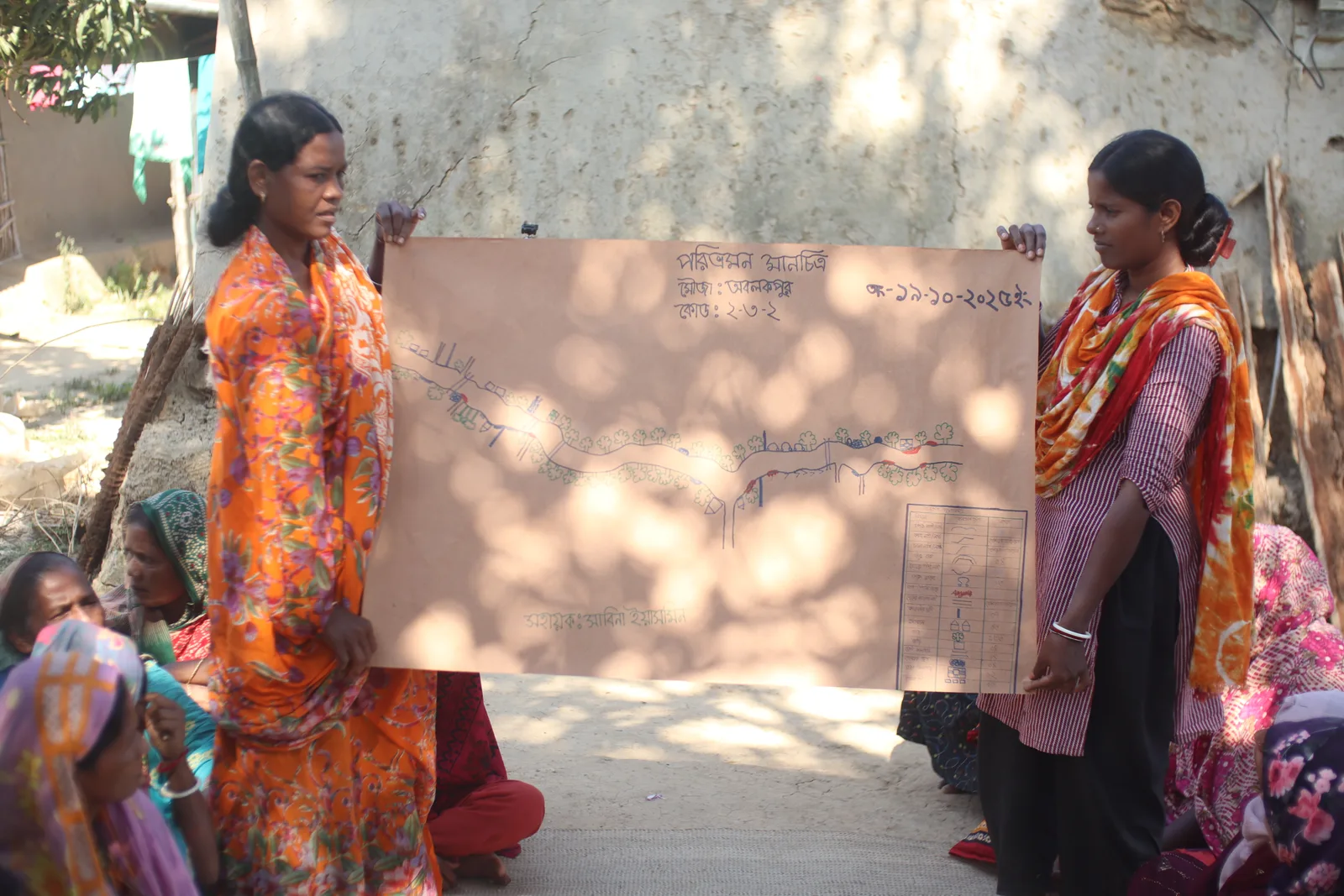
The project empowered local women to co-design climate-resilient rural road solutions in Mohanpur and Godagari upazilas. Guided by the trained mobilizers, the 15 women's groups participated in a structured, iterative process including transect walks, social and resource mapping, profiling, and stakeholder mapping. This participatory approach helped identify local priorities and develop actionable plans. In each upazila, an advisory committee of local stakeholders provided ongoing guidance and feedback on the process and outcomes.
Key highlights
- The project successfully piloted an innovative approach that combines locally-led adaptation, gender inclusion, and green roads in Bangladesh. Women's groups from communities surrounding two selected rural road stretches in Rajshahi were trained to conduct climate risk and vulnerability assessments and identify adaptation priorities based on their lived experiences.
- Through Women's Adaptation Labs, communities engaged with technical experts and local stakeholders to co-develop solutions that improve road resilience, water management, and livelihood opportunities. The project applied Green Roads for Water principles, demonstrating how rural roads can be designed to capture, store, and redirect water through interventions such as channels, culverts, ponds, and improved roadside management.
- A key output was the development of Women's Adaptation Plans for the Mohanpur and Godagari roads, outlining prioritized, costed adaptation measures and community-led operation and maintenance strategies. The project also documented lessons learned and developed the Manual for Upscaling Women's Adaptation Labs for Green Roads for Water, providing guidance for replication in other locations. Capacity strengthening and several engagements with key stakeholders including the Local Government Engineering Department supported pathways for wider uptake.
Voices from the field
The strongest foundation of any infrastructure is not concrete – but the awareness of the community that uses it.
Road and infrastructure are not just government works – they are our communal assets.
If drainage systems and excavation structures were provided to retain water, we could store it, and use it when needed.
This approach can benefit road departments in many countries with similar problems.
Special features
In the media
As part of the ADB Green Roads Webinar Series, we delivered a webinar on this project, which includes reflections from World Bank and LGED (Local Government Engineering Department).
Videos from the field
Impressions