Flagship project
Expanding Child-Friendly Primary Education in Assiut and Sohag
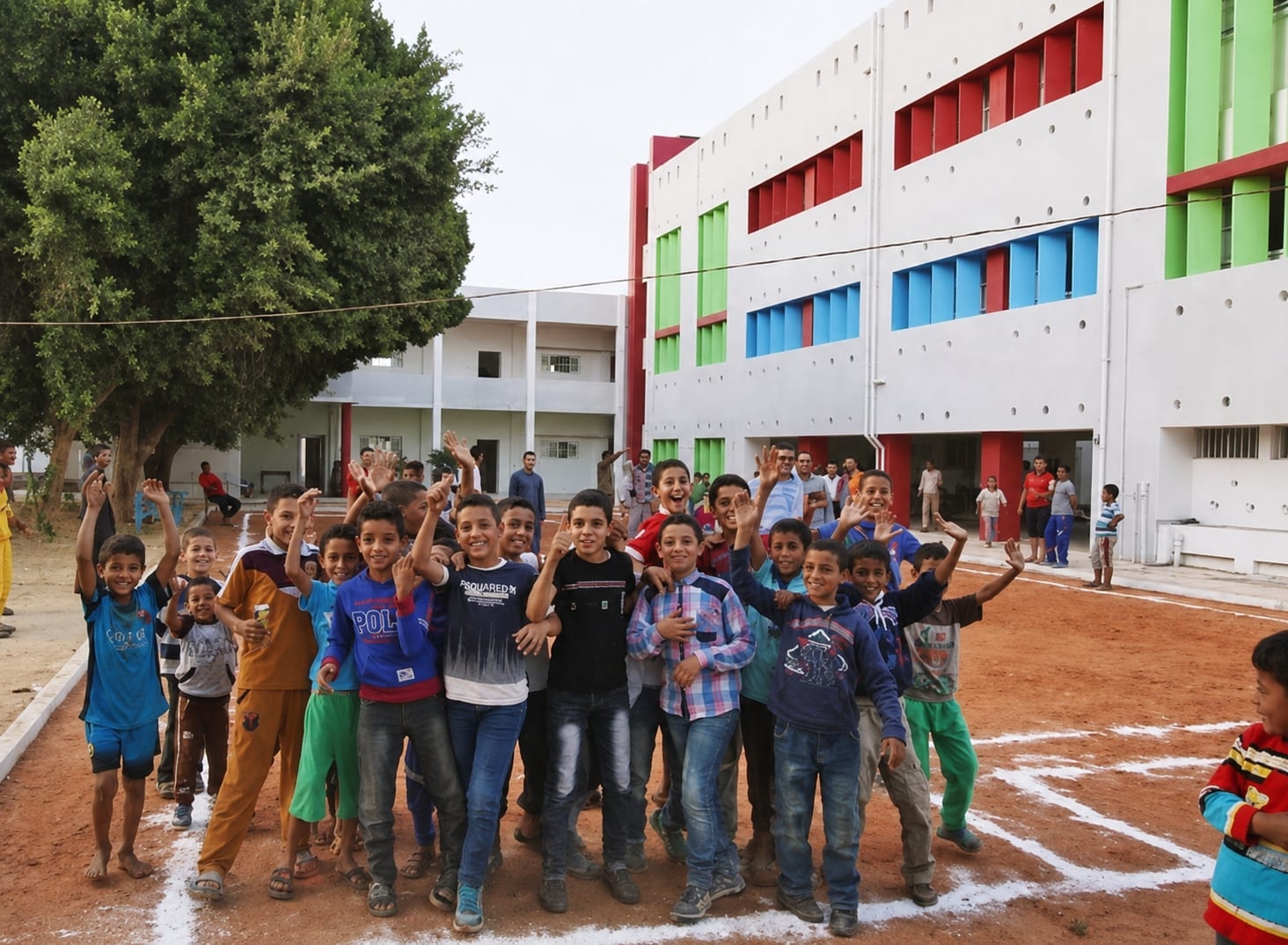
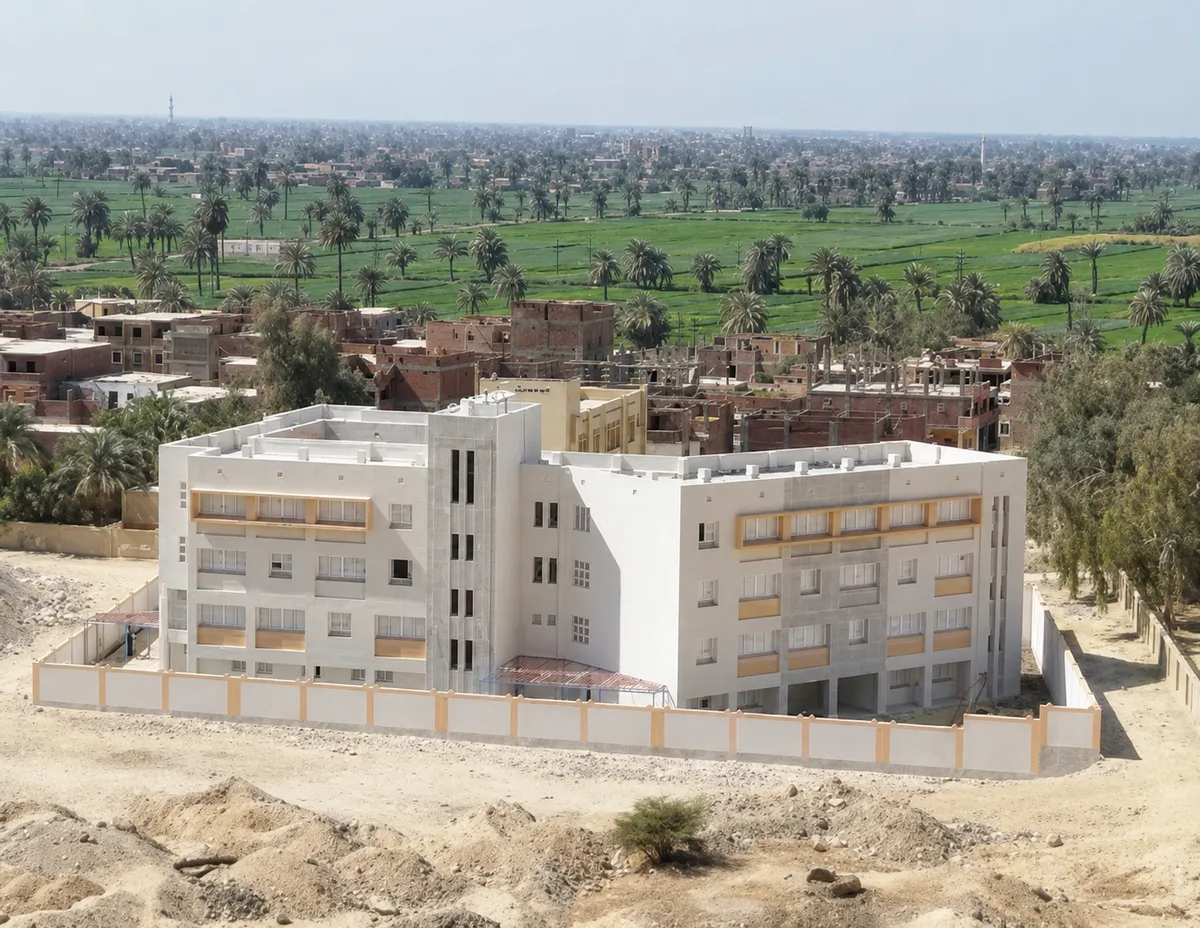
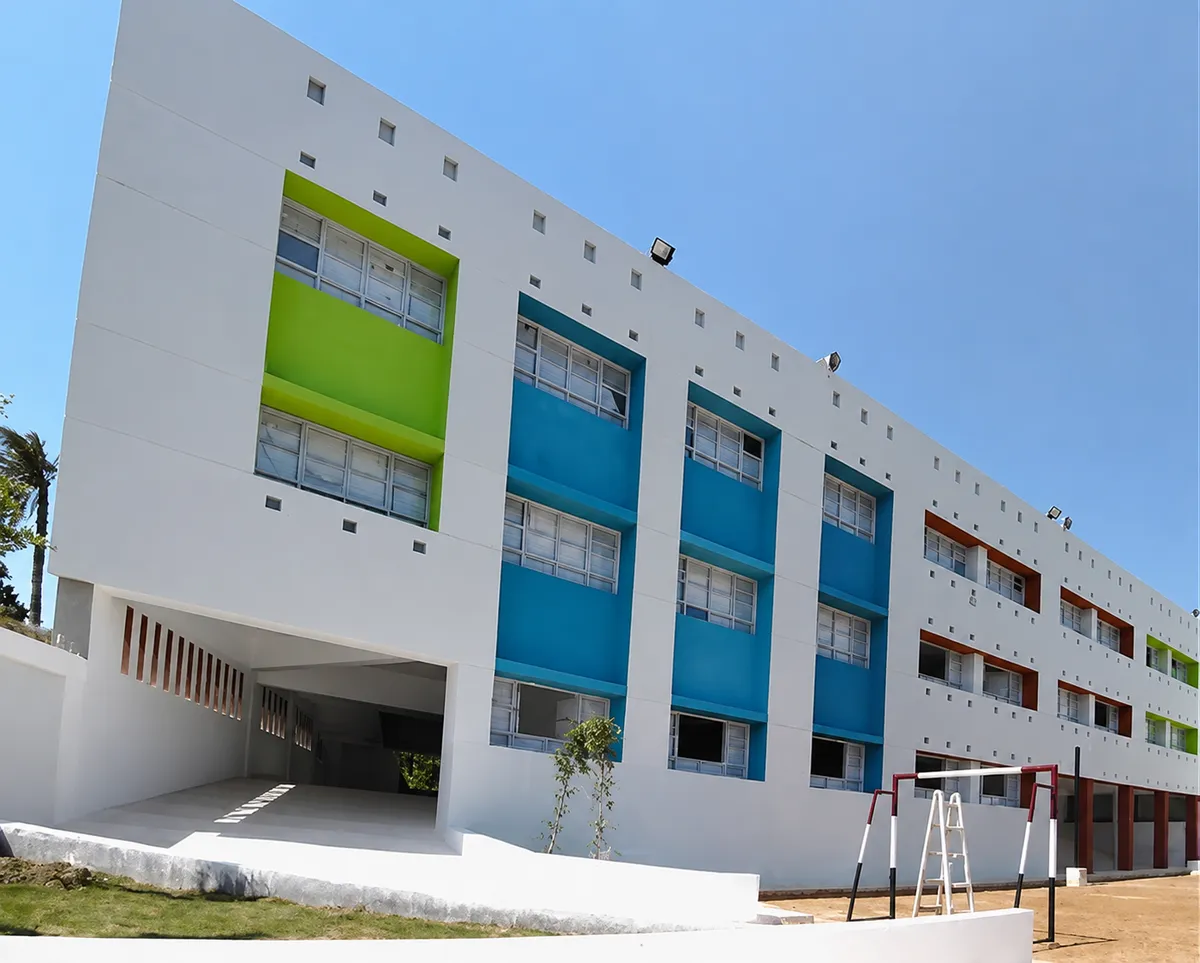
Egypt's QESP combined new classrooms, school rehabilitation and education-quality measures to improve learning conditions for children in Assiut and Sohag.
The challenge
High enrolment pressure and uneven school conditions limited the quality and inclusiveness of primary education in two Upper Egyptian governorates. Additional classroom capacity was urgently needed, but lasting improvement also depended on school leadership, teaching practice, hygiene, maintenance and support for children with different learning needs.
Our goal
QESP sought to create child-friendly and inclusive schools while expanding access to suitable learning space. By joining infrastructure with decentralised education-quality measures, the programme aimed to improve daily learning for pupils and strengthen the ability of school communities to manage their institutions.
Our approach
New and existing classrooms were planned with ergonomic furniture and attention to the needs of pupils. Construction and rehabilitation were accompanied by training in leadership, teaching and learning, sanitation and hygiene, gender responsiveness and support for slower learners. Decentralised maintenance arrangements helped schools and local actors take responsibility for completed facilities.
Impact in numbers
Tens of thousands of children gained access to new or improved classroom capacity, with furniture and school environments designed around everyday learning. Teachers and leaders could strengthen how schools respond to inclusion, hygiene and different learning speeds. Local maintenance responsibility also helps preserve the quality of facilities for future cohorts instead of allowing gains to erode after completion.
Key highlights
- The programme provided 956 new classrooms with capacity for 38,240 pupils and rehabilitated 432 classrooms serving a further 17,280.
- Its broader scope covered 70 primary schools and 40 other schools.
- Physical investment was reinforced by management, pedagogy, inclusion, hygiene and maintenance measures rather than standing alone.
Success story
A new classroom solves an immediate space problem, but a child-friendly school asks a larger question: what does every pupil need in order to learn? QESP answered at both scales. It created substantial classroom capacity in Assiut and Sohag, improved existing rooms and supplied furniture suited to learners. At the same time, it worked with leadership, teaching practice, sanitation, gender and support for slower learners. This means the programme's value can be felt not only in the number of places available, but in the experience inside each room. When local communities also take part in maintenance, the investment has a better chance of remaining safe, welcoming and useful for children year after year.
Impressions