
Flagship project
Supporting Community Infrastructure across Six Northern Afghan Provinces
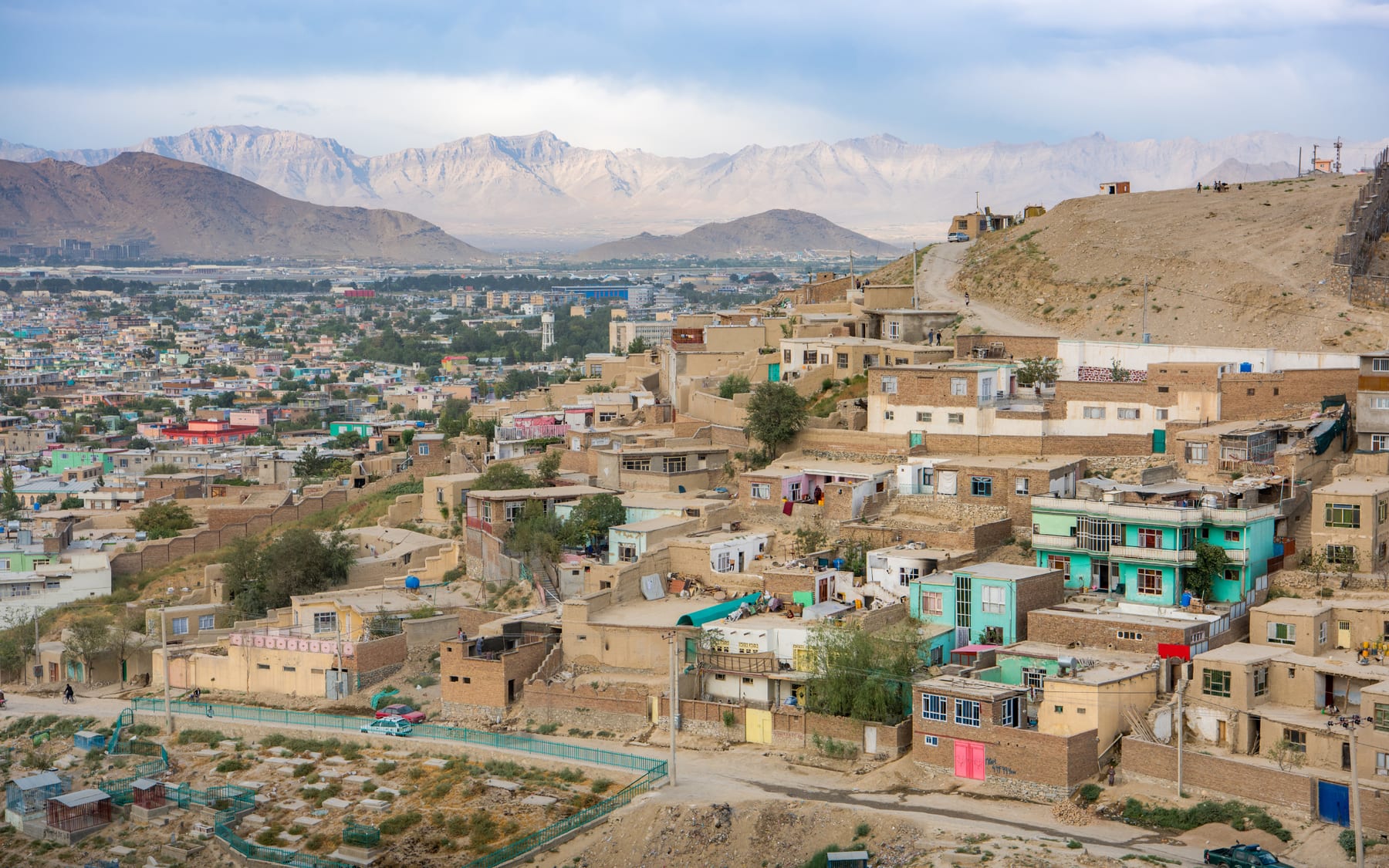
RIDF III supported community-prioritised infrastructure in six northern Afghan provinces through local capacity building, conflict sensitivity and remote implementation oversight.
The challenge
Communities needed energy, water, roads, irrigation and schools, yet insecurity limited access and made conventional supervision unreliable. Projects also had to be chosen fairly across provinces, designed for local conditions and implemented without worsening conflict or excluding groups from the benefits.
Our goal
RIDF III aimed to improve social and economic infrastructure in Badakhshan, Baghlan, Balkh, Kunduz, Takhar and Samangan. It sought to turn locally identified priorities into durable investments while strengthening the institutions and technical teams responsible for managing them.
Our approach
Local criteria guided project identification before full-cycle support covered appraisal, design, procurement, construction and handover. On-the-job training built capability, and do-no-harm principles informed selection and delivery. Remote Management, Monitoring and Verification enabled progress and quality to be checked when security conditions prevented regular site access.
Impact in numbers
Communities can gain infrastructure that improves mobility, water access, agriculture, education or energy according to local priorities. Provincial and local teams develop practical project-management experience, while remote verification helps protect public value under insecurity. Conflict-sensitive selection can also strengthen local perceptions of fairness, inclusion and shared benefit across diverse communities.
Key highlights
- The EUR 23.9 million programme covered energy, water and sanitation, roads and bridges, irrigation and flood protection, and schools.
- Individual projects commonly ranged from EUR 0.5 million to EUR 1.5 million.
- Six-province reach was maintained through local structures and a dedicated remote-verification method.
Success story
A bridge, irrigation scheme or school can be transformative, but only if it reflects local need and can be completed despite an unstable environment. RIDF III worked through that challenge across six northern provinces. Local criteria shaped project selection, technical teams developed the designs and on-the-job training built capacity around the entire investment cycle. When travel became unsafe, Remote Management, Monitoring and Verification provided an alternative view of progress and quality. Do-no-harm principles helped examine who might benefit or be excluded. This combination allowed varied infrastructure to be pursued without ignoring the conflict context. The lasting success is both the asset delivered and the local capability to plan, supervise and sustain future investments with greater confidence.