
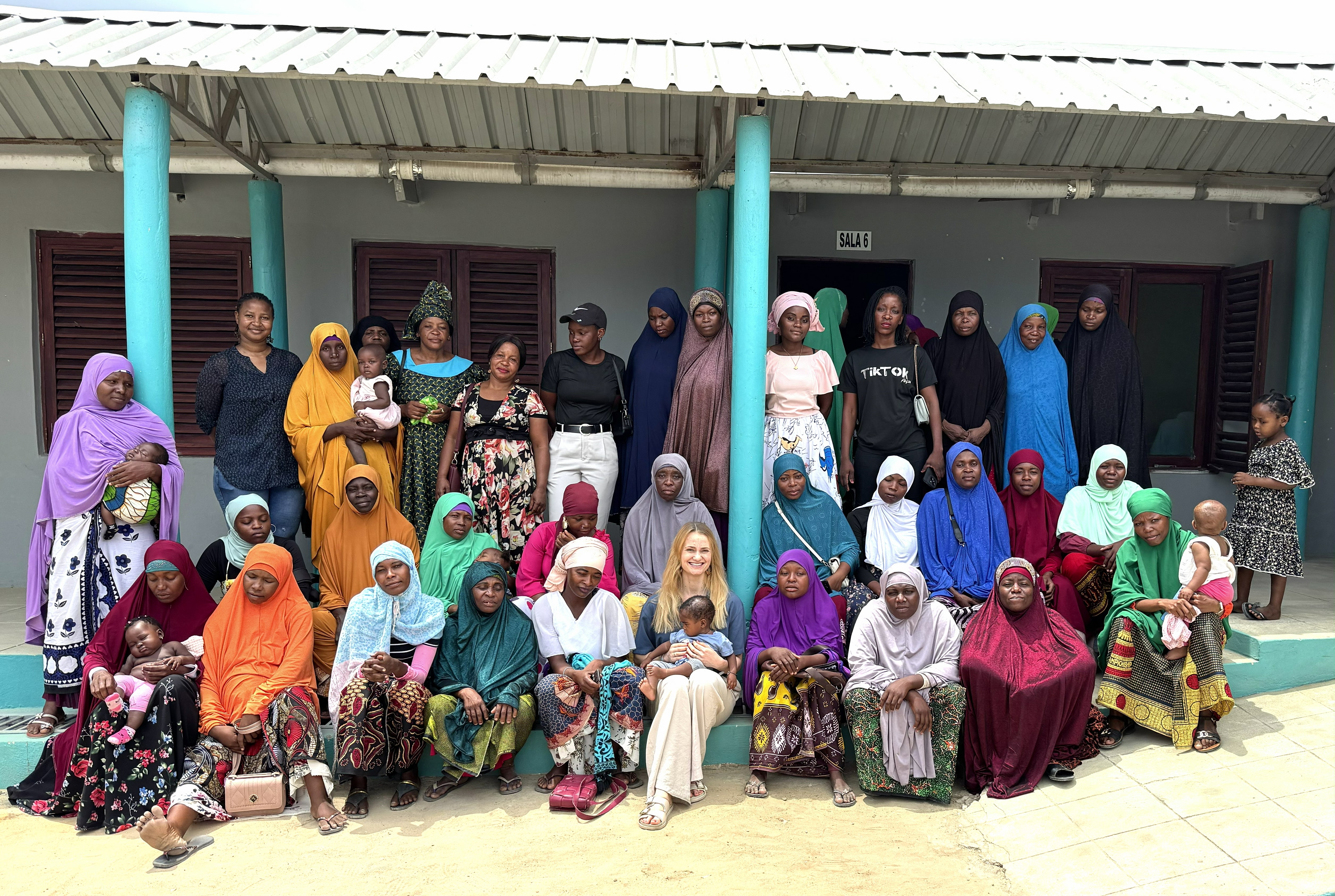
Across Sub-Saharan Africa, gender gaps have narrowed in many areas. Yet women still face greater obstacles than men when it comes to managing and growing businesses — especially in rural areas.
Mozambique performs relatively well in regional comparison, ranking 53rd globally on the Global Gender Gap Index and 9th among Sub-Saharan African countries. However, its overall score declined between 2024 and 2025, showing that progress cannot be taken for granted.[1]
For GOPA, these figures are a reminder that training programmes must reflect the different realities of women and men entrepreneurs. Gender-responsive training is not just about increasing the number of women participants. It means making sure women can access training, follow the content, contribute actively, and apply what they learn.
Based on our experience in Mozambique, this requires attention to three areas: relevant content, inclusive interaction, and a supportive learning environment.
Practical content for real business needs
Training is most effective when it addresses the challenges entrepreneurs face in daily business life.
Under the World Bank-financed project “Delivery of Digital Skills, Financial Services, Technical and Sector-Specific Trainings”, GOPA worked with entrepreneurs who often manage businesses with limited time, resources, and different levels of education.
During feedback sessions, many women highlighted financial planning as a major challenge: calculating profit and loss, budgeting for savings, deciding when to invest, and separating business and household money.
Some participants shared that their businesses had stopped when essential equipment broke and they had no savings to replace it. This underlined the importance of practical, accessible financial management training, paced carefully and supported by clear examples. In rural areas, using local languages can further reduce learning barriers.
Creating space for participation
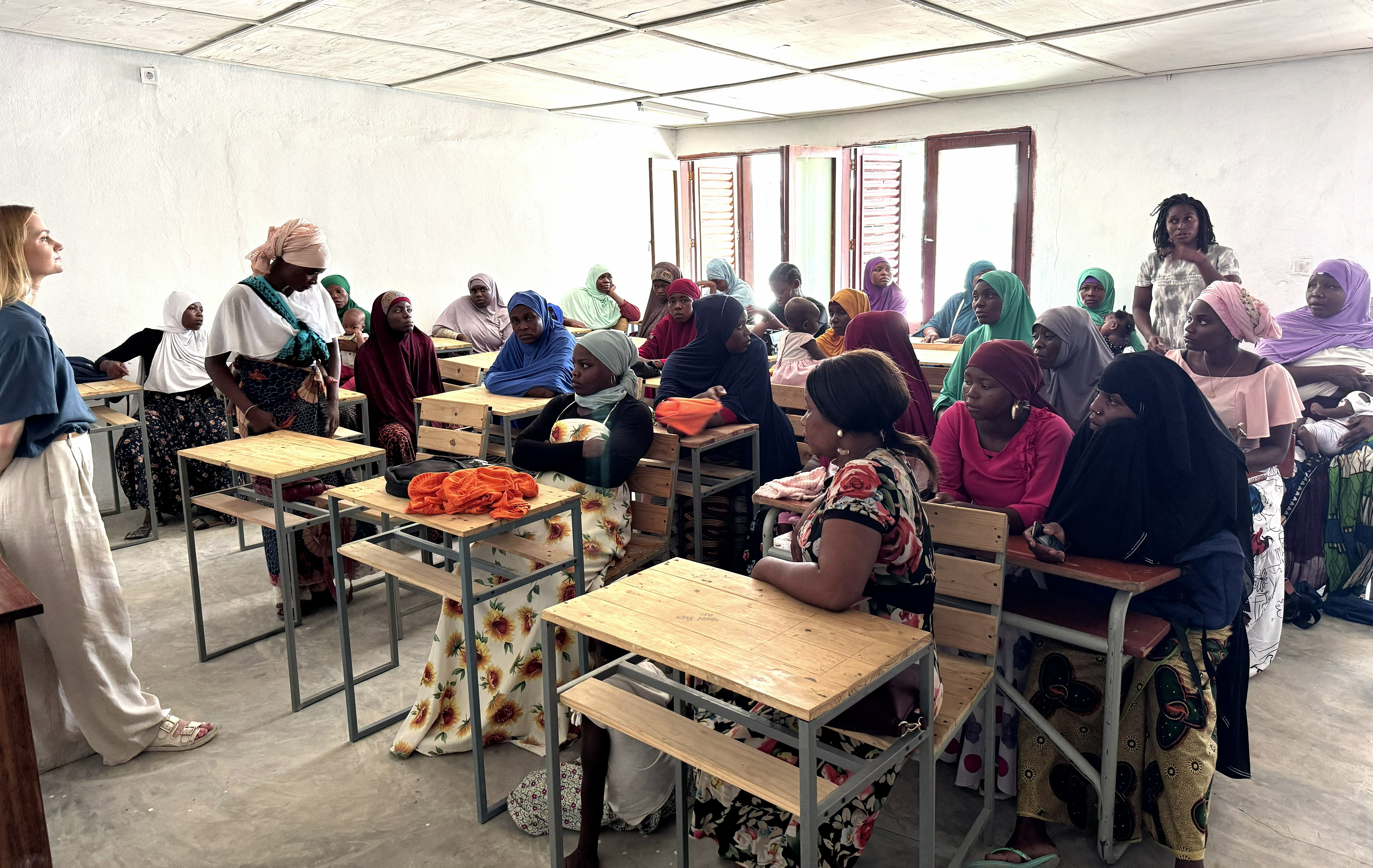
Good training depends on active participation. In mixed groups, men may speak more often, while women may hesitate to ask questions or share experiences.
Trainers can help by using small group work, structured discussions, or women-only breakout groups where useful. Communication also matters: training examples should make both women and men visible, reflect their different experiences, and avoid stereotypes. The UNDP’s 10 principles of gender-responsive communication provide a useful practical guide for doing this.
Real-life success stories from women entrepreneurs can be especially motivating, helping participants see what is possible and encouraging them to apply new skills in their own businesses.
Removing practical barriers
For many women entrepreneurs, joining training depends on time, transport, childcare, and household responsibilities.
GOPA’s experience shows that half-day sessions often work best for micro and small business owners. Offering both morning and afternoon options adds flexibility.
In Mozambique, women with babies were encouraged to bring a caregiver. Participants said this support, together with transport subsidies paid via mobile money, helped them attend and complete the training.
At the same time, such support must be carefully planned. In one location, the number of caregivers increased quickly, creating challenges around space, food, supervision, and costs. The lesson: measures that support women’s participation are valuable, but they need to be built into project design and budgets from the start.
Digital tools and follow-up support
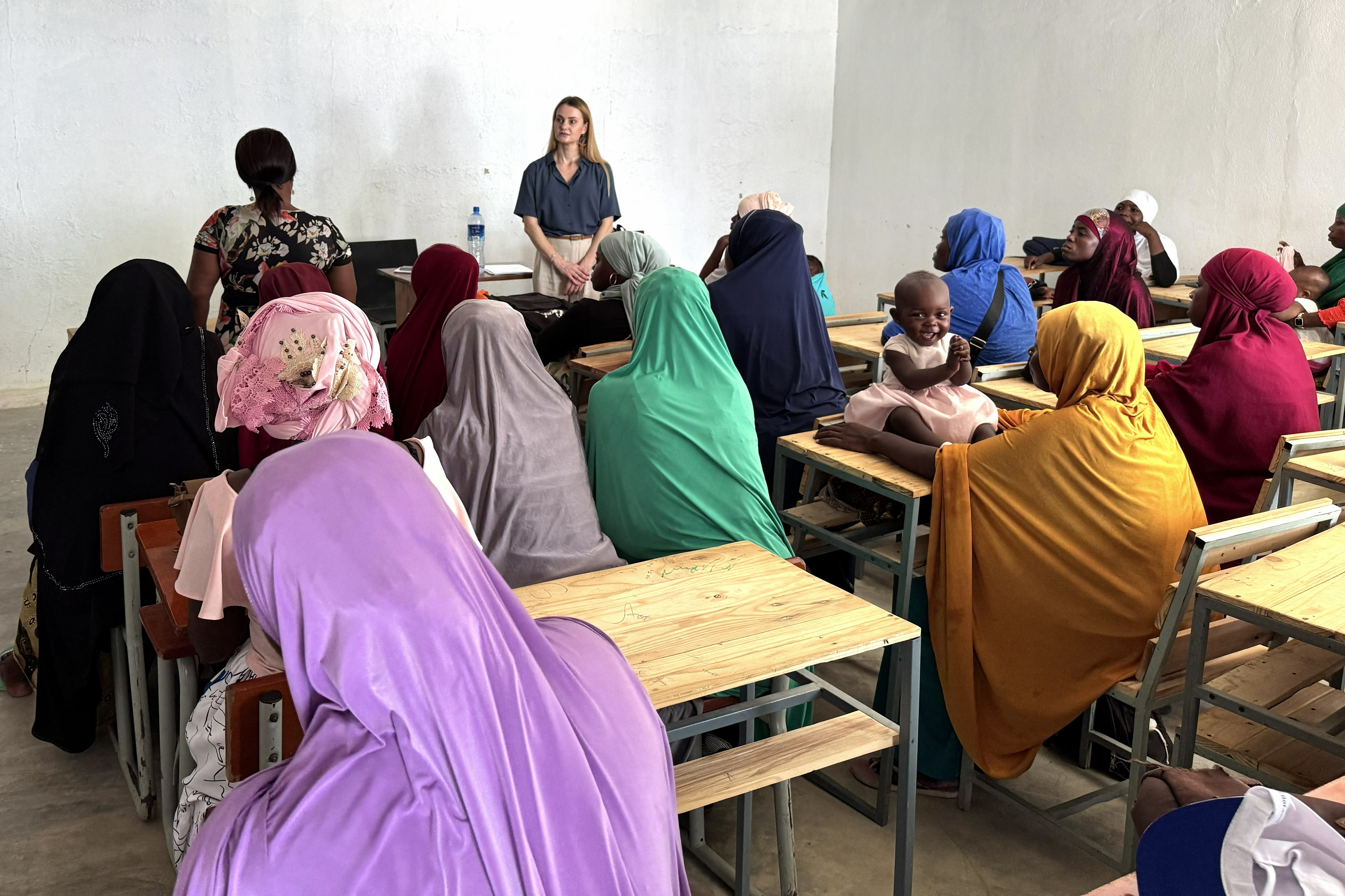
Digital tools such as WhatsApp can help share materials and updates, but they may also exclude participants with limited access to smartphones or internet — often women. Digital solutions therefore need to be used carefully and combined with alternatives.
Many participants also asked for mentoring, refresher sessions, and guidance on financing options after the training. This shows that training is most effective when it is part of a longer support journey.
A core element of quality training
Gender-responsive training is not an add-on. It is a core element of effective training design.
When training considers language, learning pace, childcare, transport, digital access, participation, and real business needs, it becomes more inclusive and more impactful.
For GOPA, the lesson is clear: if projects are expected to be gender-responsive, this must be reflected from the start in project design, budgets, trainer preparation, and monitoring. Only then can training truly support women entrepreneurs to grow their businesses and contribute to more inclusive economic development.
For further information, please contact: Oliver.Schmidt@gopa.eu
[1] Source: https://www.weforum.org/publications/global-gender-gap-report-2025/in-full/benchmarking-gender-gaps-2025/