
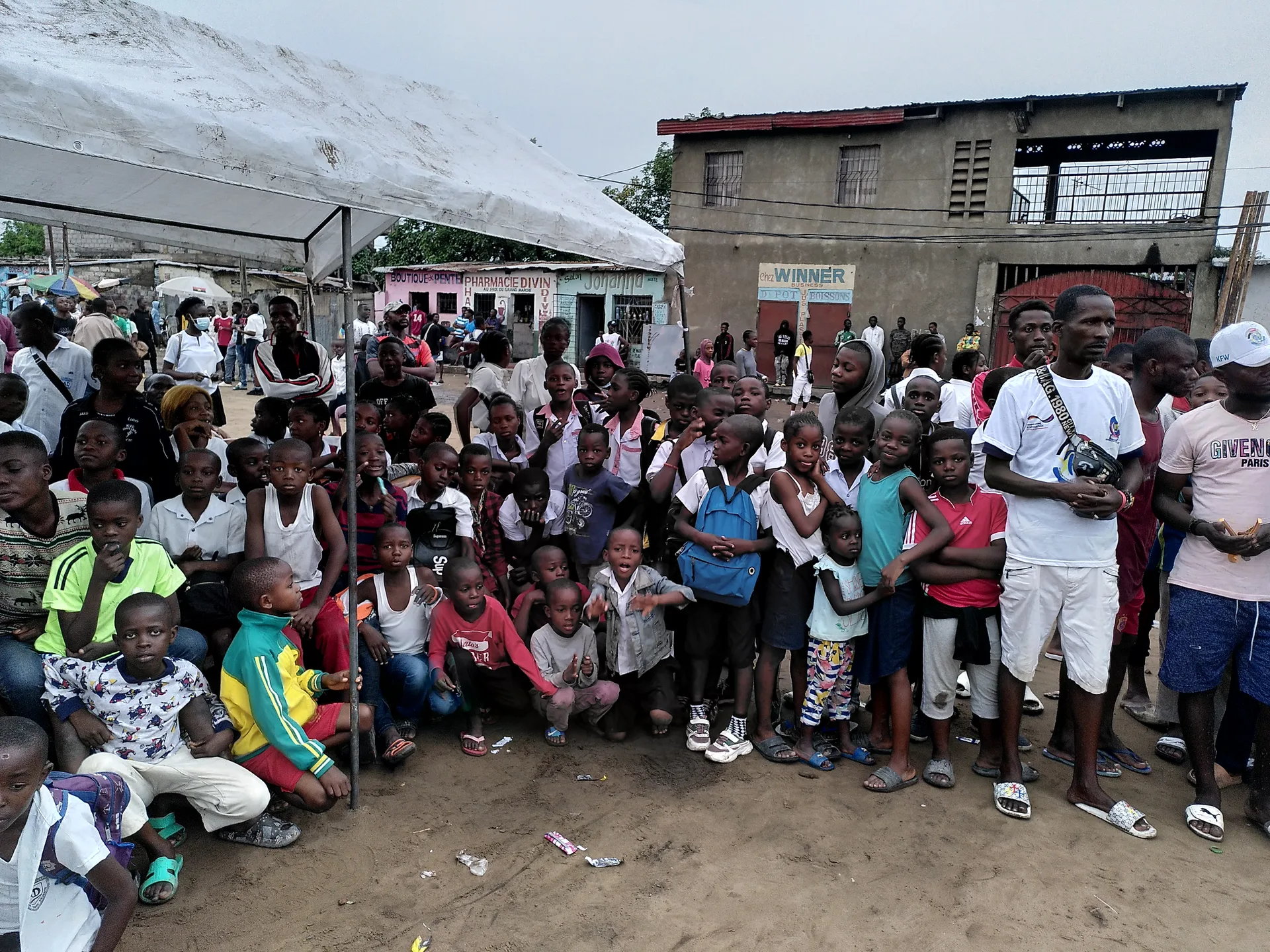
PVJ responds to challenges linked to youth violence, limited access to training and employment opportunities, and the lack of safe and structured environments where young people can learn, meet and participate in community life. To address these challenges, the programme combines youth infrastructure with vocational training, support for youth-led initiatives and measures that strengthen participation, local ownership and social cohesion.
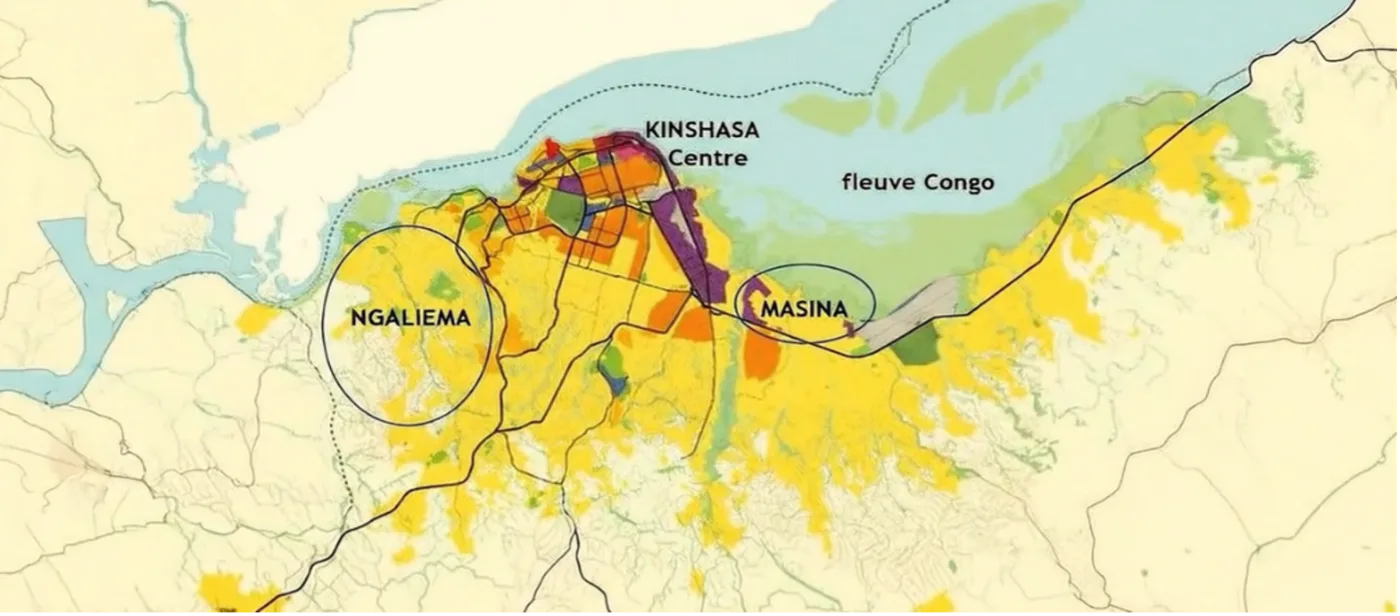 The programme neighbourhoods lie in the municipalities of Ngaliema and Masina, Kinshasa.
Linking Infrastructure, Skills and Participation
One important element of this integrated approach has been the development of four youth centres and three youth meeting points in six neighbourhoods of Kinshasa: Camp Luka, Gulf Manenga and Mama Yemo in the municipality of Ngaliema, as well as Tshuenge, Nzuzi wa Mbombo, and Matadi in the municipality of Masina. These facilities provide a foundation for training, youth engagement and community activities in these neighbourhoods where young people previously had limited access to safe and structured environments for learning and participation.
The centres provide young people with places to learn practical skills, gather safely, participate in organised activities and strengthen their connections with the wider community.
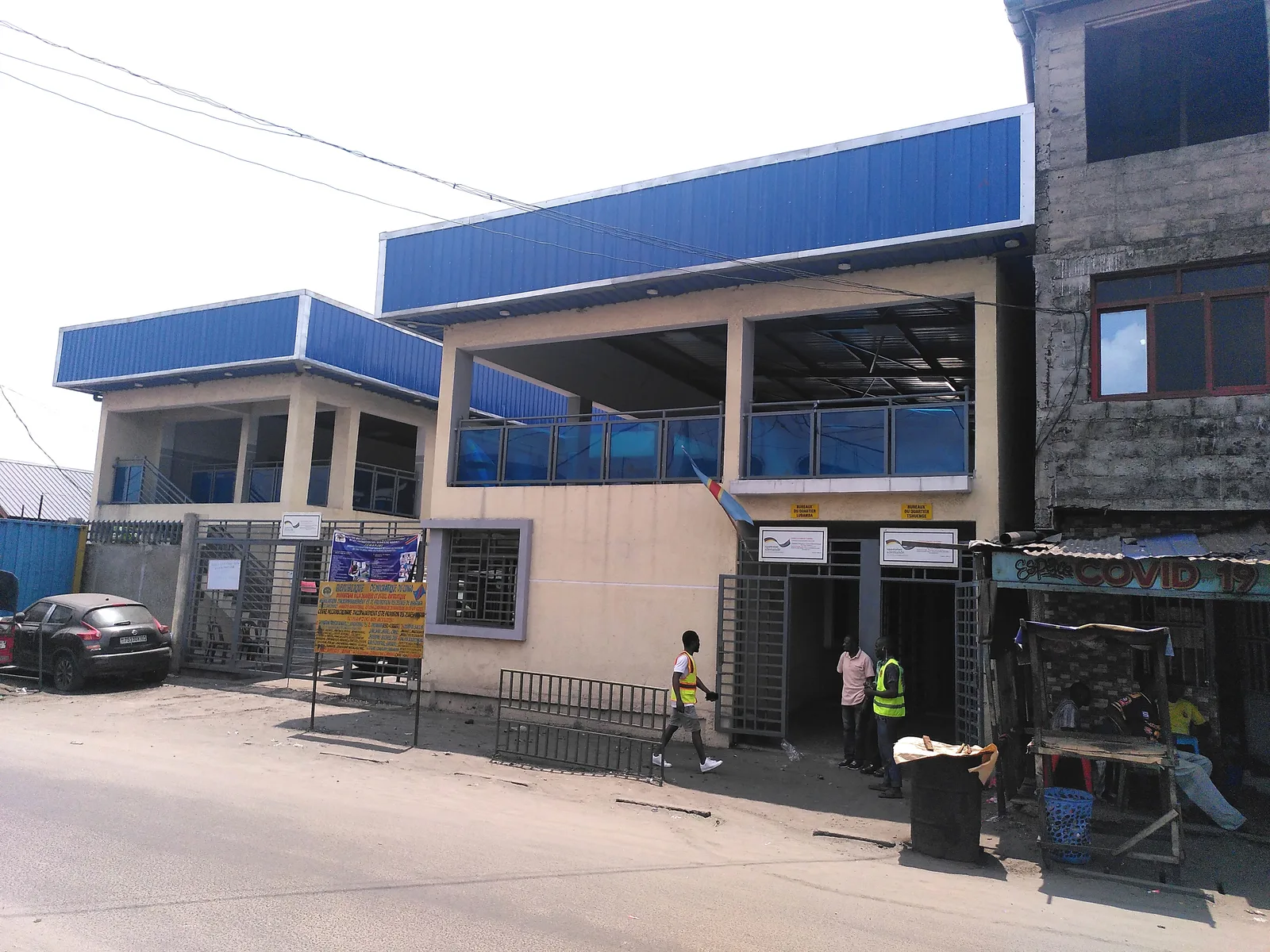 The Tshuenge youth centre in Masina.
This connection is reflected in the first cycles of vocational training supported through PVJ already during the construction period of the new centres. In 2024 and 2025, more than 1,700 young people from Masina and Ngaliema successfully completed vocational training in Congolese institutions, 53 percent of whom were young women. The training covered practical fields including IT, cutting and sewing, painting, tiling, cosmetics, driving, beauty and hairdressing, hospitality, restaurant services, pastry-making and other skills linked to employment and self-reliance.
The new centres give these learning pathways a place to take root. They provide the setting for structured training and socio-cultural engagement in communities where safe, accessible and purpose-built youth facilities had previously been limited.
For one young participant trained in painting, the impact became tangible after the course, when she received her first paid assignment to work on a house. “I was well paid and that left its mark on me,” she said. Her experience provides a small but powerful example of how access to training, combined with the opportunities created through PVJ, can begin to change a young person’s daily life.
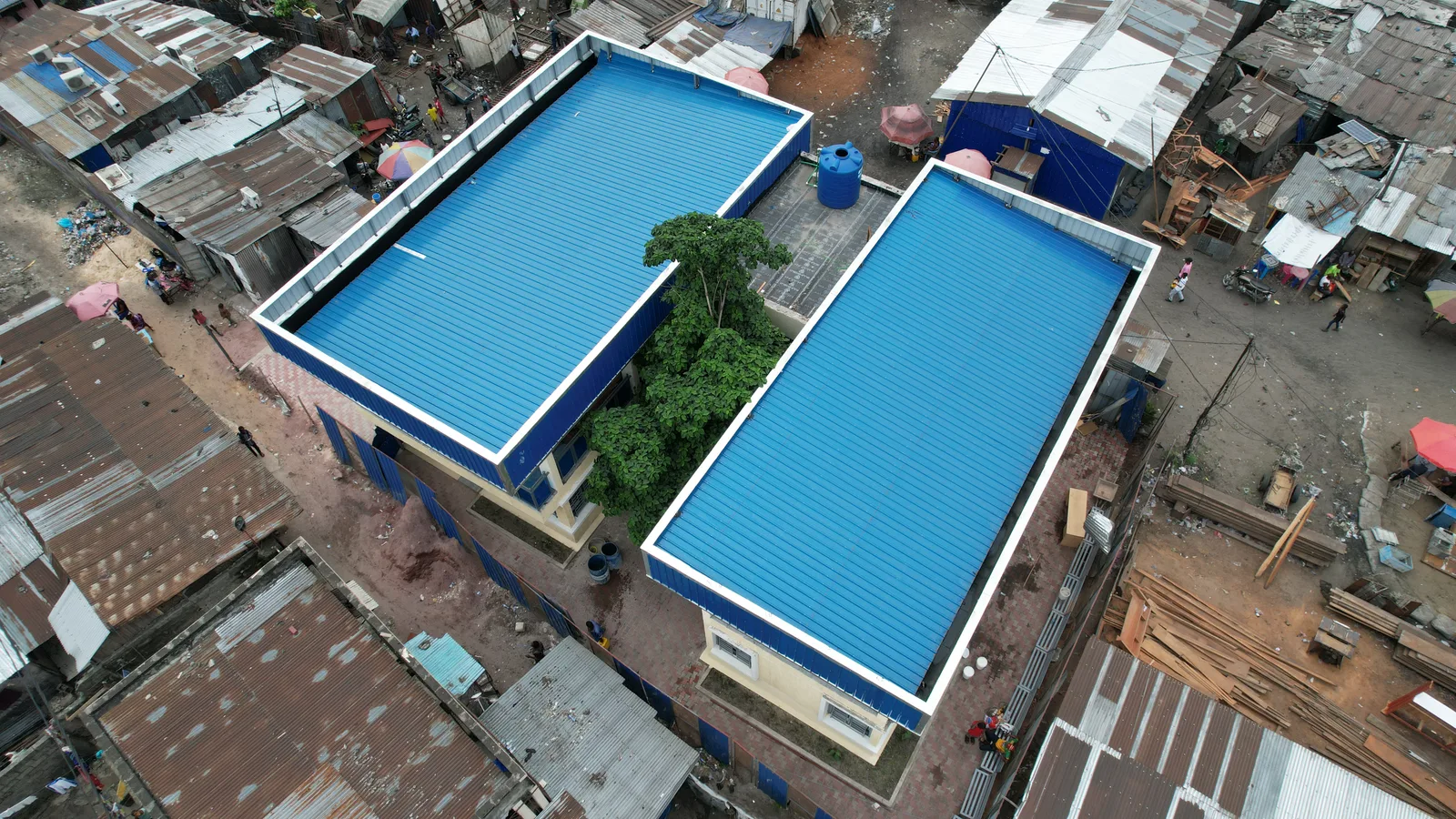 The Nzuzi wa Mbombo youth centre in Masina, built around a preserved tree.
Creating Opportunities Through Participation
PVJ also embeds youth participation in the way activities are implemented. In all targeted neighbourhoods, young people were not only future users of the centres; they were also involved in the building process itself. In Camp Luka, Gulf Manenga, Mama Yemo, Nzuzi wa Mbombo, Tshuenge and Matadi, local youth contributed to construction work as labourers, gaining practical site experience, income and a direct stake in the facilities being created in their neighbourhoods.
In Camp Luka, construction began in August 2023 and advanced through 2024. The project site is now operational, with the Kimia centre, self-managed by the youth organisation, providing dedicated training areas and with an adjoining school building offering classrooms for local students. One young participant tells us that working on the site created an alternative for him to the street and a way to support himself through meaningful work.
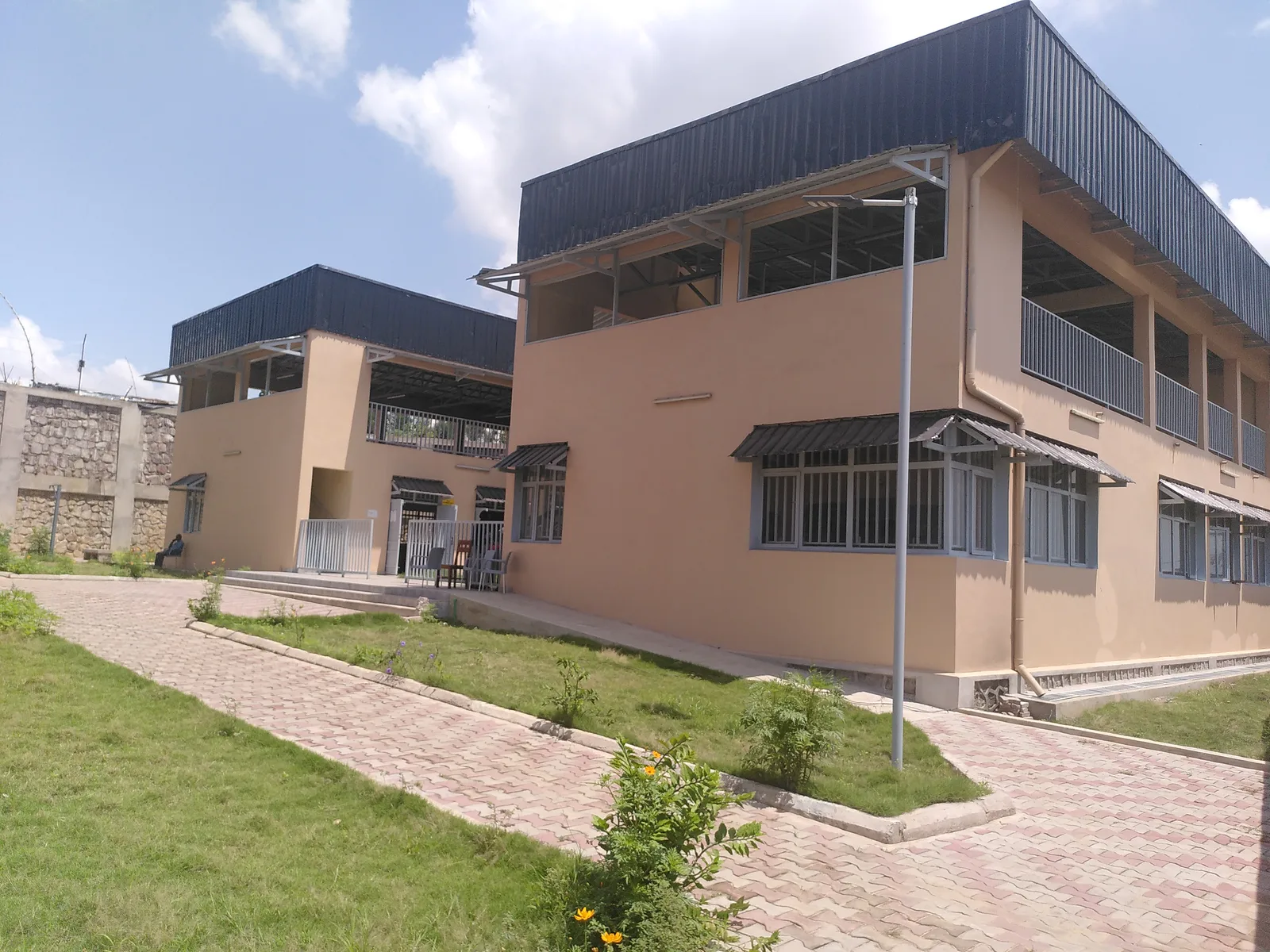 The Kimia youth centre in Camp Luka, Ngaliema.
In the neighbourhood of Matadi, the Saldemi youth meeting point was developed beside a dusty sports field that young people have been defending over years against land grabbing with daily matches and local soccer competitions. The programme improved the surrounding environment through planting trees and street lighting, helping to turn an existing gathering point into a more structured, visible and usable community space.
Strengthening Local Ownership
Local ownership is another aspect of the PVJ approach. The centres are intended to be managed by youth associations themselves, with support from the programme to strengthen the organisational, management and leadership capacities required for their long-term operation. By placing young people at the centre of decision-making and management, the programme seeks to promote sustainability and strengthen local ownership, helping to ensure that the centres continue to meet the needs of their communities.
Through these centres, training activities, youth initiatives and community engagement can take place in a more structured and sustainable way. They also provide youth associations with a platform to organise activities and strengthen their role within the community.
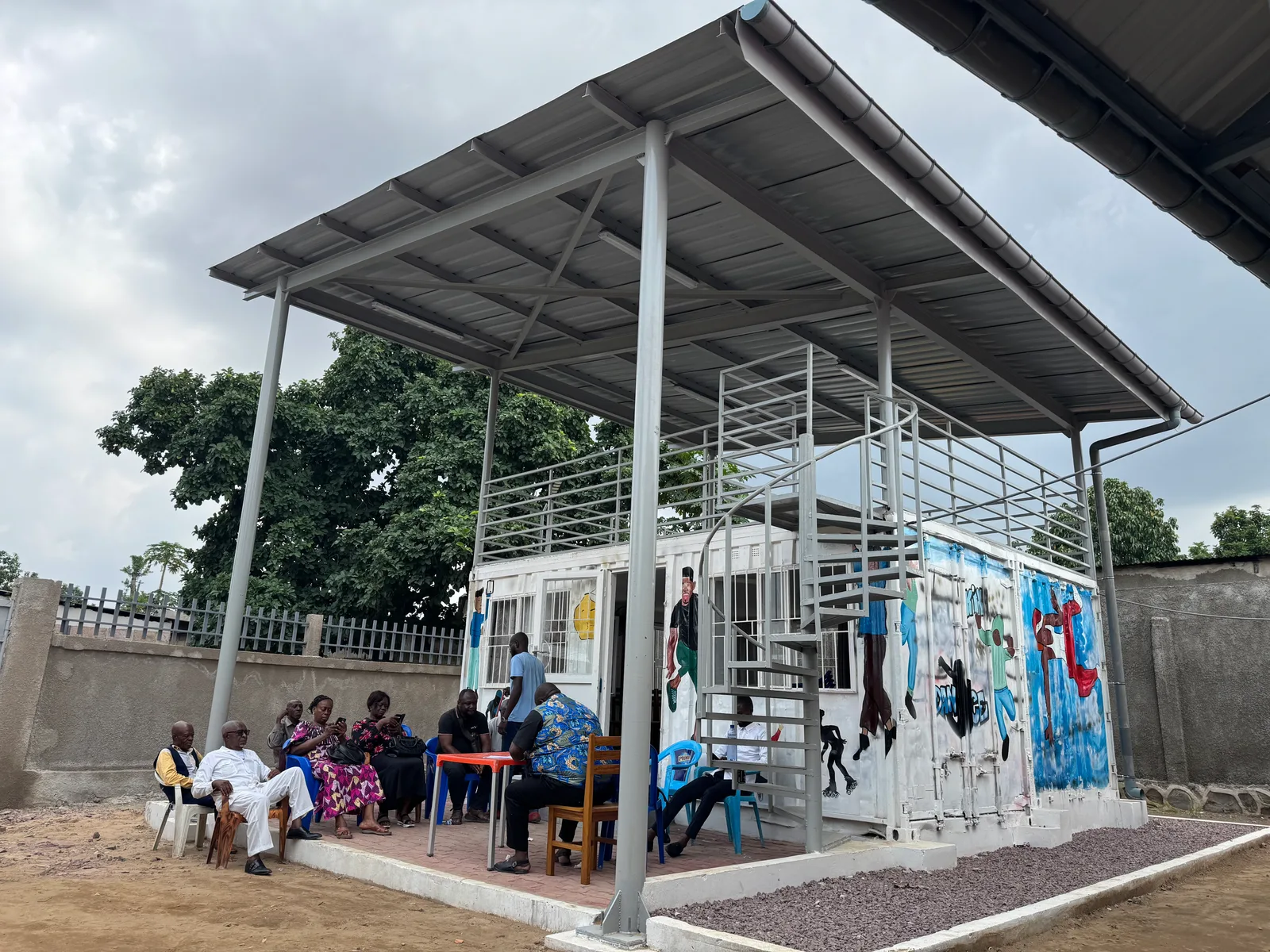 The Mama Yemo youth meeting point in Ngaliema.
A Foundation for Safer Futures
The PVJ programme demonstrates how an integrated approach can help create new opportunities for young people in contexts affected by violence and social exclusion. In Kinshasa, youth infrastructure, vocational training, social support, participation and local ownership have contributed to strengthening vocational and social skills, community engagement and young people’s capacity to shape their futures.
The value of this approach lies in its continuity. A training course, a youth meeting, a film screening, a sports-related activity or a community discussion all require more than intent; they require support structures and opportunities where young people can learn, participate and connect with their communities.
For GOPA Tech, PVJ highlights the importance of combining physical investments with measures that strengthen skills, participation and local ownership. Together, these elements can help foster social cohesion and support more inclusive and resilient communities.