Flagship project
Women Economic Empowerment for Green Transformation in Uganda
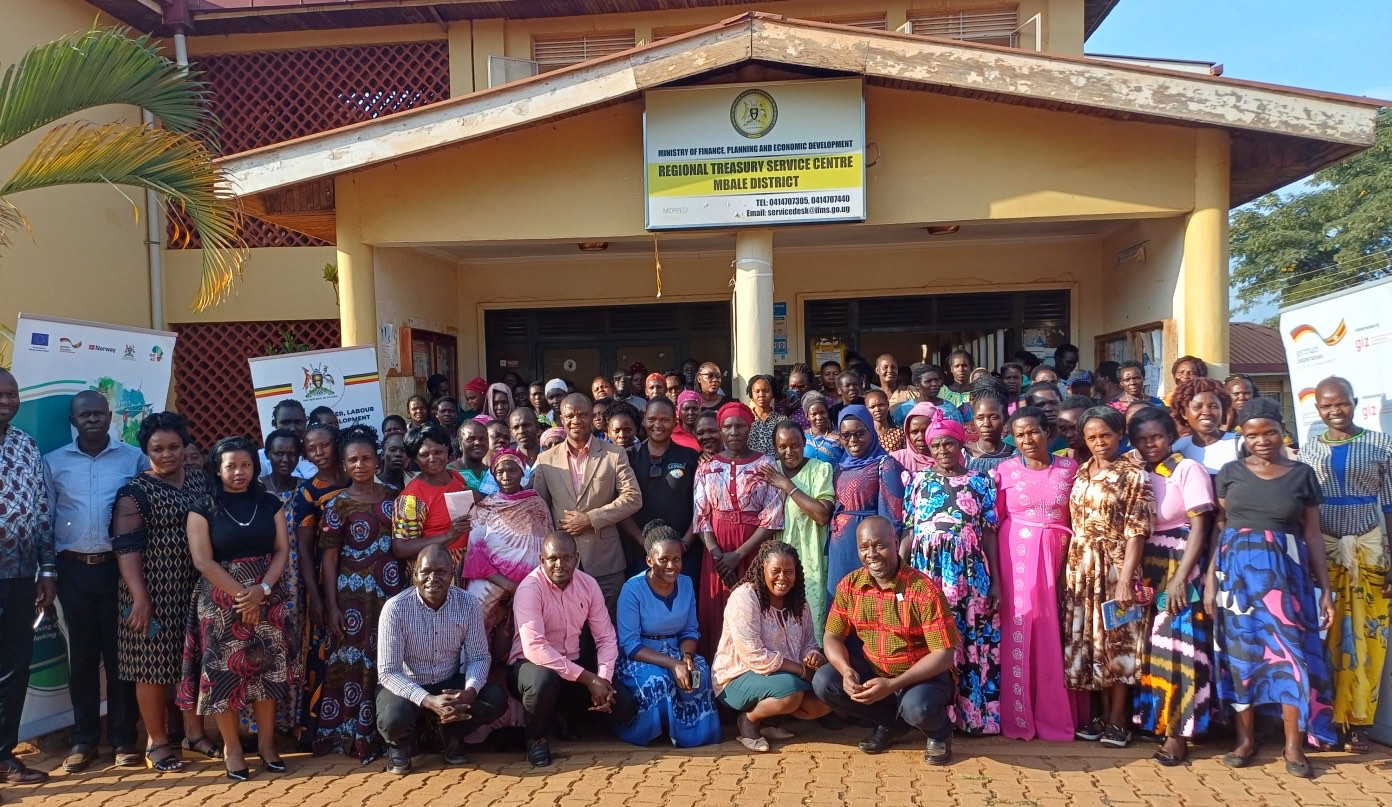
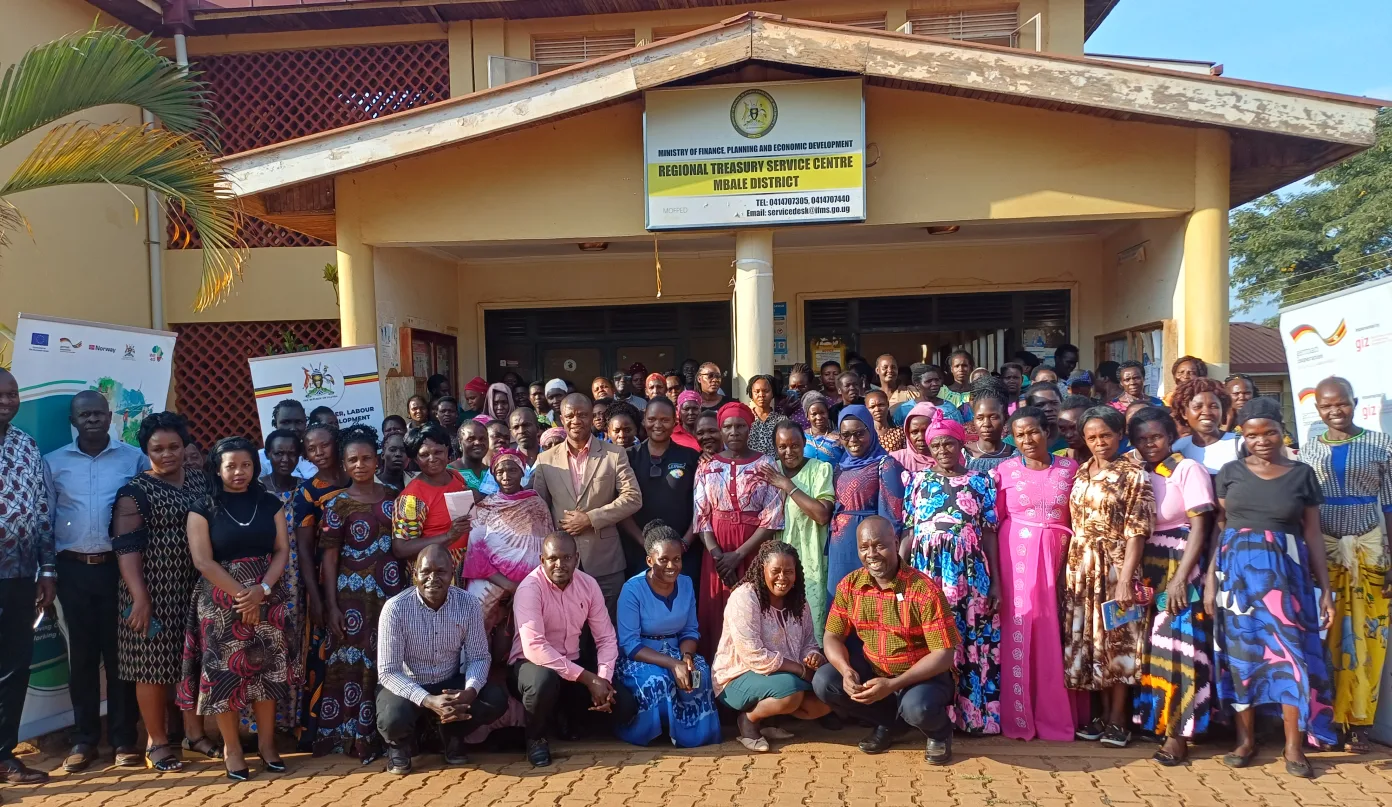
600 women's groups across Uganda have gained business skills, preparing them to register their businesses, certify their products, and access new markets for greater earning opportunities.
The challenge
Women-led enterprises in Uganda, particularly in rural areas, face limited access to business development services, markets, finance, certification, and formal business structures. These constraints reduce their competitiveness, income potential, and ability to create jobs in green sectors. In addition, many women entrepreneurs lack practical business skills, market linkages, and tailored support needed to participate effectively in Uganda's green economic transformation.
Our goal
To strengthen the competitiveness and sustainability of 600 women-led enterprises across Uganda by improving business skills, market access, formalisation, certification, and adoption of green business practices. The project aims to increase employment opportunities, income generation, and gender-responsive working conditions while empowering women entrepreneurs to participate more effectively in emerging green and climate-friendly value chains.
Our approach
The project combines business diagnostics, structured capacity building, coaching, and market-linkage support for women-led enterprises across Uganda. Following baseline assessments, participating groups receive tailored business advisory services, practical trainings, mentoring, and support for formal registration, product certification, and access to trade fairs and lead companies. A key innovation was the development of an AI-enabled Business Development Services system that supports diagnostics, tracks enterprise progress, generates customised development plans, facilitates expert matching, and provides real-time performance analytics. The system enables data-driven decision-making while maintaining human oversight, ensuring scalable and targeted support for women entrepreneurs operating in green and growth-oriented sectors.
Impact in numbers
The project places a strong emphasis on green sectors such as sustainable agriculture, agro-processing, the circular economy, renewable energy, and eco-tourism. Participating enterprises have enhanced their business management skills in areas like financial planning, record keeping, tax compliance, governance, and marketing. Many women's groups have moved from informal to formal business registration, unlocking new opportunities to access markets, financial services, and commercial partnerships. A major milestone is our AI-enabled Business Development Services (BDS) platform, which streamlines enterprise diagnostics, expert matching, progress tracking, customised growth planning, and real-time performance monitoring – a digital innovation that allows us to deliver scalable, data-driven support for women entrepreneurs. We have also expanded market access by facilitating participation in trade fairs and exhibitions and building partnerships with leading companies, helping to ensure sustainable market linkages beyond the project's duration. Overall, our efforts are boosting business competitiveness, empowering women economically, increasing income opportunities, and laying the groundwork for sustainable job growth in Uganda's green economy.
Key highlights
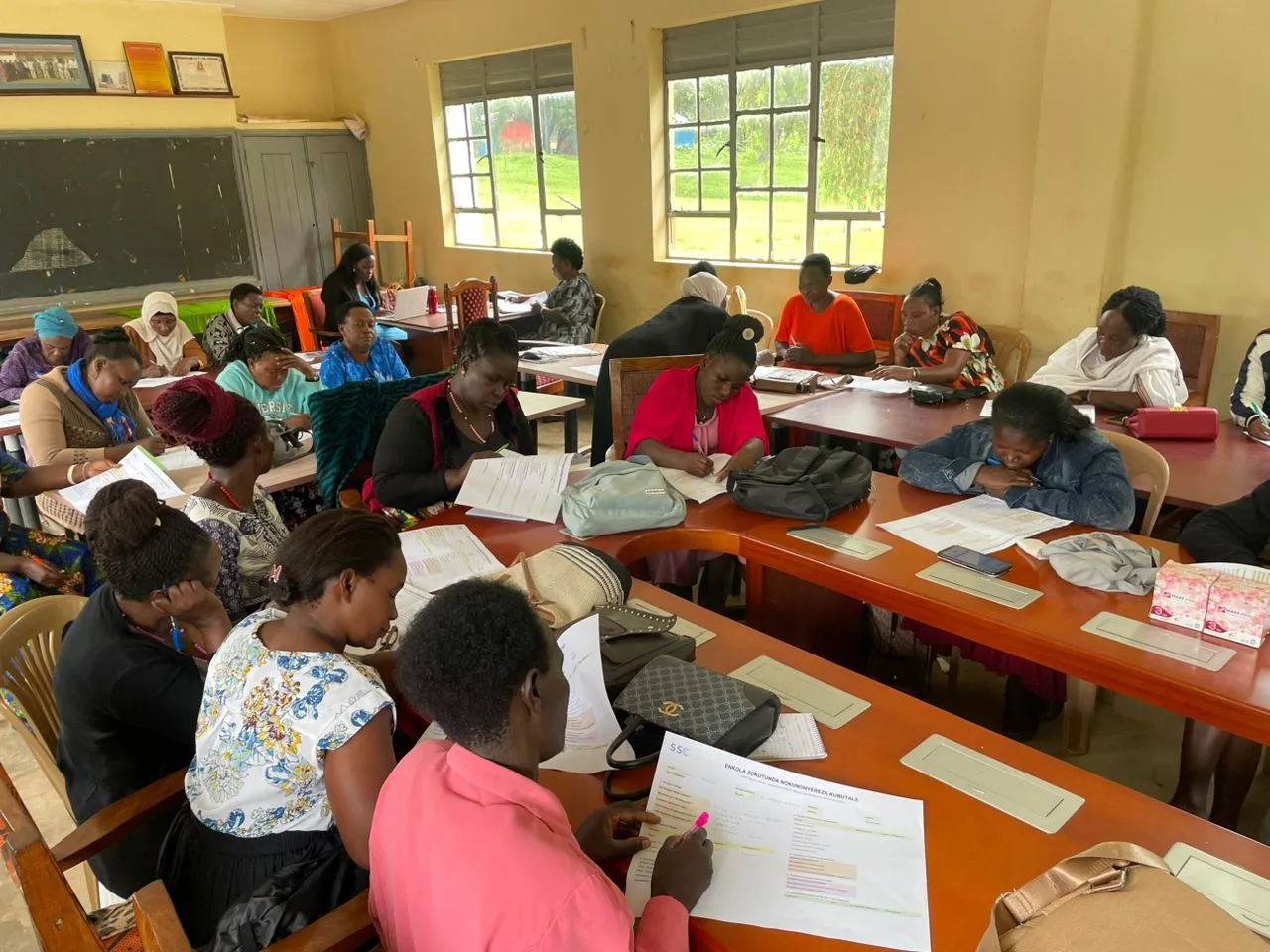
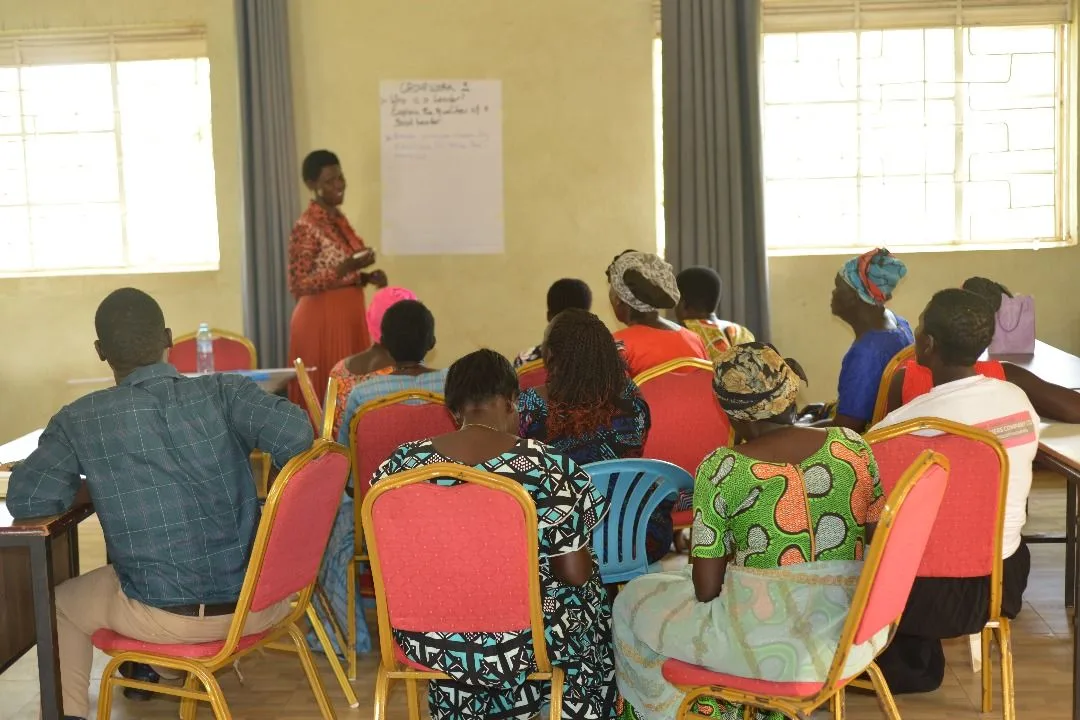
- We supported more than 600 women-led enterprises across Uganda by providing business diagnostics, coaching, training, and market-access interventions. Over 300 enterprises took part in practical trainings on financial management, record keeping, taxation, marketing, leadership, and business communication, resulting in better business practices and stronger financial accountability.
- We developed an AI-powered Business Development Services platform to digitally manage diagnostics, expert matching, progress tracking, training participation, and customised business development planning. This system offers real-time analytics and enables us to deliver targeted support at scale.
- We helped women's groups formalise their businesses, improve governance structures, and prepare for entry into higher-value markets. As a result, several groups successfully registered their enterprises and enhanced compliance with market requirements.
- We also facilitated participation in trade fairs and business exhibitions, opening up new market opportunities and commercial linkages to ensure sustainable market access beyond the project lifecycle.
- Through advisory support on business growth, green business practices, quality improvement, certification readiness, and market connections, participating enterprises increased their competitiveness and built stronger foundations for income growth, job creation, and long-term economic empowerment for women.
Voices from the field
On behalf of Nyakahita 11 Women Mushroom Growing, I would like to sincerely appreciate the WEEG-UWEP project for supporting us. As a group, we did not have the financial capacity to formalise our business, but we are now a fully registered company. This has opened a new chapter for us. We are preparing to enter supermarkets, supply shops and operate as a recognised business.
We are now a formally registered company and taking steps to certify our honey products. We are already seeing progress, including selling our honey in Kampala and building strong customer networks.
We kickstarted our record-keeping journey by purchasing receipt books, expense books, and invoice books to better track income and expenditure. We appreciate the WEEG-UWEP project for guiding us towards improved financial accountability and business management.
Impressions