
Flagship project
Strengthening West Africa's Power Network with Regional Battery Storage
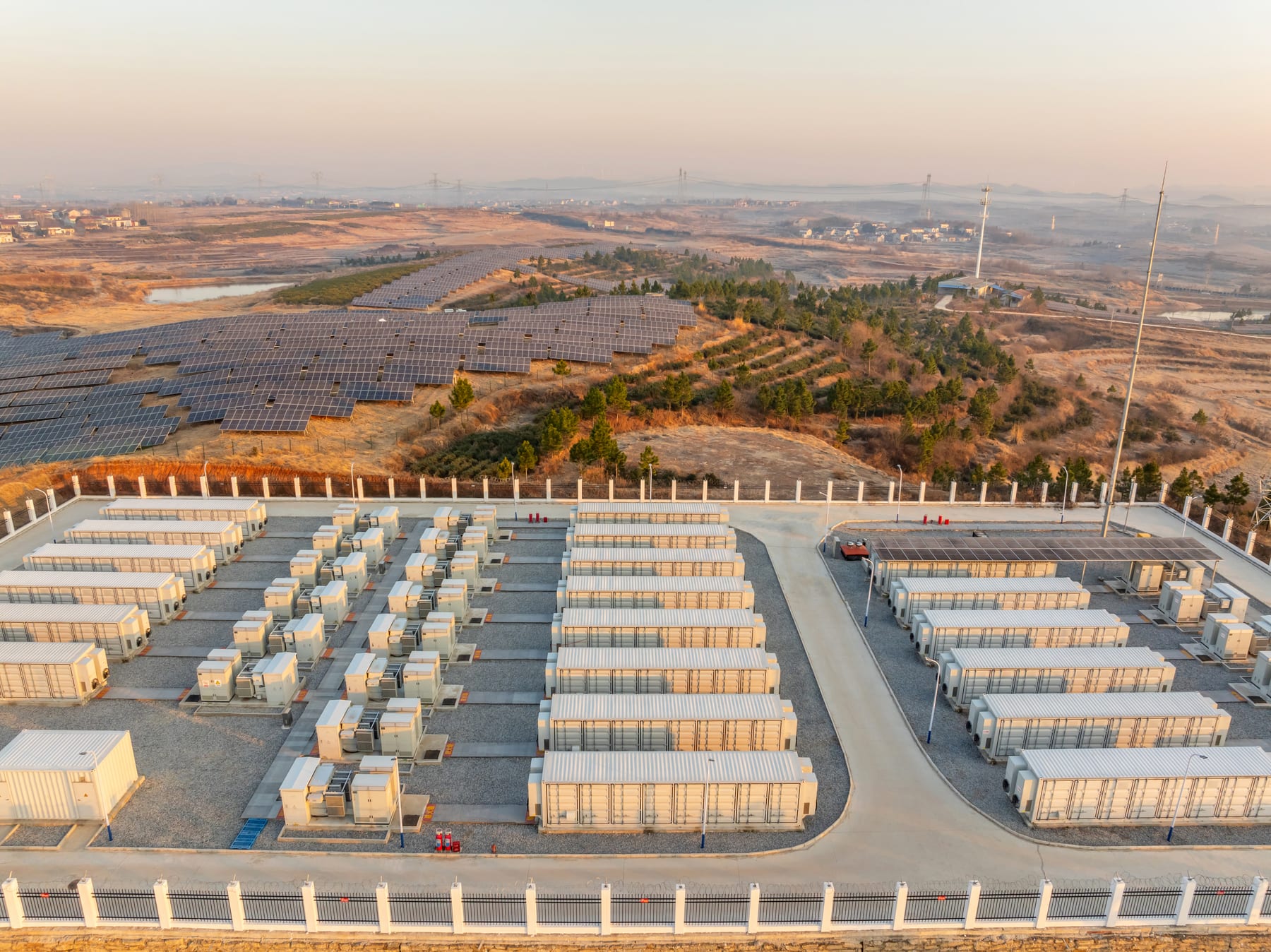
The regional BEST project is delivering 205 MW/205 MWh of utility-scale battery storage across five substations in Côte d'Ivoire, Mali and Niger to strengthen the stability and reliability of the West African Power Pool.
The challenge
Delivering utility-scale batteries across the interconnected West African Power Pool means coordinating five substations, three national utilities and nationally signed contracts within one regional initiative. Each installation must fit its local voltage and network context, while procurement, safeguards, design, construction and commissioning remain aligned across participating countries.
Our goal
BEST aims to reinforce the West African Power Pool with country-owned battery storage investments that are technically sound and effectively implemented. As Phase 2 of ECO-REAP, it connects a regional ECOWAS initiative with national delivery in Côte d'Ivoire, Mali and Niger, combining dependable infrastructure, transparent procurement, effective safeguards and stronger implementation capacity within participating utilities.
Our approach
ECOWAS prepared and tendered the regional programme, while CI-Energies, EDM Mali and NIGELEC hold the respective country contracts. The project combines procurement support with design, construction and commissioning oversight. Bidding documents and evaluations are reviewed, environmental and social requirements are integrated, and implementation is monitored through ESMP, resettlement and grievance-redress reporting. Technical advisory services, contract administration, completion reporting and practical capacity building accompany delivery at Korhogo, Boundiali, Odienné, Sirakoro and Gorou Banda.
Impact in numbers
Strategically placed battery systems can help participating utilities operate the interconnected network more dependably. Each country gains infrastructure tailored to its own grid: three installations for CI-Energies, one for EDM Mali and one for NIGELEC. Shared preparation and implementation standards provide a coordinated basis for managing procurement, environmental and social obligations, contract performance and commissioning. Integrating utility staff into delivery also strengthens practical knowledge that can support the systems after installation and inform later battery-storage investments across West Africa.
Key highlights
- Five substations will host 205 MW/205 MWh of battery storage.
- Côte d'Ivoire's 105 MW/105 MWh programme covers Korhogo (50 MW/50 MWh), Odienné (35 MW/35 MWh) and Boundiali (20 MW/20 MWh), all at 225 kV.
- Mali adds 80 MW/80 MWh at the 225 kV Sirakoro substation on Bamako's Southern Loop.
- Niger adds 20 MW/20 MWh at the 132 kV Gorou Banda substation near Niamey.
- The three assignments share one regional objective and a common technical approach, while allowing each utility to manage a nationally contracted installation.
Success story
For the electricity teams in Côte d'Ivoire, Mali and Niger, the regional project turns one shared challenge into five practical investments. Each battery system is designed around an existing substation: Korhogo, Boundiali, Odienné, Sirakoro or Gorou Banda. ECOWAS-led preparation gives the countries a common procurement basis, while each national utility owns its contract and remains close to implementation. Utility staff participate in delivery as works, safeguards and contract conditions move from tender evaluation through construction and commissioning. This structure links regional coordination with site-level ownership. When the systems enter service, each utility will have a locally anchored storage asset contributing to a stronger interconnected network.