
Flagship project
Planning a Stable, Renewable-Ready Power System for Uzbekistan
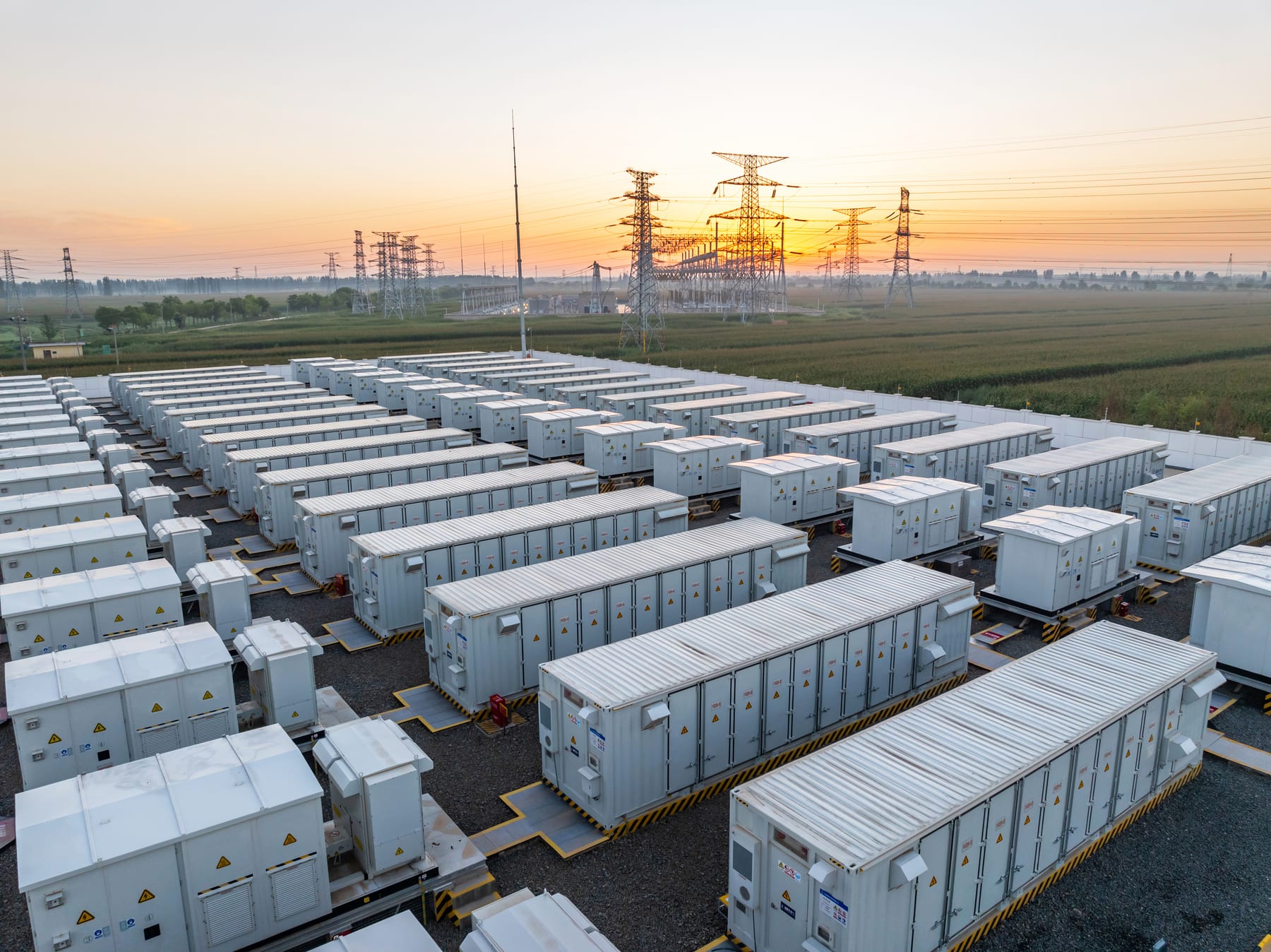
A countrywide energy-mix and power-system planning study assessed how Uzbekistan can integrate greater solar, wind and hydropower capacity while maintaining grid stability and identifying the storage and network measures required.
The challenge
Uzbekistan's renewable-energy ambitions require a power system that can absorb large volumes of variable generation while meeting future demand reliably. Planning had to consider changing load profiles, solar and wind resources, hydropower, conventional capacity, gas availability, transmission constraints and grid stability, as well as the role of battery storage in balancing a more diverse generation mix.
Our goal
The study aimed to define a techno-economically feasible long-term energy mix that maximises renewable-energy integration, reduces reliance on fossil fuels and strengthens energy security without compromising grid stability. It also sought to identify the battery capacity, network upgrades and changes in system planning and operation needed to support the transition.
Our approach
Phase 1 expanded the current Uzbek grid load profile using national growth forecasts, mapped countrywide renewable-energy potential and assessed conventional generation and future gas availability. It then examined how much solar PV, wind and hydropower the grid could accommodate and identified reliable power-evacuation options. From three proposed energy-mix scenarios, stakeholders selected two for detailed Phase 2 analysis, including steady-state and dynamic grid modelling, BESS sizing, integration barriers, planning and operational changes, network upgrades and renewable limits at regional and substation level.
Impact in numbers
The study created an evidence base for long-term electricity-sector decisions that balance renewable growth, affordability, security of supply and grid stability. By combining load forecasts, resource mapping, generation availability, transmission analysis and detailed system modelling, it enabled investment choices to be assessed as parts of one national energy system. Recommendations on BESS, network reinforcement and operational changes can help reduce integration barriers and guide low-cost renewable capacity towards locations where it can be evacuated reliably. This supports Uzbekistan's pathway towards greater use of renewable resources and lower dependence on fossil-fuel generation.
Key highlights
- The study linked resource assessment with system planning at national and regional scale.
- Renewable-energy pockets were mapped by geography, area, irradiation and wind speed, while demand growth and conventional-generation availability informed three future energy-mix scenarios.
- Two scenarios advanced to detailed stability assessment.
- The work examined the interaction between renewables, conventional generation, BESS and other flexibility options, alongside the grid infrastructure needed to maximise integration.
- Outputs included guidance on BESS requirements, renewable integration limits, power-system planning and operating changes, and reinforcement needs.
Success story
For the teams planning Uzbekistan's future power system, the central question was not simply how much renewable capacity could be built, but how much the grid could use reliably. The study began with the country's changing demand profile and mapped where solar, wind and hydropower resources were strongest. It then connected those opportunities with conventional generation, gas availability and transmission capacity. Three energy-mix pathways made the choices visible; two were taken forward for detailed stability testing. By examining BESS requirements, network upgrades and operating changes alongside renewable capacity, the project turned a broad national ambition into practical planning choices. This integrated view gives decision-makers a clearer route for adding lower-cost renewable electricity while protecting grid stability and energy security.