Flagship project
Strengthening Maternal and Child Health Infrastructure in Tajikistan
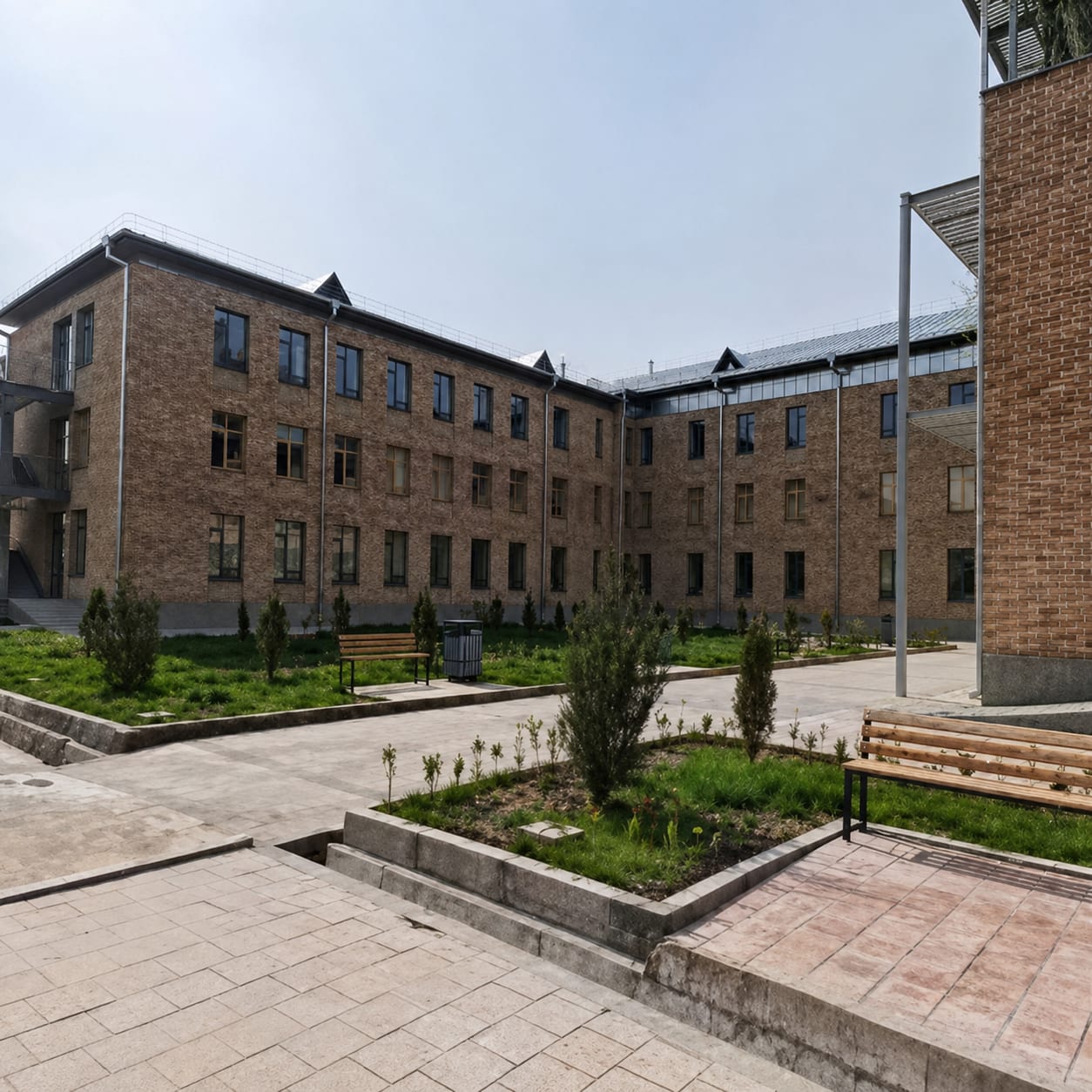
Across three phases, Tajikistan strengthened emergency care for mothers and children through hospital infrastructure, equipment, telemedicine and clinical capacity development.
The challenge
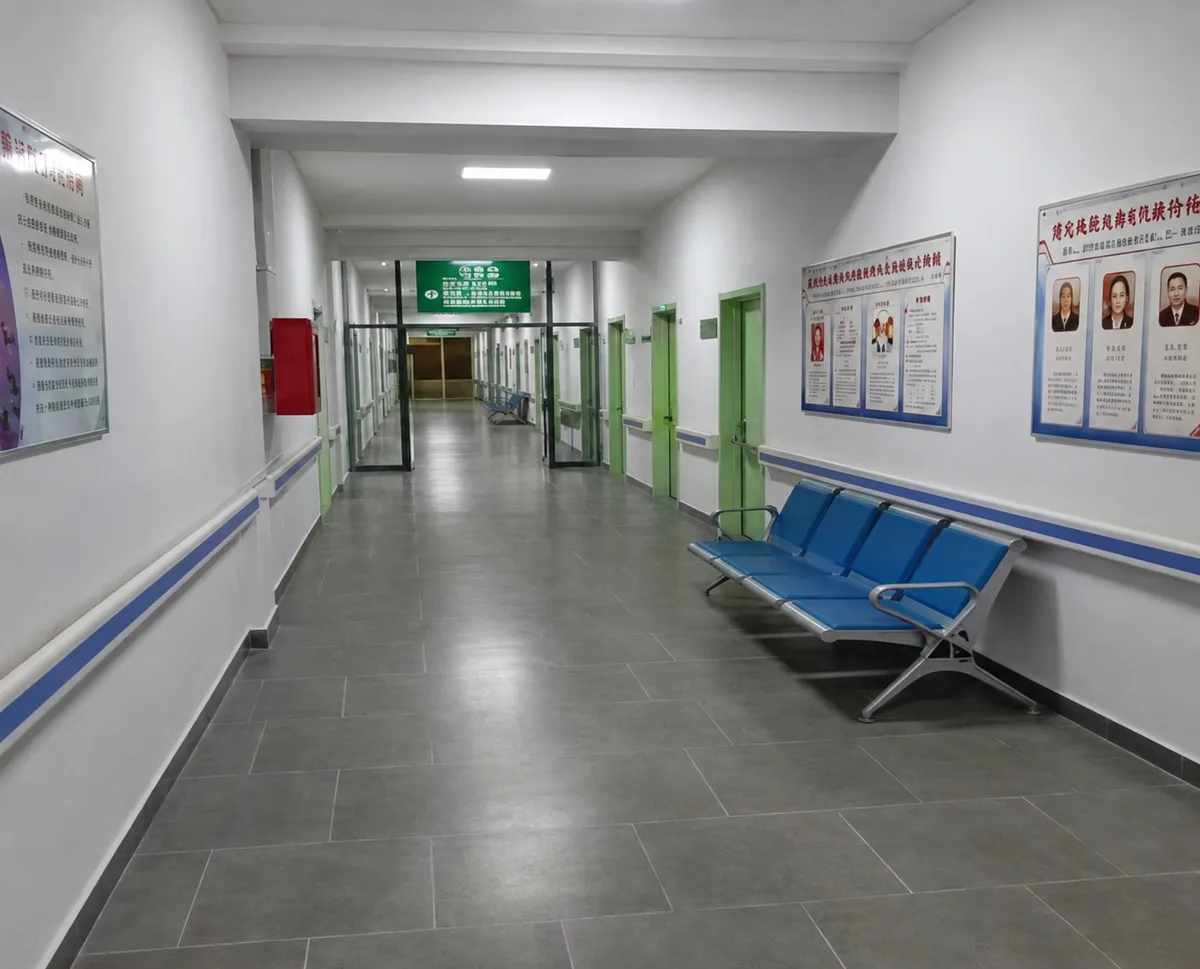
Emergency obstetric and paediatric care depends on buildings, equipment, clinical skills and hospital management functioning together. Facilities in Khatlon needed rehabilitation and modern systems, while staff required stronger emergency routines, maintenance capability and links to specialist support across the health network.
Our goal
The programme aimed to improve maternal and child health in Khatlon by raising the quality and availability of emergency care. It sought to create safer clinical environments, better-equipped hospitals and stronger systems for managing urgent cases across oblast and district levels.
Our approach
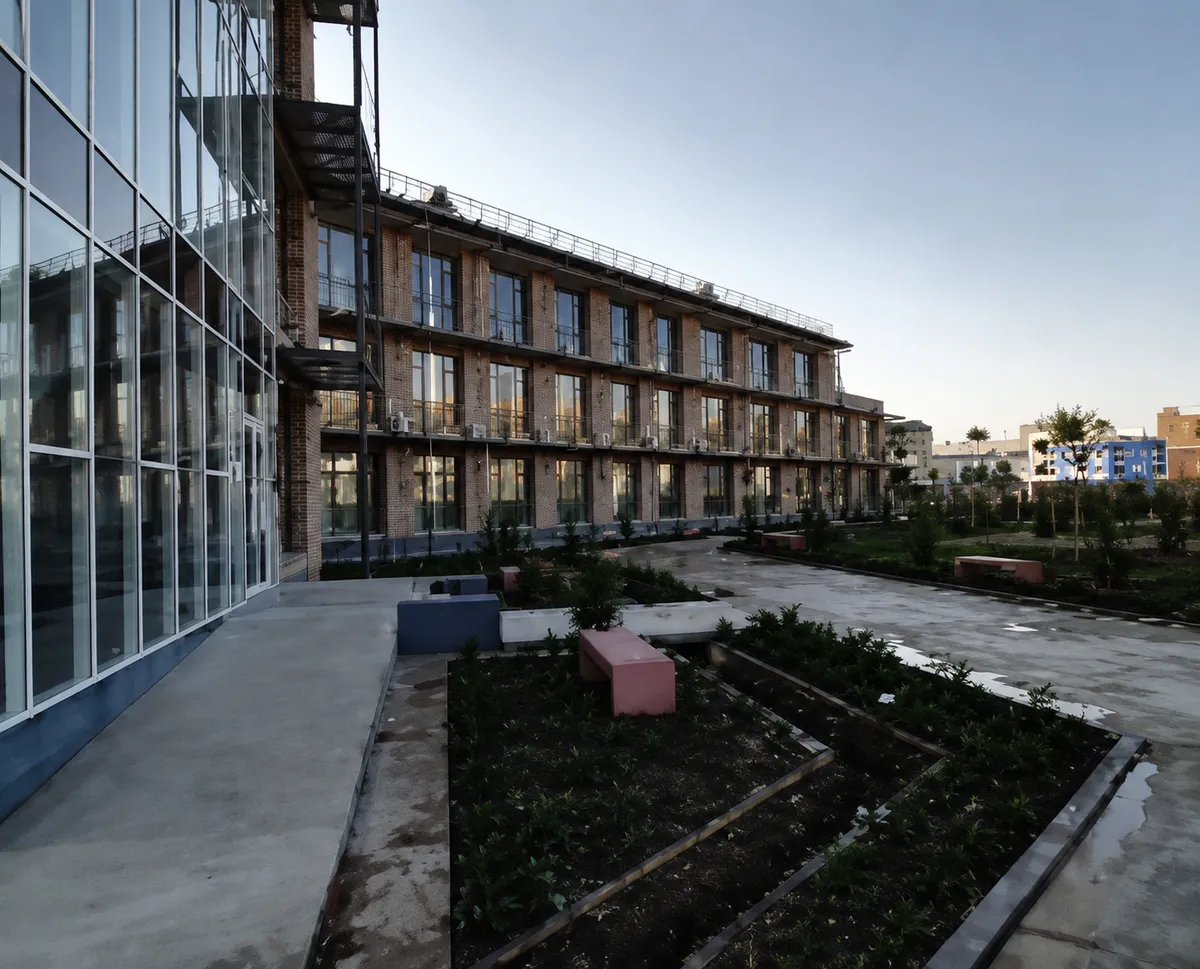
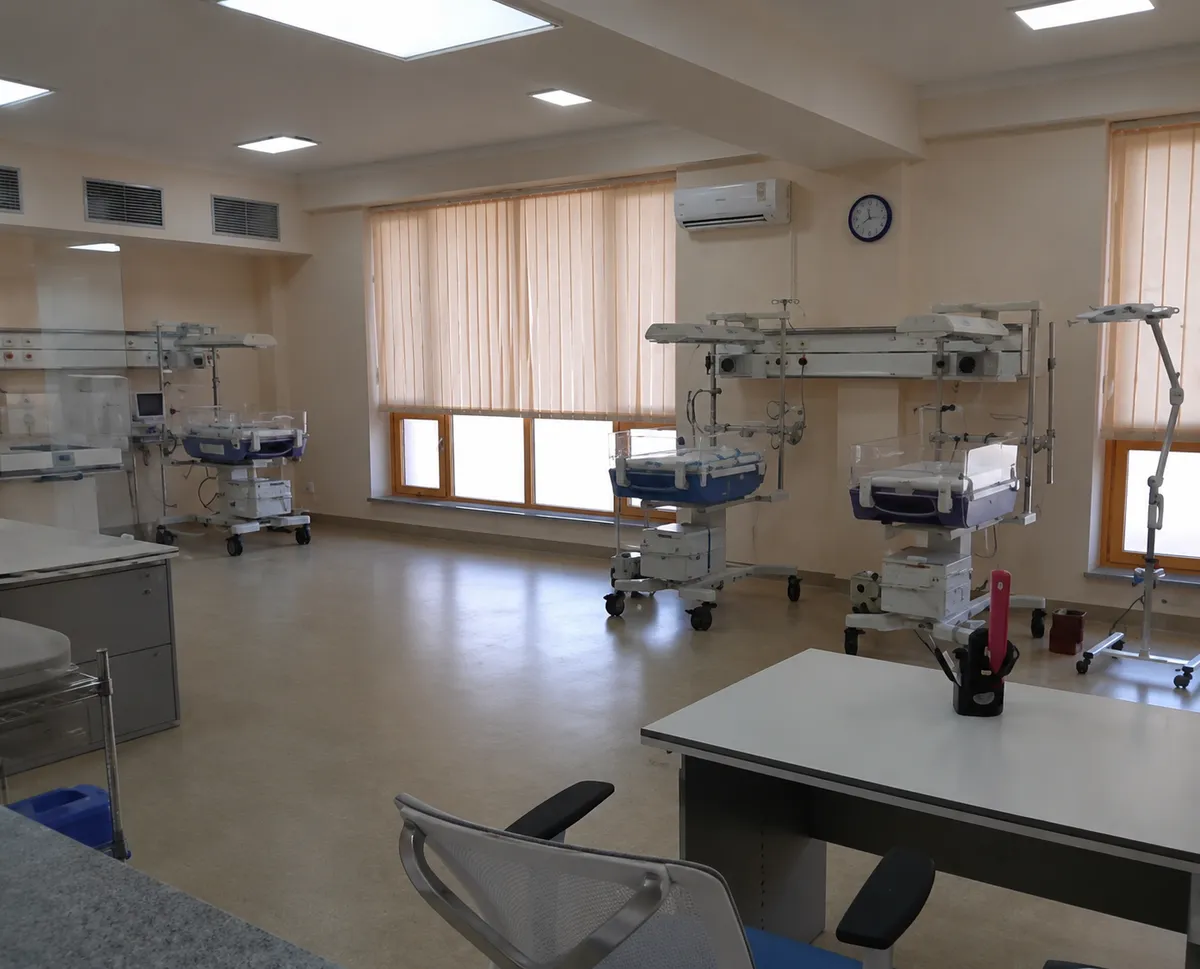
Hospital master plans guided rehabilitation, construction and equipment at two oblast hospitals and four central district hospitals, while an institute and 11 hospitals received additional equipment or accompanying measures. Clinical, management and emergency training complemented procurement, telemedicine, medical-waste systems and climate-suitable low-energy infrastructure delivered under FIDIC arrangements.
Impact in numbers
Mothers and children can receive urgent treatment in facilities better suited to diagnosis, stabilisation and referral. Clinicians benefit from equipment, training and telemedicine connections, while improved management supports more consistent service. Energy-conscious rehabilitation and maintenance capability help hospitals protect the investment and remain safely operational through demanding regional conditions over time.
Key highlights
- Approximately EUR 25 million of infrastructure investment linked referral hospitals, district facilities and an institute within one programme.
- Emergency obstetrics shaped hospital planning, while telemedicine extended access to expertise.
- Maintenance and medical-waste management addressed the less visible systems needed for safe and durable care.
Success story
In an emergency, the quality of care depends on a chain of readiness. The building must support rapid movement, equipment must work, clinicians must recognise the situation and referral hospitals must be able to communicate. Tajikistan's three-phase programme strengthened that chain across Khatlon. Master planning shaped hospital spaces around clinical needs; equipment and telemedicine improved the tools available to staff; and training addressed emergency care, management and maintenance. Medical-waste systems added an essential safety function. For a mother or child arriving in urgent need, these improvements can reduce the number of weak links between first assessment and appropriate treatment. That is how infrastructure and health-system development together can translate into safer care.
Impressions