Flagship project
Roadside spring protection in Nepal
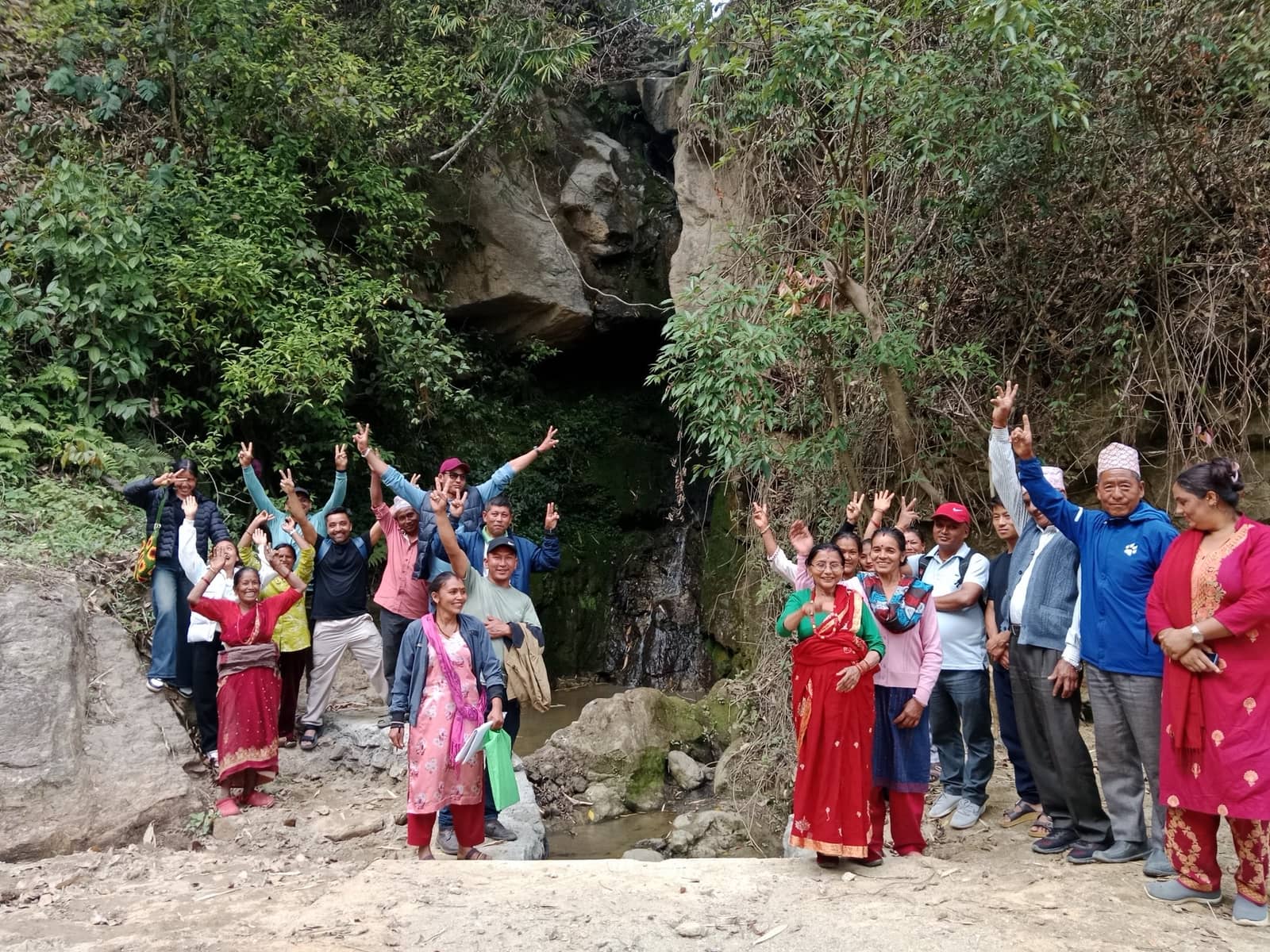
Improved water security and climate resilience in Nepal's mountain communities by protecting roadside springs, increasing household water availability up to 97% of demand, enhancing livelihoods and road resilience, and proving strong long-term value through cost–benefit returns of 4–8 times investment.
The challenge
Springs are the main water source for over 10 million people in Nepal's hill and mountain communities, yet an estimated 30% have dried up in the past 15 years. Decline is driven by catchment degradation, land-use change, deforestation, agricultural expansion, climate change, and poorly managed road construction. Springs exposed during road works are often unmanaged, causing damage or drying, but roadside spring protection remains overlooked in road planning, threatening water security and livelihoods.
Our goal
The project aims to integrate roadside spring protection into local road development practices in Nepal by demonstrating and scaling successful approaches. Building on lessons from Dhankuta Municipality, RoSPro seeks to mainstream spring-sensitive road planning and management, contributing to the restoration and protection of natural springs, improved water security, and more resilient infrastructure in Nepal's hill and mountain regions.
Our approach
The project follows a four-branched approach:
1. Pilot implementation: Identifying priority roadside springs in Dhankuta Municipality through stakeholder consultations, co-designing spring protection measures, and implementing pilot interventions.
2. Monitoring and evaluation: Assessing the technical, environmental, and socio-economic impacts of the interventions, including their costs and benefits, to generate evidence for replication.
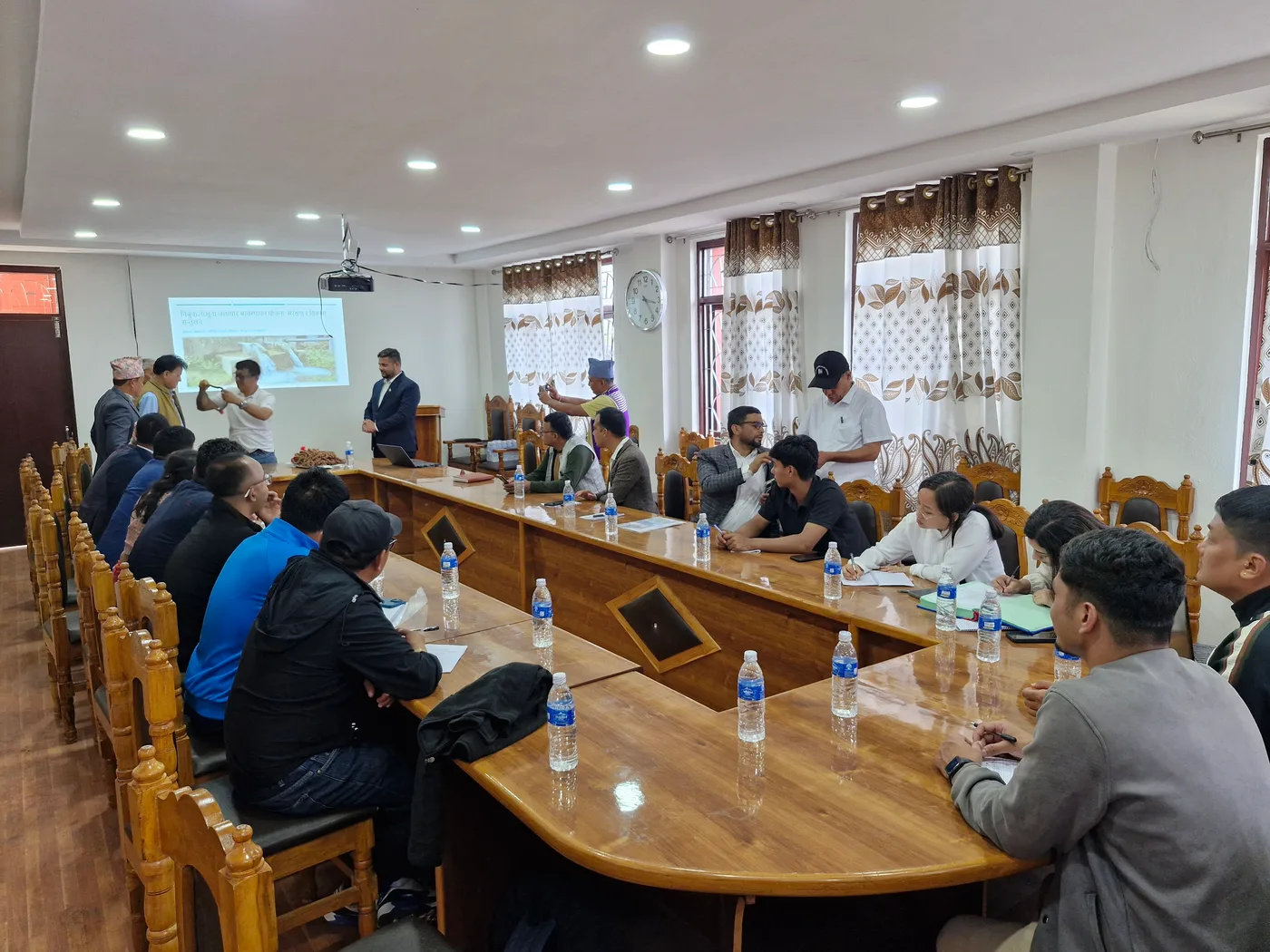
3. Stakeholder engagement: Organizing consultations, a kick-off event, and dissemination workshops to foster collaboration, raise awareness, and promote uptake of the approach.
4. Knowledge generation and project management: Developing knowledge products, while ensuring effective project management, monitoring and evaluation, communication, and dissemination to support mainstreaming of roadside spring protection into local road development practices.
Impact in numbers
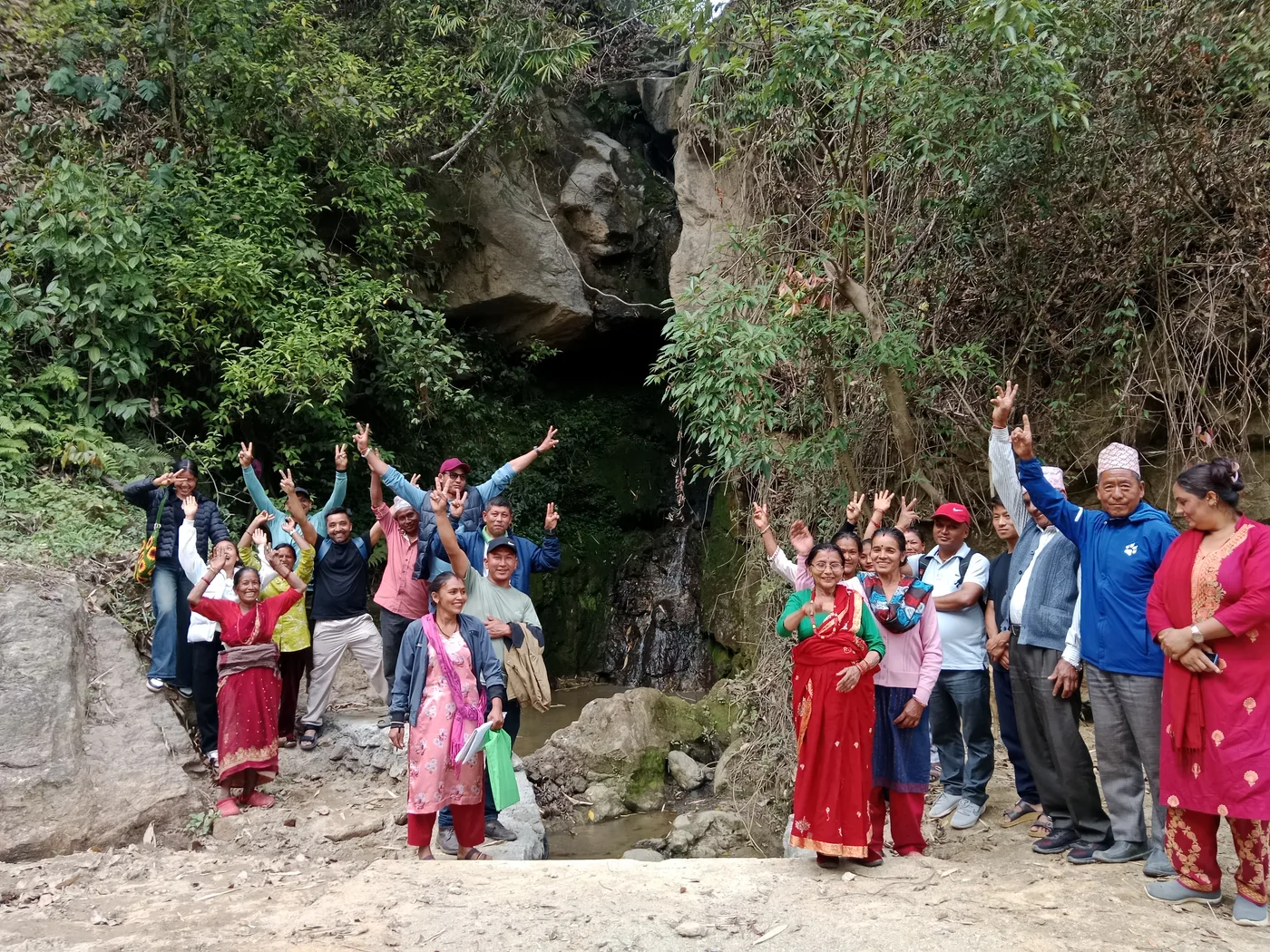
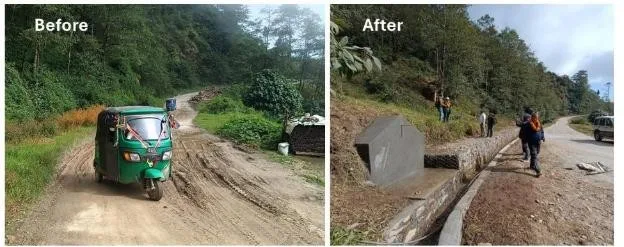
RoSPro improved daily water security, livelihoods, and road resilience for spring-dependent communities in Dhankuta Municipality and Chhathar Jorpati Rural Municipality. Improved drainage and spring management reduced water-related road damage, helping maintain access to markets, schools, and health services. A key achievement is local ownership and replication: communities and municipalities gained the confidence and technical capacity to apply the approach independently, demonstrating strong potential for scaling across Nepal.
Key highlights
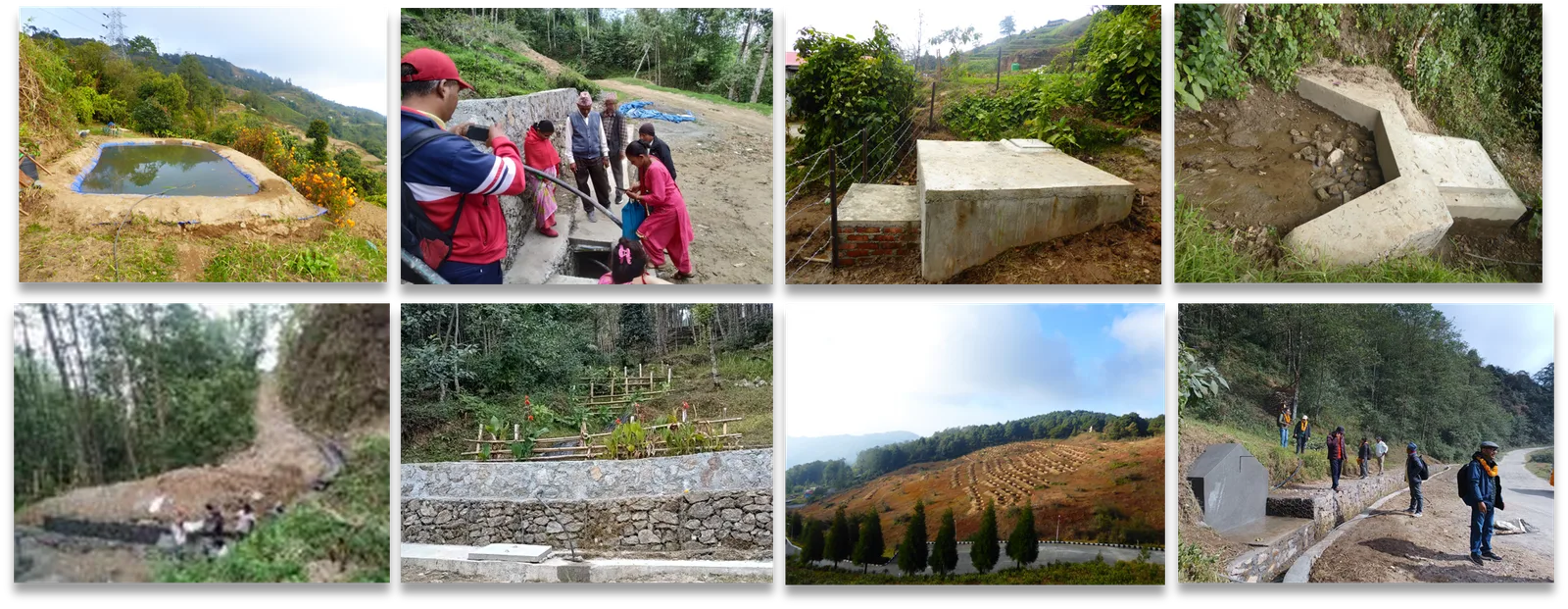
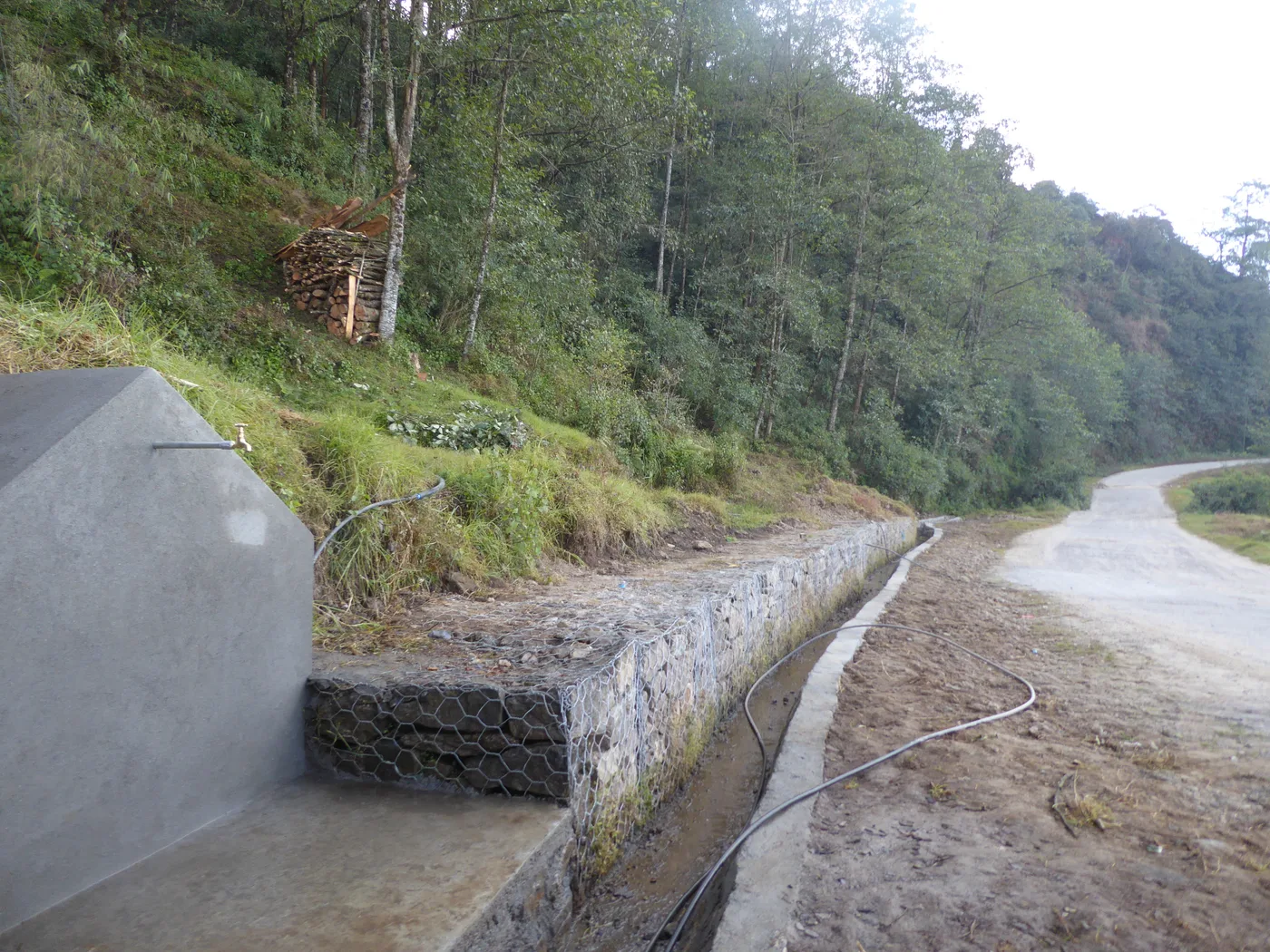
- The RoSPro project demonstrated an integrated approach to protecting springs while improving rural road infrastructure in Nepal's mountainous regions. Four roadside springs in Dhankuta Municipality and Chhathar Jorpati Rural Municipality were rehabilitated through site-specific interventions, including recharge measures, collection chambers, storage tanks, improved drainage systems, overflow reuse for agriculture, and bioengineering for slope stabilization.
- Post-intervention assessments showed significant improvements in water security, with household water demand fulfilment increasing from 53–65% before intervention to 92–97% after intervention. Water quality improved, with 87% of respondents reporting noticeable improvements, while some communities gained access to water for up to 18 hours per day. Road improvements reduced erosion, strengthened connectivity, and improved access to markets, healthcare, and education.
- The interventions also generated livelihood benefits: agricultural production increased by 43%, 36% of households reported income increases of up to 25%, and water collection time was reduced by up to 78 minutes per day, particularly benefiting women. Cost-benefit analysis confirmed the economic viability of the approach, with positive NPVs, IRRs ranging from 44–122%, and benefit-cost ratios of 4–8.
Voices from the field
We have been looking after this spring for 10-12 years, earlier the spring water was used for drinking, domestic use, livestock and irrigation, but the last 3-4 years we found a decrease in water. Now, the spring discharge after interventions has doubled, increasing from 15 litres per minute to 29 litres per minute compared to the same time in previous years.
Before we had to walk for 30 minutes to get water from the nearby river in which our time was wasted, now it is much easier for us as there are taps in each household for drinking, livestock and domestic purpose, this saves us a lot of time and eases the work.
Previously we had projects focusing either on water or on roads, but this project focuses on protecting and managing the water source and road at the same time, that is why we like it very much and also the people appreciate it more.
Success story
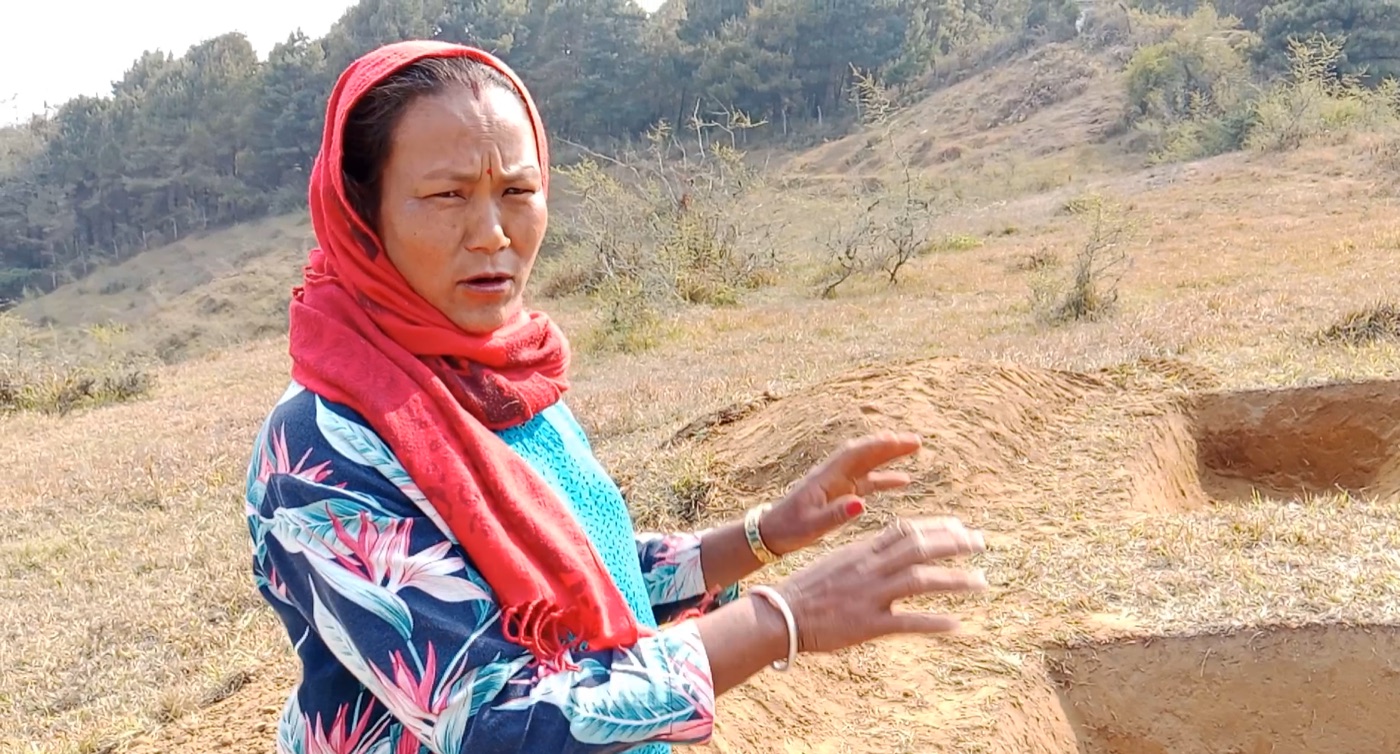
Chitra Maya Tamang
Previously, during the dry season, families could not always rely on the spring. Women had to spend valuable time managing water, connecting pipes manually and worrying whether crops would receive water at the right moment. Peas and other vegetables sometimes failed when water was delayed.
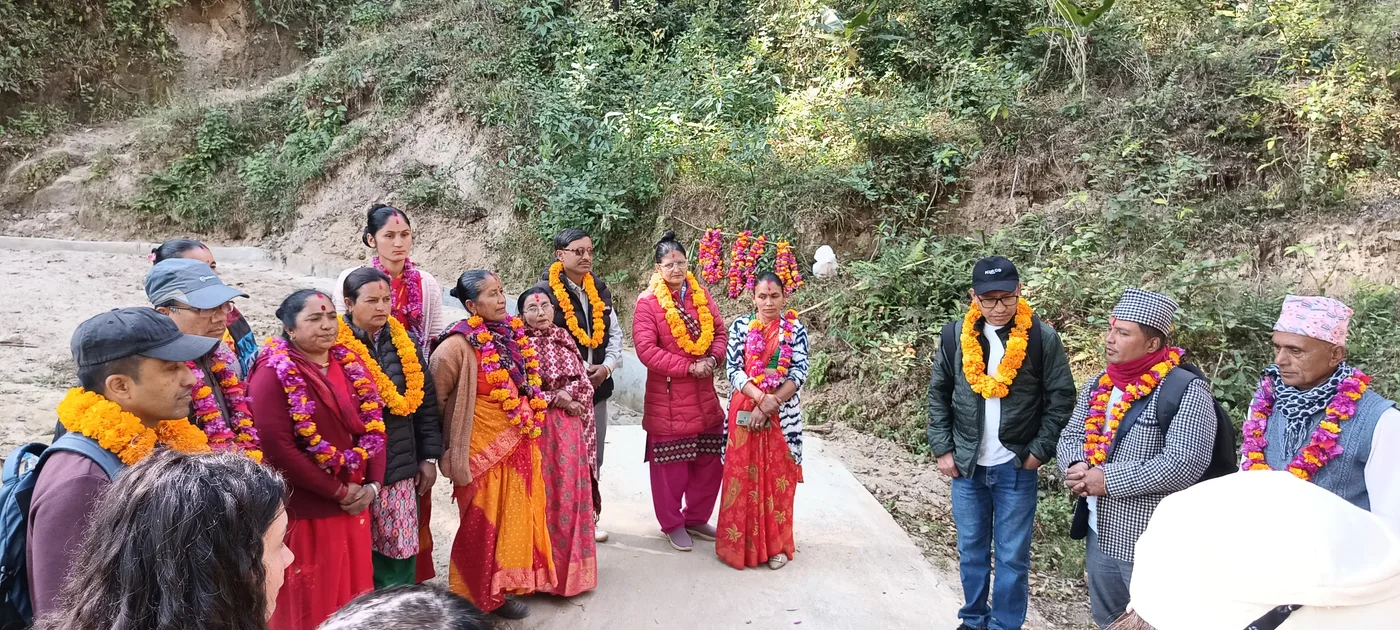
Through RoSPro, Chitra Maya and other community members helped protect the spring, connect newly discovered water sources, construct collection and storage structures, and build recharge trenches above the source. She also helped explain why the trenches were built with sloped sides: to slow the water, reduce damage, and allow animals to climb out safely.
The change is visible in daily life. In Bojhe, household water demand fulfilment increased from 55% to 90%, and water service from the reservoir rose from 1 to 4 hours per day. Farmers now grow more high-value crops, including peas, potatoes, cabbage and cauliflower; potato production increased by 68% and pea production by 53%. For Chitra Maya and her neighbours, spring protection has brought more than water: it has brought time, income, food security and confidence.
Treasurer of the Bojhe Spring User Committee
Special features
In the media
- Green Roads Webinar Series with ADB: Roadside Spring Protection to improve Water Security and Road Sustainability
- Introducing roadside spring protection to improve water security (RoSPro) – Partners for Water
- Innovation in Progress: Securing water sources through roadside spring protection in Nepal – Partners for Water
Videos from the field
Impressions