Flagship project
Agricultural transition to productive biodiversity in India
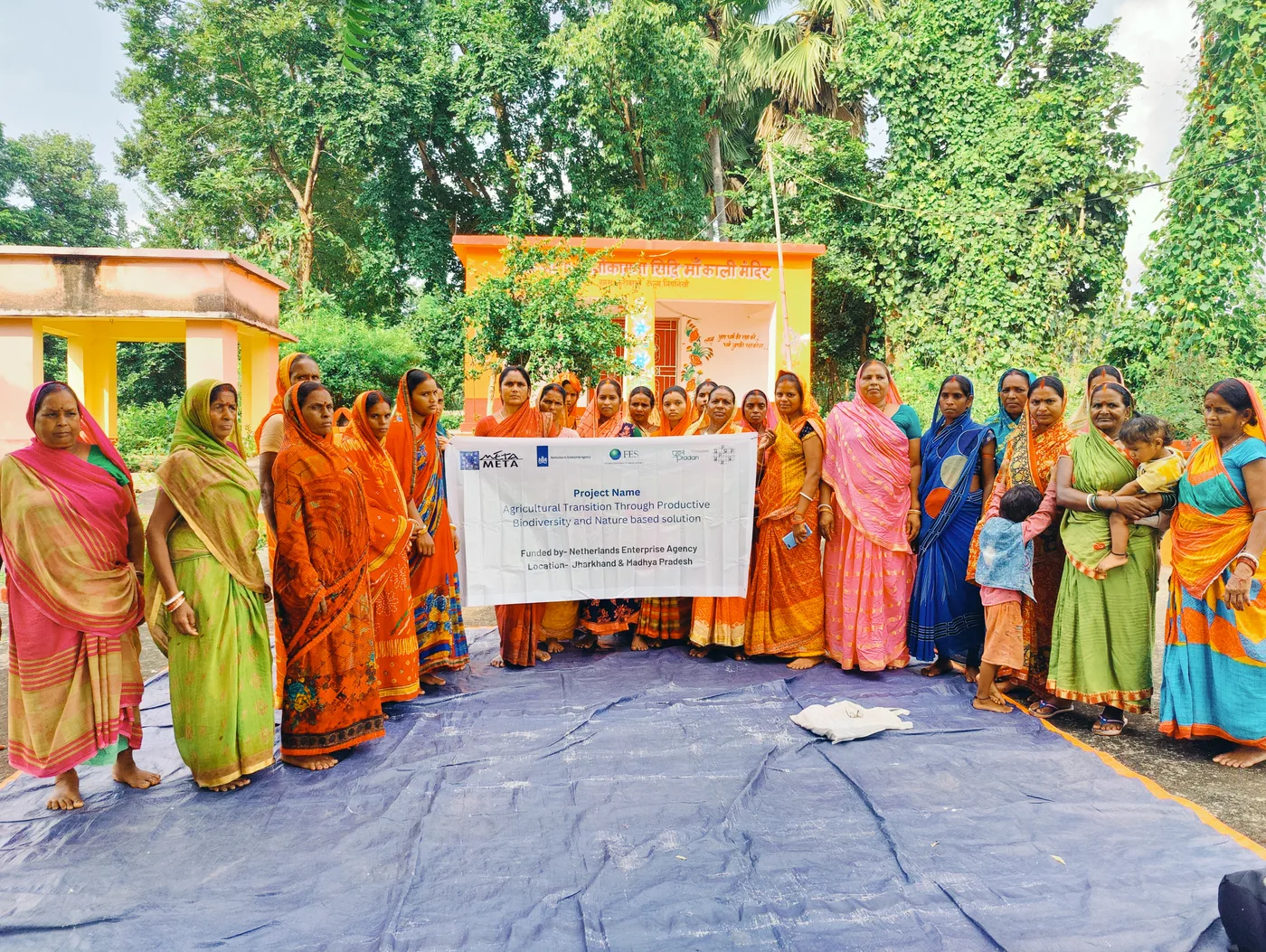
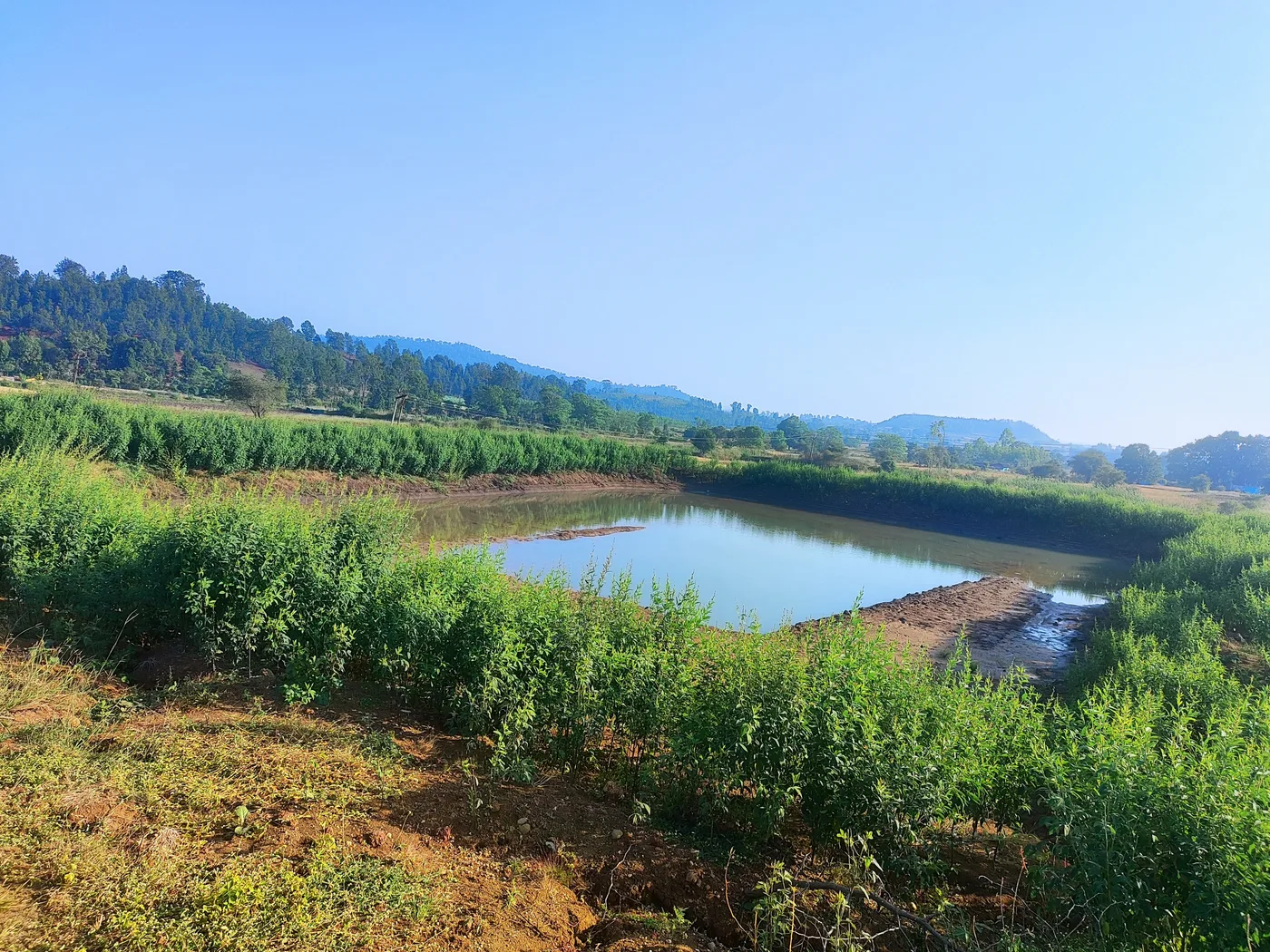
Restored biodiversity and reduced crop losses and water usage for tribal farming households across 3 states with more than 500 farmers in India.
The challenge
Unsustainable agricultural practices in Jharkhand and Madhya Pradesh, including excessive pesticide use and poor water management, are degrading landscapes, reducing biodiversity, and threatening food security. Limited adoption of nature-based solutions has weakened ecosystem health, soil and water quality, and agricultural productivity, highlighting the need for sustainable, evidence-based approaches that improve resilience while supporting farmer livelihoods.
Our goal
To promote sustainable agriculture through nature-based solutions that restore biodiversity, improve water and soil health, enhance food security and livelihoods, and increase crop productivity. The project also seeks to validate these approaches with stakeholders and support their integration into government programmes for long-term scaling and sustainability.
Our approach
The project combines biodiversity restoration, ecological pest management, and pest control through field water management. Activities include mapping and assessing existing hedges, developing a GIS-based planning tool to identify suitable locations for green hedges, upgrading reference plots, and documenting their impacts. To improve food security, the project assesses rodent impacts, develops training materials and management guidelines, trains frontline workers in ecologically based rodent management, and shares lessons through knowledge products. It also pilots Alternate Wetting and Drying (AWD) as a water-saving practice that reduces irrigation costs and pest pressure in rice, and documents other nature-based solutions such as biofertilizers, while engaging government departments and stakeholders to support implementation and future scaling.
Impact in numbers
Combined interventions have strengthened food security, lowered per-household input costs, and reduced pressure on natural resources across the project area. The project has built a replicable, evidence-based model for nature-based agriculture, now informing engagement with government departments for wider policy-linked scale-up.
Key highlights
- Piloted pigeon pea and acacia hedgerow plantations along field bunds, with species and site selection guided by field assessments in Jharkhand and Madhya Pradesh
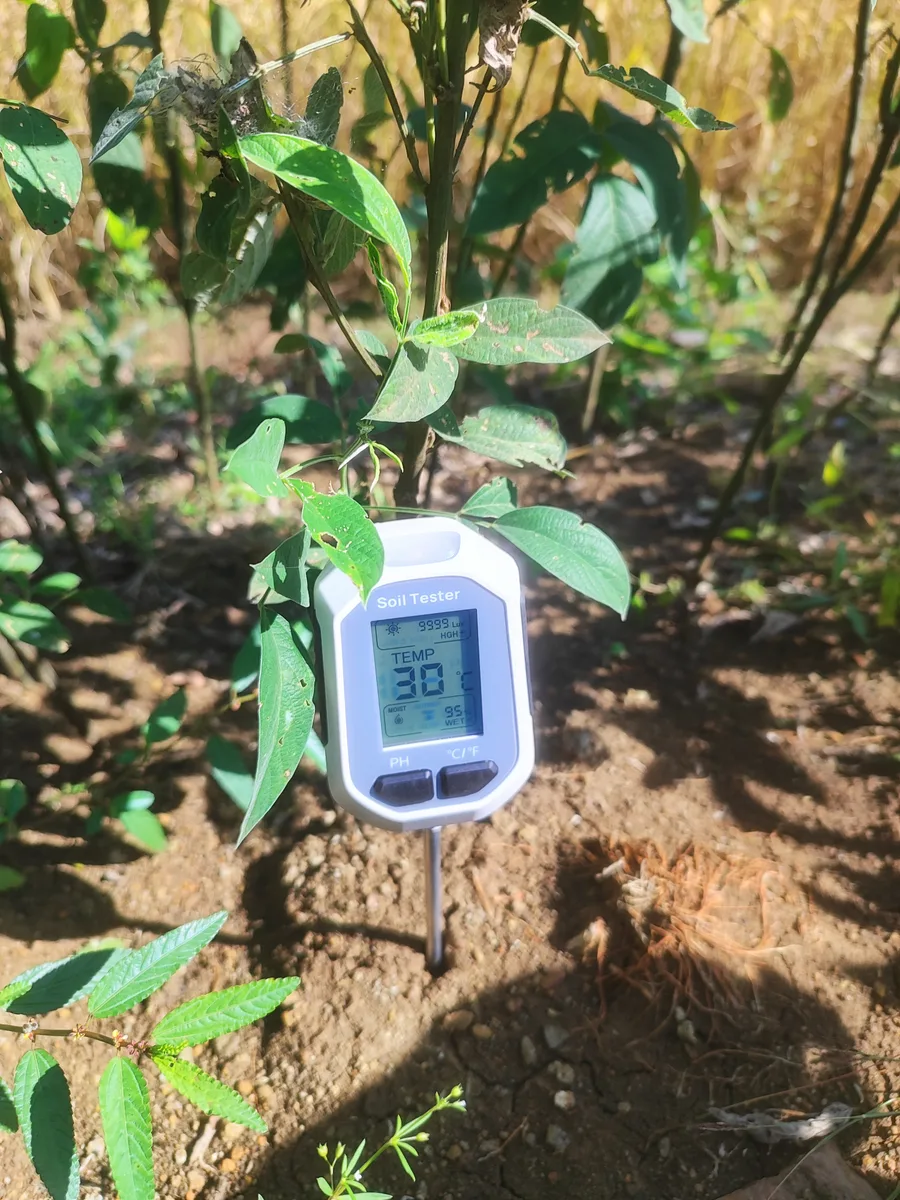
- Installed soil, wind, and microclimate sensors to monitor hedge performance over time
- Ran an economic comparison of hedged vs. non-hedged plots to build the case for hedge-crop profitability
- Published the "Greening Boundaries" manual, along with blogs, case studies, and videos to share the approach
- Supported farmer-led upgrades of degraded hedges through pruning, replanting, and GIS-based mapping tools
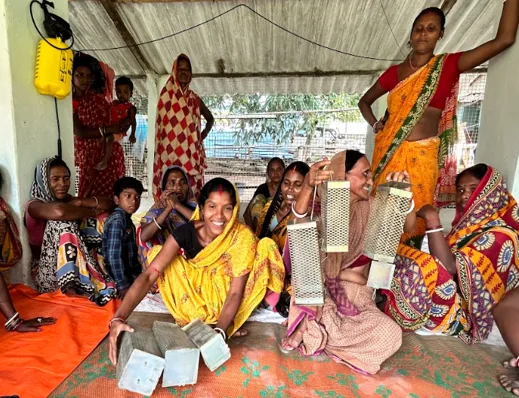
- Rolled out a four-step EBRM model – burrow mapping, synchronized fumigation and sealing, trap distribution, and monitoring – across all intervention villages
- Introduced bird perches as a low-cost, community-driven natural predator solution
- Documented household practices like elevated grain storage and cat-keeping as complementary rodent controls
- Ran controlled crop-yield sampling to quantify the economic case for EBRM adoption
- Identified Mahuatand village as a high-performing model site for replication
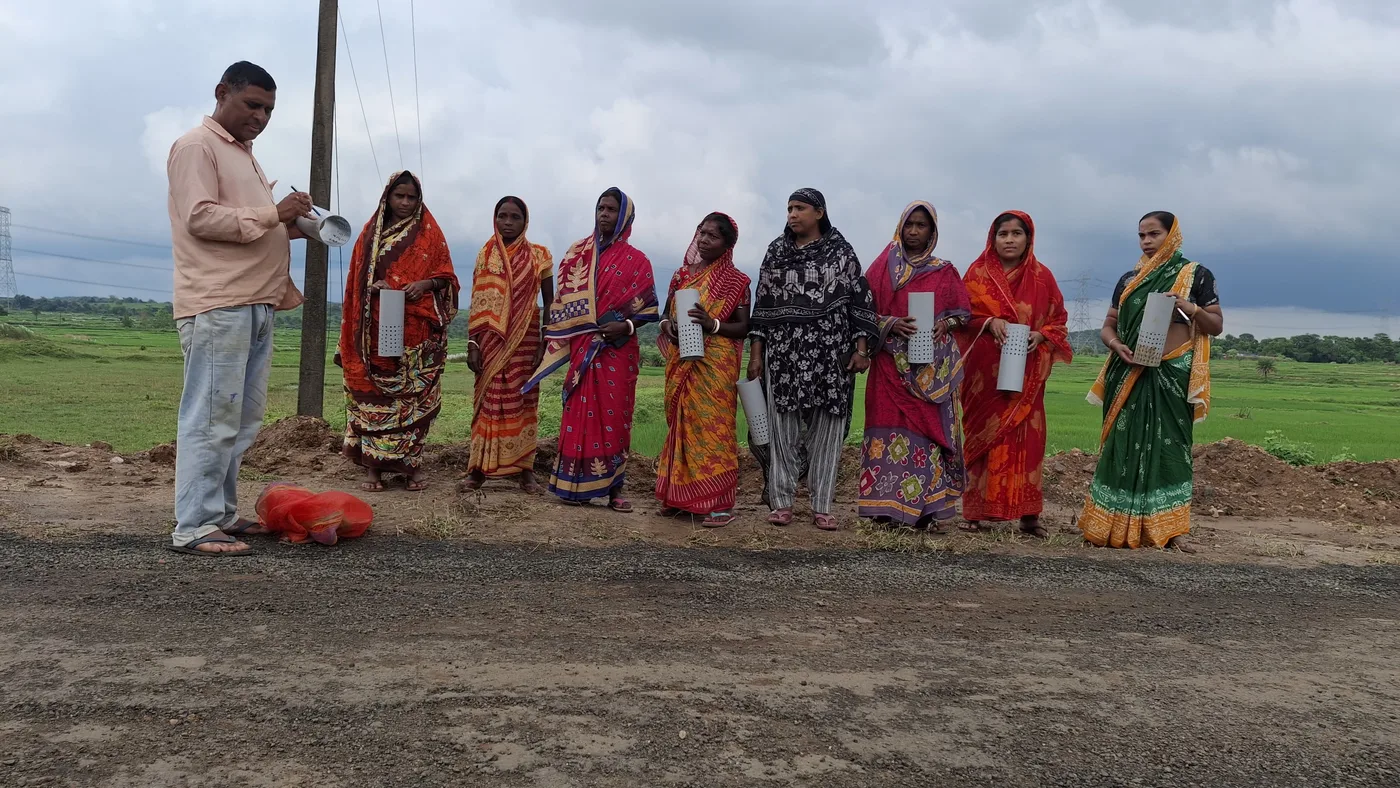
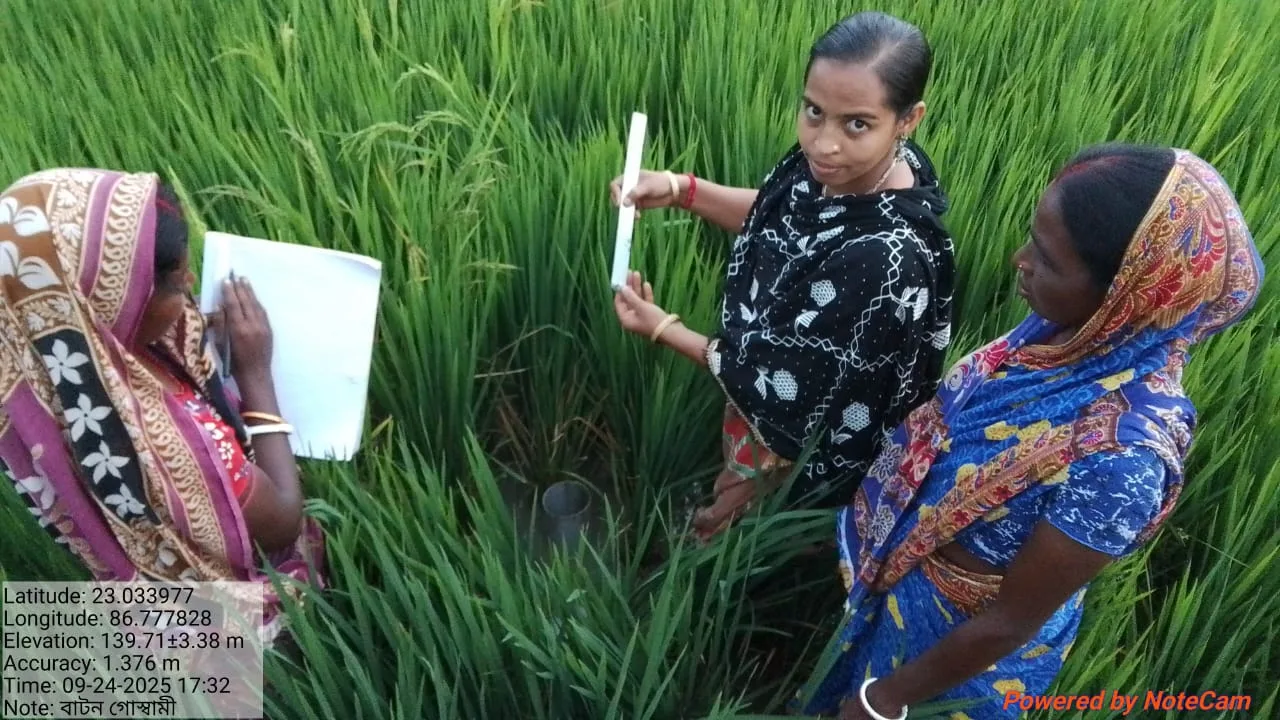
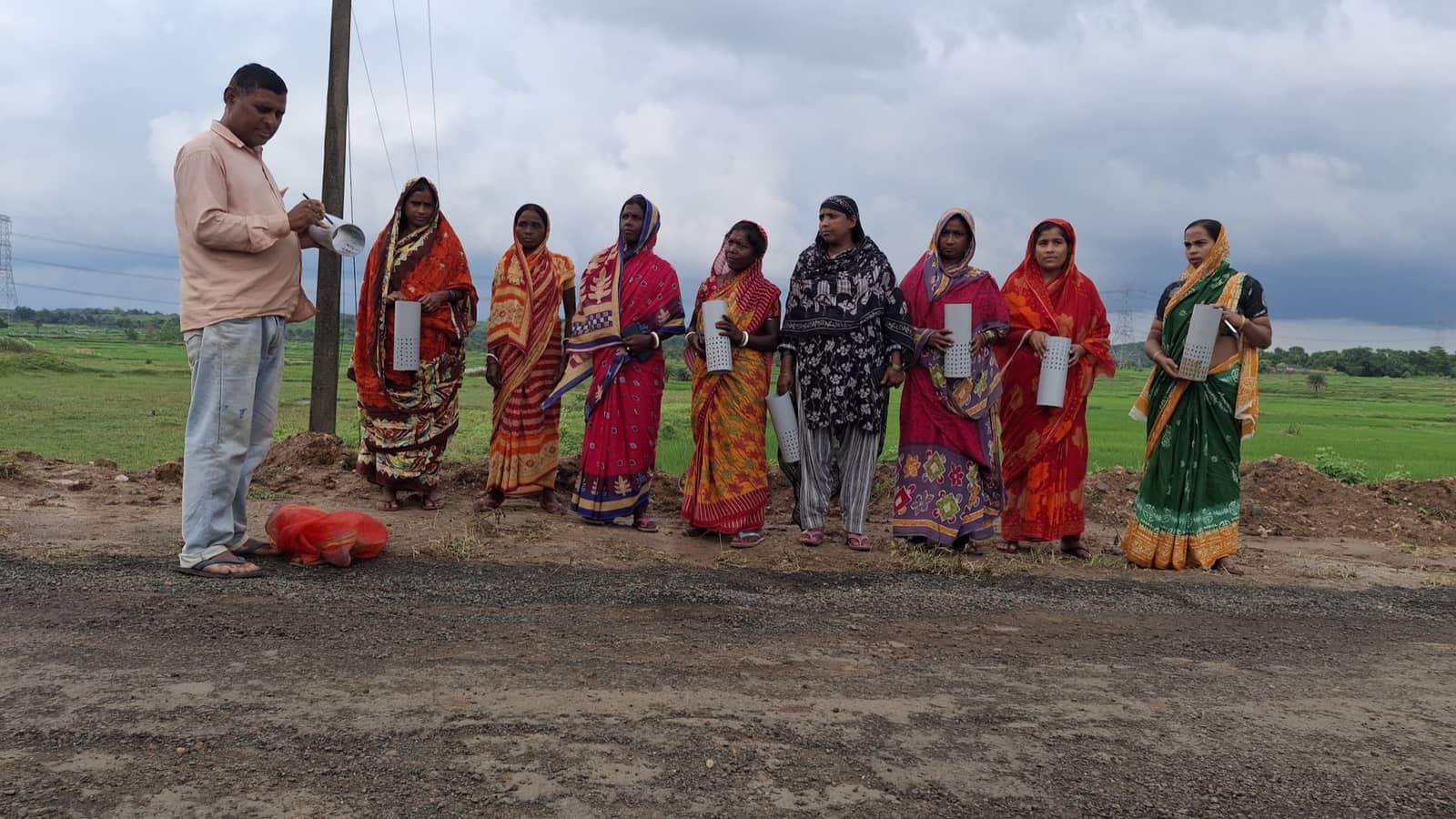
- Piloted tube-based water-level monitoring, training farmers to irrigate only when water dropped to a safe threshold
- Paired AWD with natural inputs (Jeevamrit, Neemastra, Agneyastra) to replace chemical fertilisers and pesticides
- Installed yellow sticky traps to track pest pressure under different water regimes
- Compared AWD and conventional plots on irrigation frequency, fuel use, and yield
- Captured baseline farmer attitudes toward water management to guide the Rabi-season scale-up
Voices from the field
Before, we lost a big share of our stored grain to rats every year. Now, with traps and burrow sealing, we are seeing far less damage in our homes it has reduce by more than 50 percent.
We used to think the field always needed standing water. Now we understand water levels can be managed – and it saves both water and money and reduce pest attack as well.
Earlier our bunds were useless, only grass grew there. Now we have pigeon pea giving us extra income, and acacia that will give us fuel wood and leaves for compost in future. The hedges also protect our paddy from wind and lodging.
Success story
From Idle Bunds to a Second Harvest
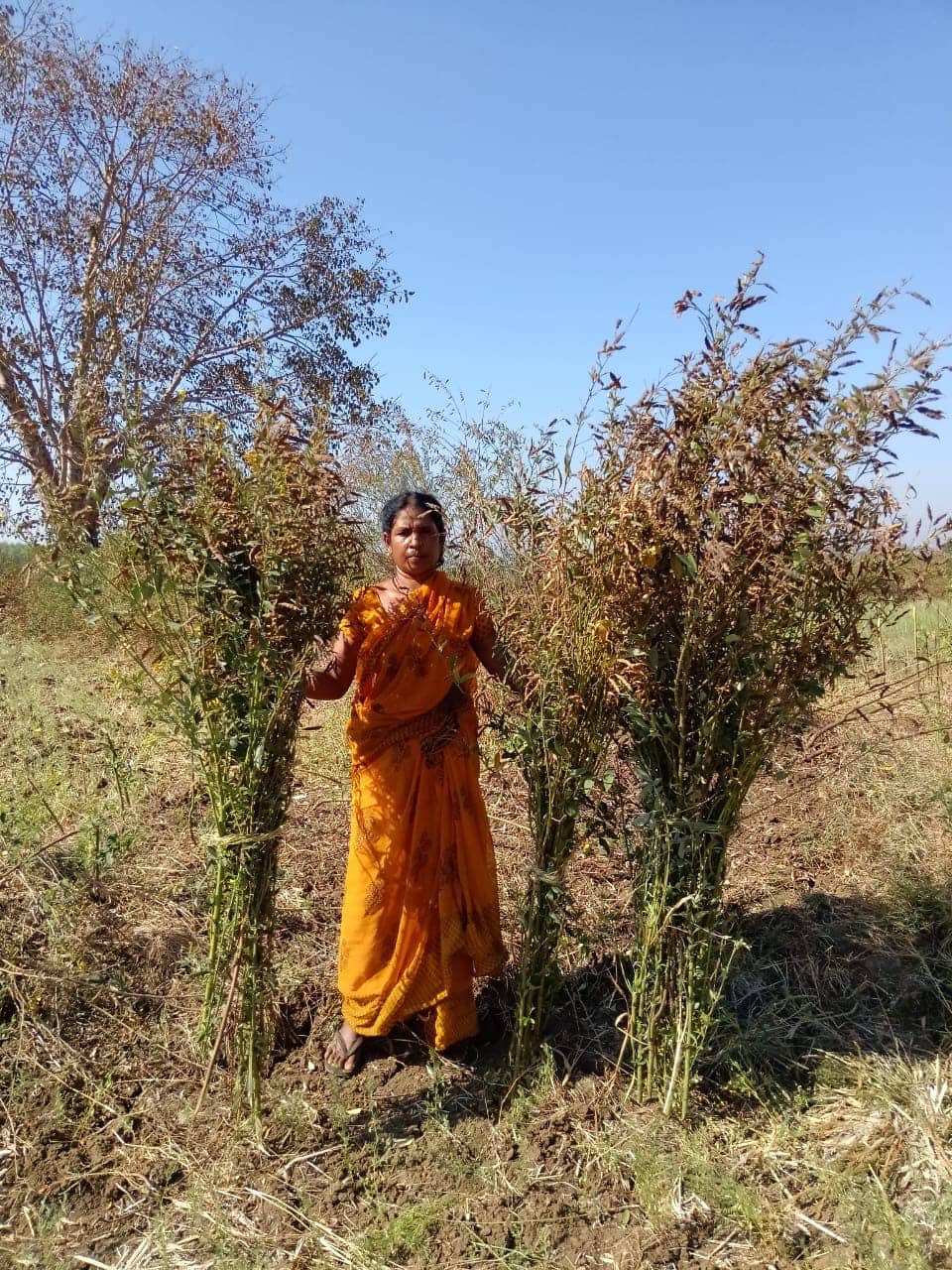
For years, the field bunds on Suhaniya Durvey's land in Dudhera village lay bare. "The bunds were unused - we never grew anything there," Suhaniya recalls. Like most farmers in the area, she saw them simply as edges, not as land with any value of their own. That changed when pigeon pea was introduced along the bunds under the hedge intervention. In the very first season, Suhaniya harvested around 120 kg of pigeon pea from what used to be wasted space enough to cover her household's entire annual requirement. The leaves were composted and returned to the field, adding natural manure to the soil. The benefits went beyond the harvest. The hedges helped retain moisture in the field through dry spells, and cut wind speed enough to stop her paddy from lodging - a problem that hit several neighbouring, unprotected fields hard that season.
Encouraged by the results, Suhaniya now plans to expand the practice next season and is already helping other farmers in her village take it up. Looking ahead, the acacia trees planted alongside will mature into a lasting source of fuelwood and timber – turning once-idle bunds into a source of food, income, and resilience for her family.
Other fields saw their paddy fall due to wind, but ours stood because of the hedges.
Suhaniya Durvey · Dudhera village, Samnapur block, Dindori, Madhya Pradesh
Impressions