
Flagship project
Advancing the Circular Economy in the Philippines
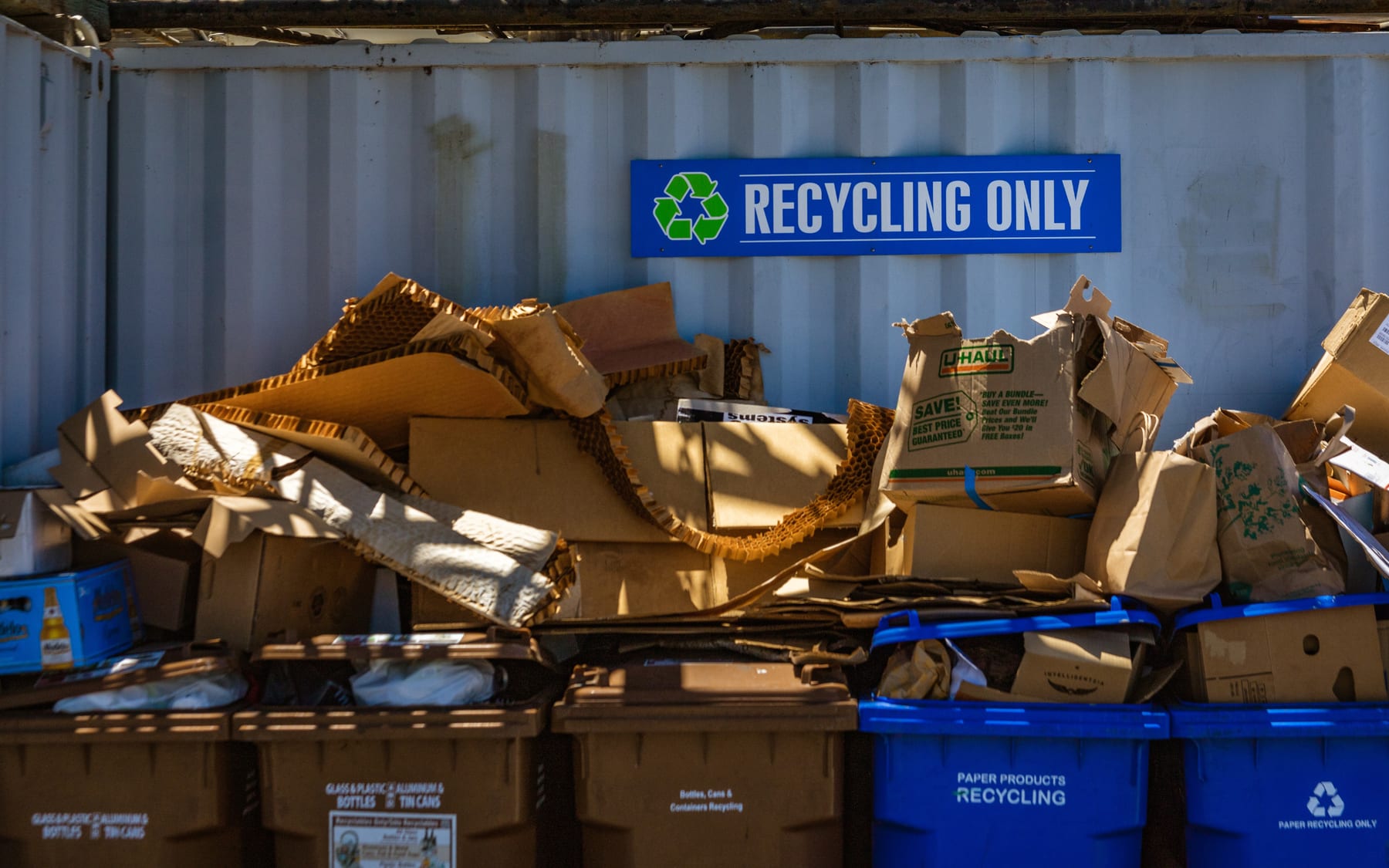
The Philippines 3R pilot combines municipal waste planning, value-chain analysis and inclusive recycling support to reduce plastic leakage and expand circular opportunities.
Municipalities can strengthen collection and recycling services and reduce the amount of plastic reaching the environment. Informal waste workers may gain clearer routes into safer and more formal economic activity, while processors and recyclers benefit from better-organised material flows. Communities stand to experience cleaner surroundings and more dependable services. A more coordinated 3R system reduces leakage while creating safer and more stable participation in the recycling economy.
The challenge
Recycling in the Philippines remains constrained by fragmented municipal systems, plastic leakage and limited formal opportunities for people working in the informal waste sector. Municipal systems need practical models that reduce leakage, strengthen recovery and create safer, more stable opportunities for people already earning a living from recyclable materials.
Our goal
The Philippines 3R pilot builds a more coherent system for reducing, reusing and recycling plastic. It aims to improve municipal coordination and collection while opening more formal and inclusive opportunities for people who currently work within fragmented or informal waste value chains.
Our approach
Baseline assessment establishes how waste and plastic are currently managed. Pre-feasibility work tests possible improvements, and circular-economy planning sets a direction for municipalities and value-chain actors. Analysis follows material from collection through processing and recycling, allowing support to target practical bottlenecks and identify where informal workers can participate more effectively.
Key highlights
- The pilot will provide a shared evidence base, pre-feasibility findings and an integrated plan for waste and plastic management.
- Value-chain analysis identifies weaknesses that are invisible when collection, processing and recycling are examined separately.
- The inclusion dimension ensures that proposed systems consider livelihoods as well as material recovery.
Success story
A plastic item has many possible destinations after use: recovery, reuse, recycling, uncontrolled disposal or leakage into the environment. The Philippines pilot examines the system that determines which path it takes. Baseline data reveals current flows, pre-feasibility work tests solutions and value-chain analysis identifies where collection or processing breaks down. Municipal planning creates a common direction, and inclusion efforts recognise the people whose livelihoods already depend on recovering material. For the Philippines, success lies in a chain that works better from beginning to end. More plastic can remain in productive use, communities can experience less leakage and informal workers can find safer, more recognised opportunities within a growing circular economy.