
Flagship project
Financing Participatory Local Investment in Mali
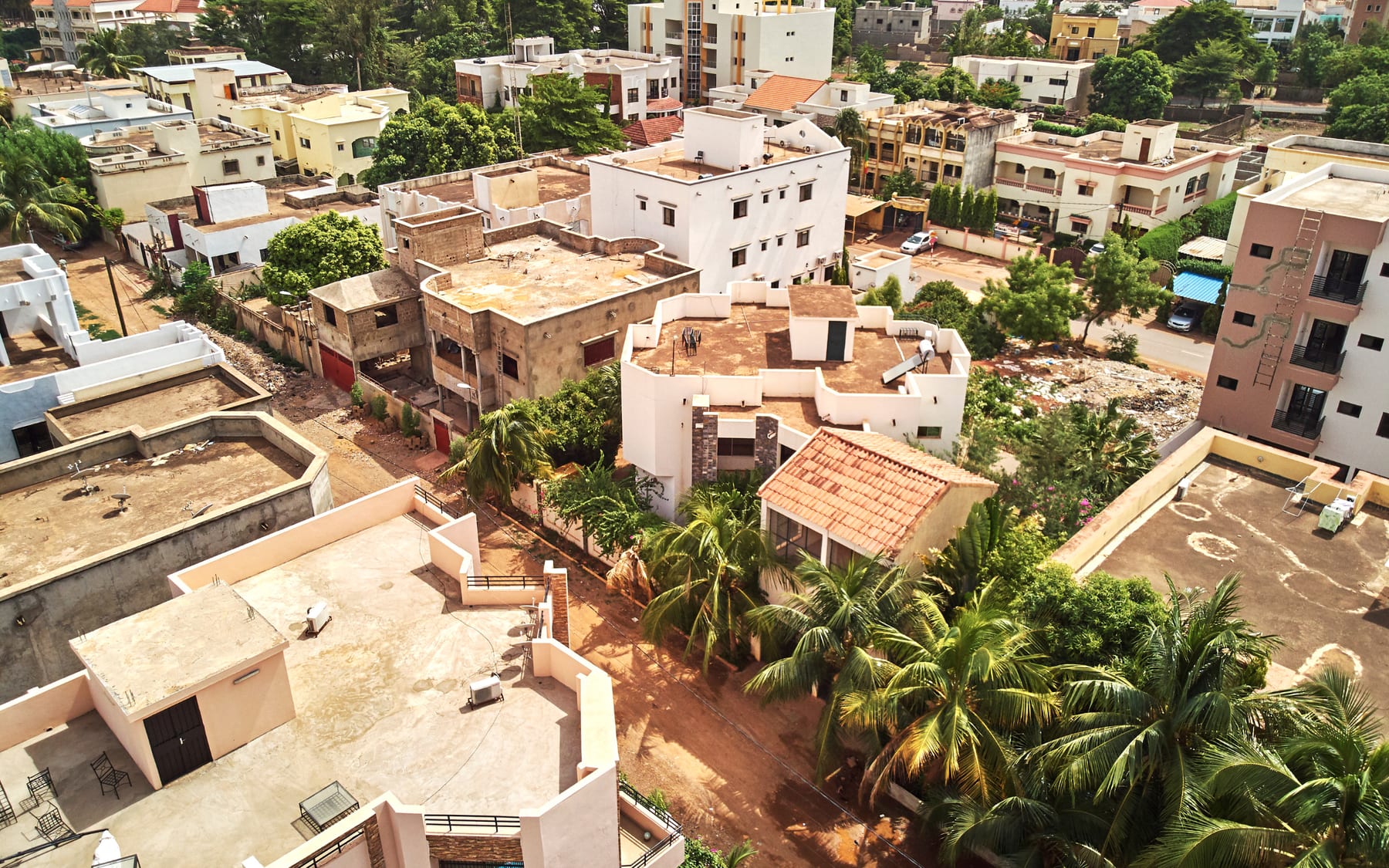
PACT III-IV helped Malian cities and communes turn participatory priorities into accountable public investments despite severe access and security constraints.
The challenge
Decentralisation can only improve daily services when local authorities have finance, technical support and public trust. In Mopti, Ségou and Timbuktu, investment planning also had to cope with insecurity, restricted site access and the need to prevent local choices from aggravating conflict or exclusion.
Our goal
Stronger local authorities were to emerge through infrastructure selected with residents and financed through transparent agreements. Four cities and ten communes would gain both public assets and practical experience in preparing, implementing and maintaining investments under difficult operating conditions.
Our approach
Participatory processes identified priorities before project files, financing agreements, designs, tenders and environmental and social assessments were prepared. Construction and maintenance were followed through local and remote arrangements, with monitoring adapted to security constraints. Institutional support helped councils manage each stage of the investment cycle.
Impact in numbers
Cities and communes can deliver infrastructure that residents recognise as relevant, while learning how to manage finance, procurement and maintenance more consistently. Inclusive planning may reinforce trust between authorities and communities. Adaptive monitoring also protects investment quality and public value in locations where insecurity would otherwise make accountable delivery exceptionally difficult.
Key highlights
- Mopti and Ségou, together with two other cities, received allocations of about EUR 1 million each, while ten communes in Mopti and Timbuktu received around EUR 200,000 apiece.
- Remote monitoring allowed oversight to continue where direct access was unsafe, and participatory selection grounded expenditure in locally expressed needs.
Success story
In a secure environment, visiting a construction site may be routine; in parts of Mali it can be impossible for long periods. PACT III-IV adapted without abandoning accountability. Communities and councils first identified priorities, then technical teams converted them into project files, safeguards and tenders. Financing agreements clarified responsibility, and remote monitoring helped follow works when physical access was restricted. This allowed local investment to continue while recognising the realities of conflict. The deeper value lies in the capacity created around each asset: councils practise managing a full project cycle, residents see how participation influences spending and maintenance is considered from the start. These foundations can strengthen local governance even when the operating context remains uncertain.