
Flagship project
Developing the 7.5 MW Djenné Run-of-River Hydropower Scheme
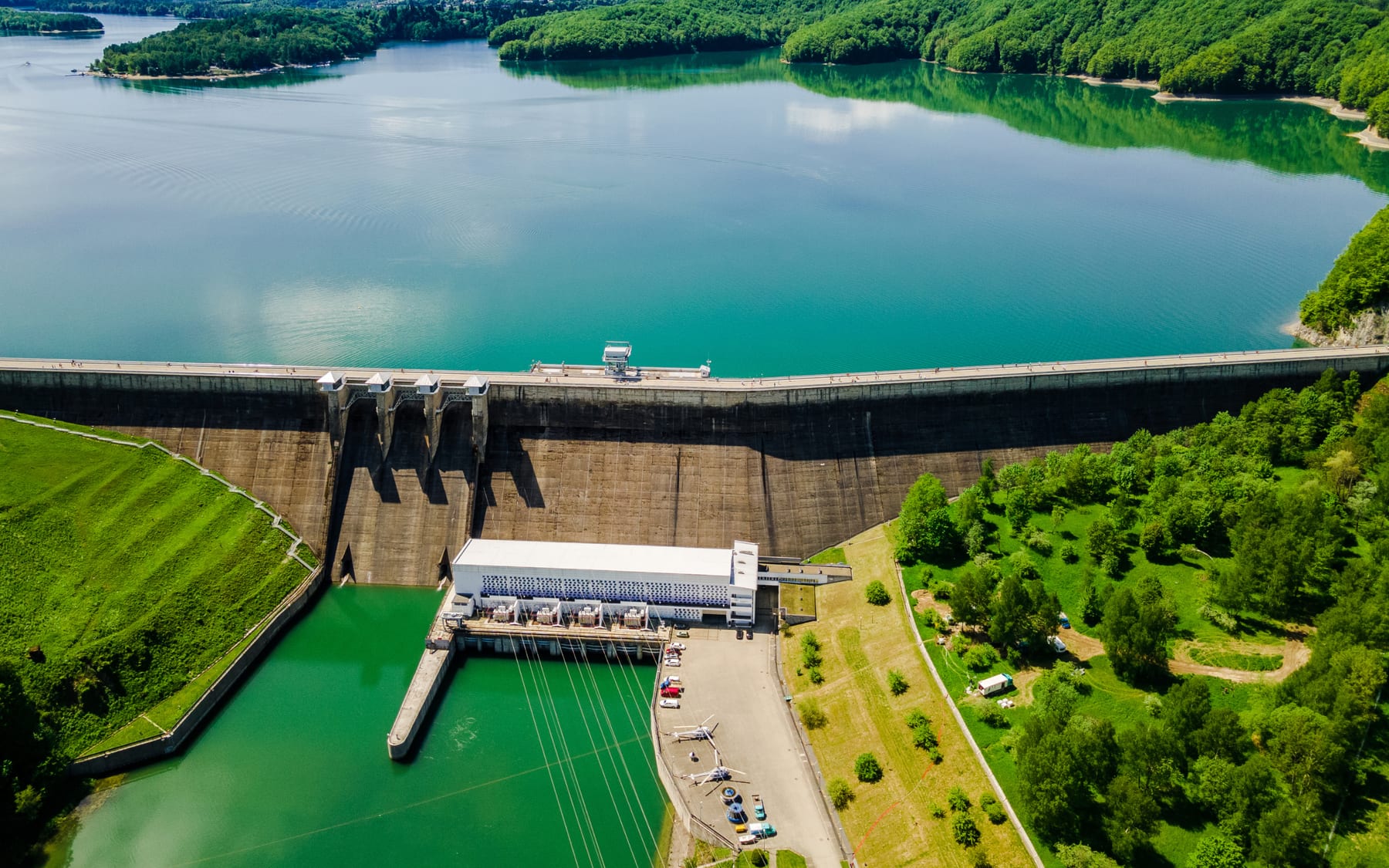
The Djenné scheme combines a 7.5 MW run-of-river plant with distribution networks to expand cleaner electricity in rural and peri-urban Mali.
The challenge
A hydropower scheme must coordinate civil works, electro-mechanical equipment and local distribution while protecting river conditions and nearby communities. The Djenné project also required updated designs, clear contracts and close construction oversight to convert a planned plant into dependable electricity service.
Our goal
The project is intended to establish a 7.5 MW run-of-river hydropower source and deliver its electricity through associated networks. By serving rural and peri-urban areas, the scheme aims to widen access to clean power and support local social and economic activity.
Our approach
Designs and tender documents are reviewed and updated before procurement and contract award. Construction is supervised across the plant and distribution system, with environmental and social management integrated into site control. Testing, commissioning, operational preparation, staff training and warranty follow-up support a safe transition into service.
Impact in numbers
Locally generated renewable electricity can improve supply for communities around Djenné and reduce dependence on more carbon-intensive alternatives. Distribution investment ensures that generation capacity can translate into actual connections. Careful safeguards and operational preparation are essential to securing those long-term benefits while managing the river environment and local interests responsibly.
Key highlights
- Five Kaplan S units form the 7.5 MW plant, matching a low-head run-of-river setting.
- The assignment covers both generation and the networks required to reach users, avoiding a disconnect between the plant and service delivery.
- O&M preparation and training extend the focus beyond completion of civil works.
Success story
Hydropower creates public value only when water, machinery and distribution operate as one chain. At Djenné, five Kaplan units are planned to convert river flow into electricity, but the associated networks are what carry that energy into rural and peri-urban life. The project follows the chain from design and tendering through construction, testing and operator preparation. Environmental and social management remains part of site delivery rather than a separate report. When the plant is commissioned and local teams are ready to operate it, the scheme can provide a renewable source rooted in the region's own water resource. Its success would be visible in dependable electricity reaching households, services and enterprises beyond the powerhouse itself.