
Flagship project
A New Long-Term Electricity Plan for Libya
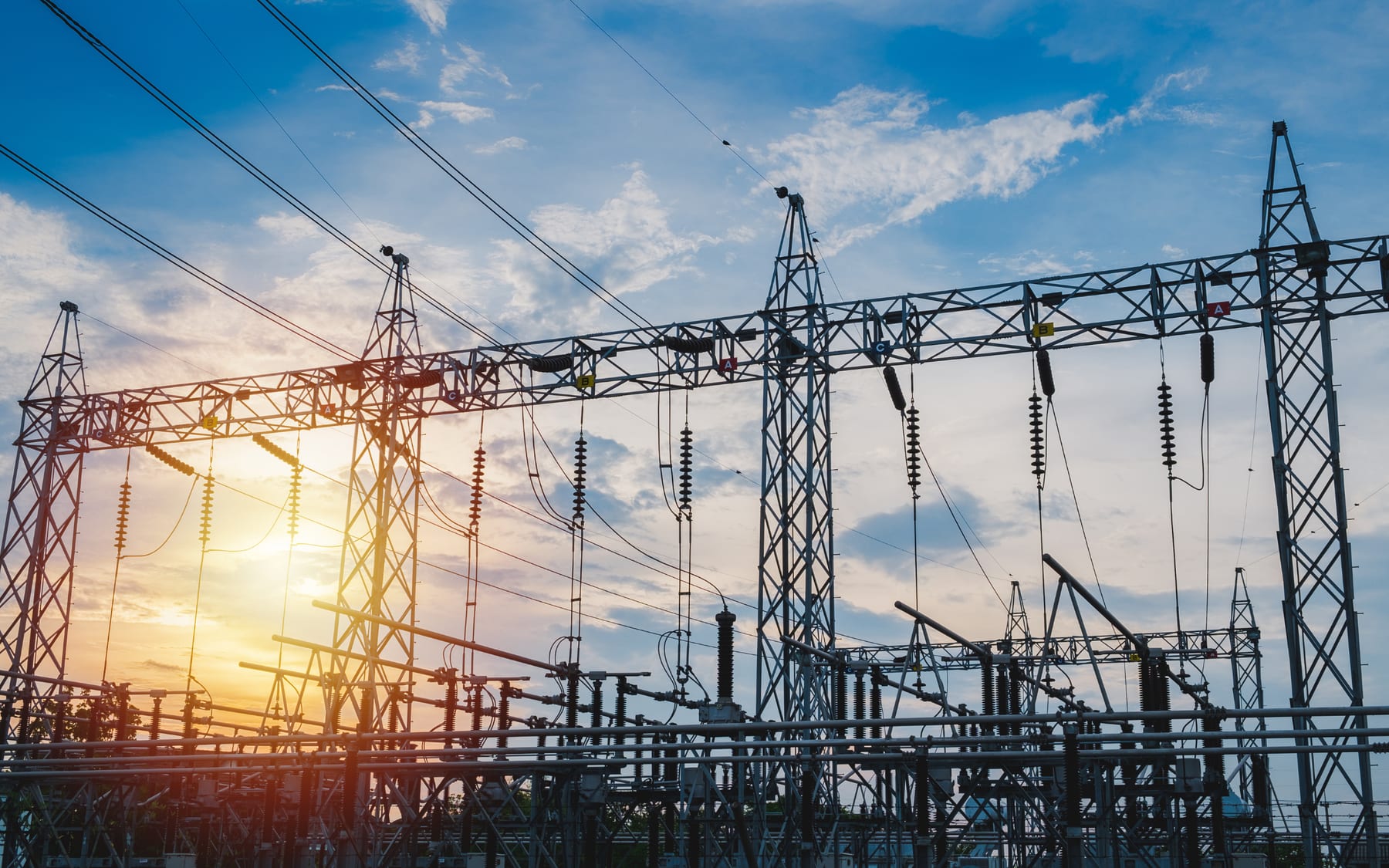
Libya's updated master plan aligns electricity demand, generation, sub-transmission and distribution investment within a coordinated pathway from 2023 to 2040.
A coordinated plan can help Libya avoid mismatched investments and focus scarce resources on assets that collectively improve supply. The utility gains a common basis for evaluating proposals, timing reinforcements and communicating priorities. Better alignment between generation and delivery networks can ultimately support more dependable electricity for households, services and productive activity.
The challenge
The electricity system needs a current view of future demand and the assets required to meet it across several network levels. Planning generation, sub-transmission and distribution separately would obscure critical dependencies and could leave capacity in the wrong place or at the wrong time.
Our goal
The master-plan update is intended to give Libya a coherent investment framework for the period to 2040. It will help the national utility compare development scenarios, identify priority capacity and coordinate expansion across power supply and the networks serving end users.
Our approach
Alternative load forecasts establish the range of electricity demand that the system may face. Generation-expansion planning then examines how supply can respond, while sub-transmission and distribution studies identify the reinforcements needed to move power reliably to consumers. The connected models allow decisions at one level to be tested against consequences elsewhere in the system.
Key highlights
- Coverage extends from national generation choices to the networks closest to customers.
- Multiple demand scenarios prevent the plan from relying on a single future, and the 2023-2040 horizon allows immediate priorities to be placed within a longer sequence.
- The integrated structure supports consistent assumptions across planning departments.
Success story
An electricity system can have sufficient generation on paper and still struggle if substations or distribution networks cannot carry that power to users. Libya's updated plan addresses this interdependence directly. It starts with plausible demand futures, determines how the generation mix might respond and traces the resulting requirements through sub-transmission and distribution. Decision-makers can therefore see whether a proposed power plant creates a network bottleneck or whether local reinforcement should arrive first. This whole-system perspective turns a list of possible investments into an ordered strategy. Used consistently, the plan can help GECOL align departments, test new information and direct future projects towards the parts of the system where they create the greatest combined value.