
Flagship project
Restoring 17.2 MW of Hydropower Capacity on Lebanon's Nahr El-Bared
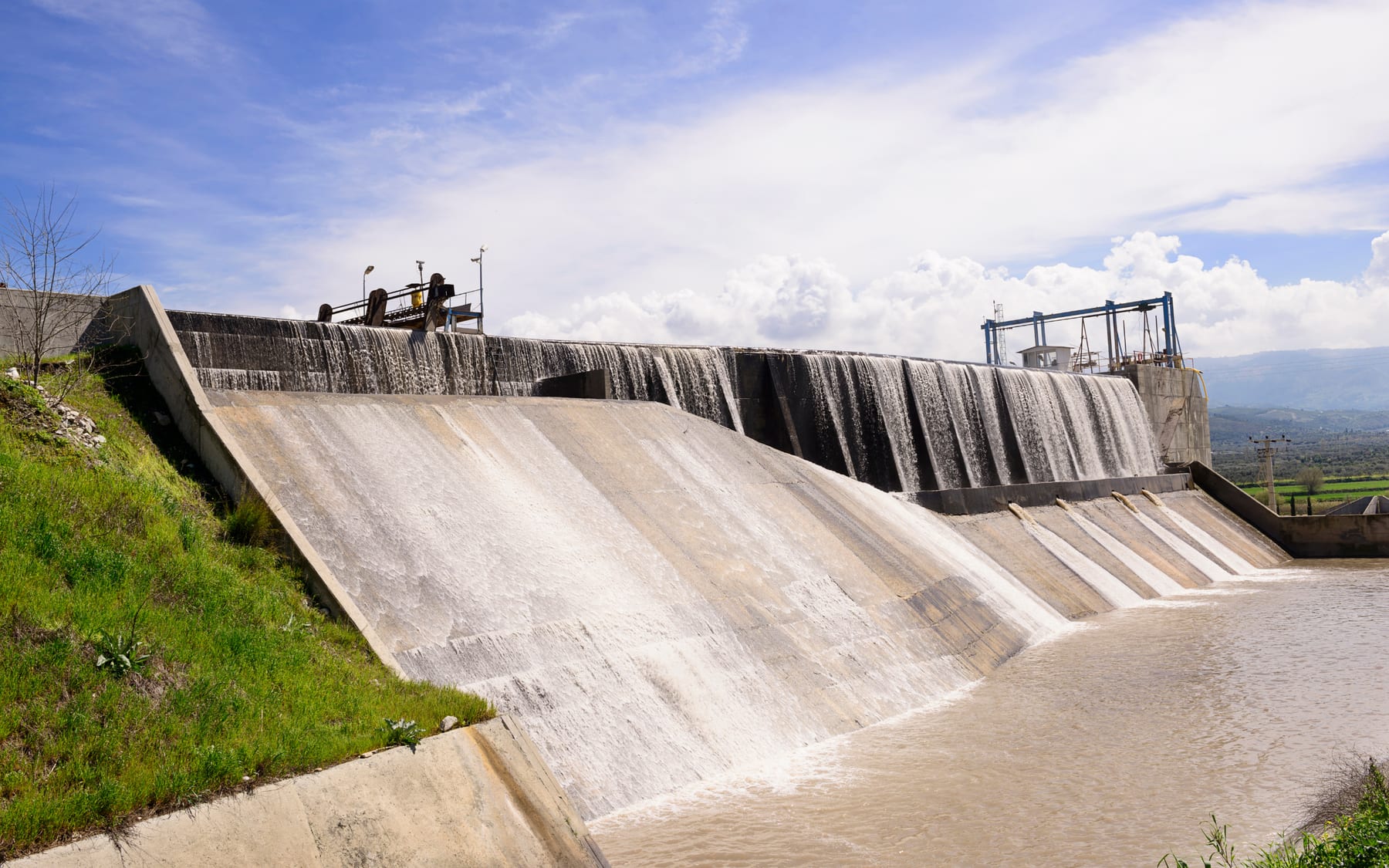
Lebanon's Nahr El-Bared programme will rehabilitate two hydropower plants with a combined capacity of 17.2 MW and return them to dependable service.
The challenge
Restoring older hydropower facilities requires a clear understanding of hidden equipment conditions and the river system around them. El Bared 1 and 2 need investigations, dismantling and technical choices that balance rehabilitation value, safety, environmental responsibility and future operating performance.
Our goal
The programme is designed to recover 13.5 MW at El Bared 1 and 3.7 MW at El Bared 2, renewing a combined 17.2 MW of domestic hydropower capacity. Its purpose is to return existing renewable assets to reliable operation through carefully selected rehabilitation measures.
Our approach
Investigations are combined with controlled dismantling and reassembly to reveal equipment condition. Alternative rehabilitation options are compared through feasibility and environmental and social assessment before detailed designs and procurement documents are prepared. Construction supervision, factory testing, quality control and commissioning carry the selected solution into operation.
Impact in numbers
Recovering capacity from existing plants can add renewable electricity without creating an entirely new generation site. Reliable operation at El Bared 1 and 2 would make better use of established infrastructure and local water resources. Careful assessment and supervision also help ensure that rehabilitation choices provide durable value rather than temporary repairs.
Key highlights
- Two plants are addressed within one river-based programme, allowing decisions to consider their combined 17.2 MW contribution.
- The sequence from investigation to option appraisal reduces the risk of specifying works before existing conditions are known.
- Factory and site quality processes remain connected through final commissioning.
Success story
Rehabilitation often begins with uncertainty hidden inside equipment that has operated for many years. At Nahr El-Bared, the project addresses that uncertainty by investigating, dismantling and examining plant components before deciding how each should be renewed. Feasibility work and environmental assessment help compare alternatives, while detailed design converts the preferred option into a buildable scope. Factory tests and site supervision then verify quality before the two plants return to service. The positive outcome would be the recovery of 17.2 MW from assets Lebanon already has: turbines, structures and river infrastructure given a renewed operating life and a clear role in the country's supply of domestic renewable electricity.