
Flagship project
Connecting Local Infrastructure, Employment and Social Cohesion in the DRC
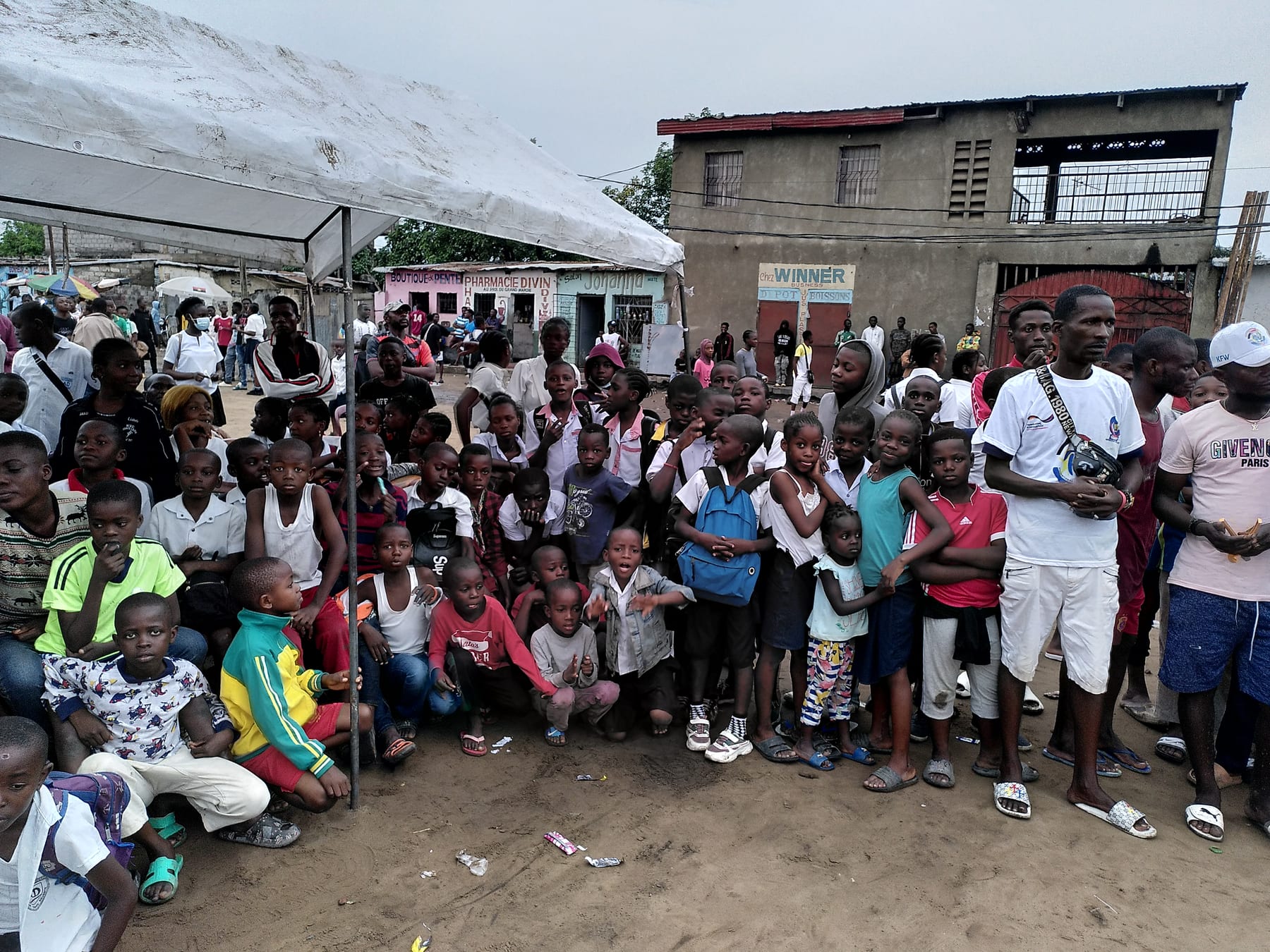
Two connected programmes combined community infrastructure, local employment and youth-focused prevention to strengthen stability and social cohesion in the Democratic Republic of the Congo.
The challenge
In conflict-affected settings, infrastructure choices can reinforce trust or deepen tension depending on who participates and benefits. Eastern communities needed visible economic and social investment, while vulnerable neighbourhoods in Kinshasa required constructive opportunities for young people and stronger local mechanisms for preventing violence.
Our goal
Peace Fund III aimed to support stabilisation through locally selected infrastructure and employment, while the juvenile-violence programme focused on youth opportunity and social cohesion in Kinshasa. Together, they sought to strengthen communities through investments shaped by participation, fairness and conflict sensitivity.
Our approach
Programme and fund management guided project selection, design, tendering and construction supervision. Environmental, social, safety and do-no-harm criteria were applied alongside capacity building, cadastral support and public communication. Youth facilities and vocational measures were combined with participation, while remote monitoring maintained oversight where access was difficult.
Impact in numbers
Communities can gain useful public assets and short-term employment while taking part in decisions that affect their surroundings. Young people may find safer spaces, skills and alternatives to violence. When investments are selected transparently and implemented with do-no-harm principles, they can strengthen trust and demonstrate that local development is possible even in fragile contexts.
Key highlights
- The source identifies EUR 70 million for Peace Fund III and EUR 10 million for juvenile-violence prevention.
- Infrastructure, jobs and youth participation were treated as connected pathways to stability.
- Remote monitoring and conflict-sensitive selection allowed delivery controls to continue in settings where security and access could change rapidly.
Success story
A new facility or public space can become either a source of shared value or another point of contention. The difference often lies in how priorities are chosen, whose voices are heard and whether benefits reach the people most affected by instability. In the DRC, the two programmes connected technical delivery with participation and conflict sensitivity. Eastern communities could shape infrastructure and gain employment, while youth-focused measures in Kinshasa offered spaces and skills intended to reduce the pull of violence. Cadastral work, safeguards and remote monitoring supported accountable implementation. The positive story is not a building in isolation, but a process through which practical local improvements can reinforce dignity, opportunity and social cohesion.