
Flagship project
Improving Water Security and Wastewater Management in Zanzibar
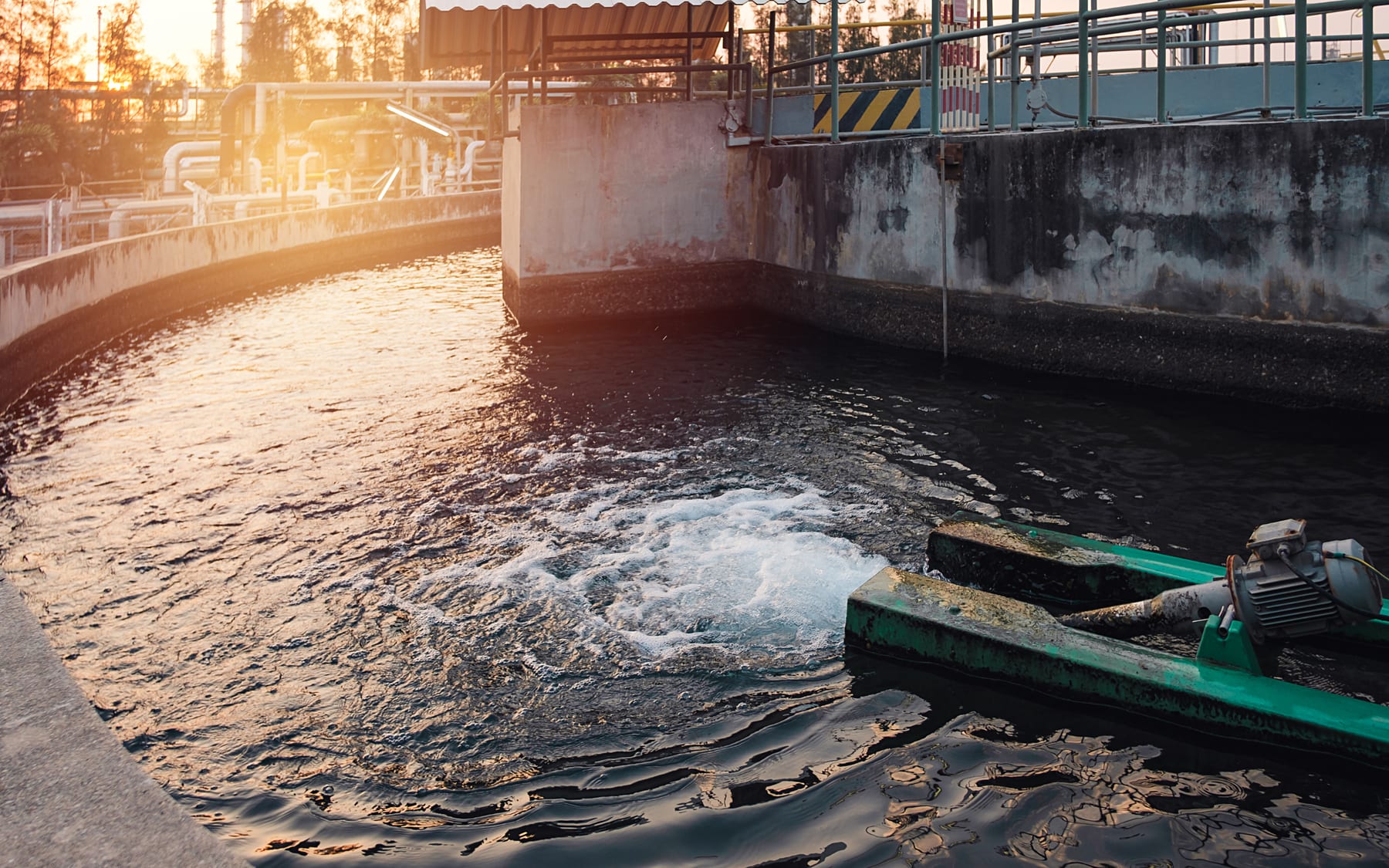
ZanziWaS strengthens the governance, regulation and operational management required to improve water security and sustain water and wastewater services across Zanzibar.
Water utilities and public institutions can make decisions within a clearer regulatory framework and with better information on performance. More realistic cost recovery can support maintenance and service continuity, while water-saving measures help protect limited resources. Customers stand to benefit from more reliable and sustainably managed services. Stronger governance and operational practice provide the foundation for water and wastewater services that remain reliable as Zanzibar’s needs evolve.
The challenge
Zanzibar needs stronger governance, regulation, cost recovery and technical management to improve water security and deliver sustainable water and wastewater services. Lasting improvement depends on clear institutional responsibilities, reliable sector information and service arrangements that combine affordability with financial and operational sustainability.
Our goal
ZanziWaS establishes a more accountable, technically capable and financially workable water sector for Zanzibar. It seeks to clarify the rules under which services are managed, improve institutional performance and support conservation, allowing Zanzibar to respond more effectively to water scarcity while maintaining access to essential services.
Our approach
Legislation is updated to provide a sound basis for sector responsibilities, followed by support to regulatory institutions responsible for applying it. Tariff guidance addresses cost recovery, while improved monitoring and enforcement strengthen accountability. Water-saving measures and institutional capacity development connect the governance reforms with practical resource management.
Key highlights
- The reform package includes modernised legal provisions, stronger regulatory arrangements, tariff guidance and improved oversight systems.
- Conservation is treated as a service-management issue rather than a separate awareness topic.
- Training and institutional development help ensure that the new framework can be administered after the project period.
Success story
Water security on an island depends as much on institutions as on infrastructure. When rules are unclear, monitoring is weak or revenues do not cover essential operations, services deteriorate and scarce water is harder to protect. ZanziWaS addresses those underlying systems. Updated legislation defines responsibilities; regulation and enforcement improve accountability; tariff guidance supports more sustainable finance; and conservation measures reduce pressure on resources. Institutional training helps staff turn reforms into everyday practice. The positive change would be felt gradually: utilities able to plan and maintain services more reliably, authorities equipped to oversee performance, and customers benefiting from a sector that manages both water and wastewater with a longer-term view.