
Flagship project
Strengthening Tanzania's Grid for Reliable, Future-Ready Power
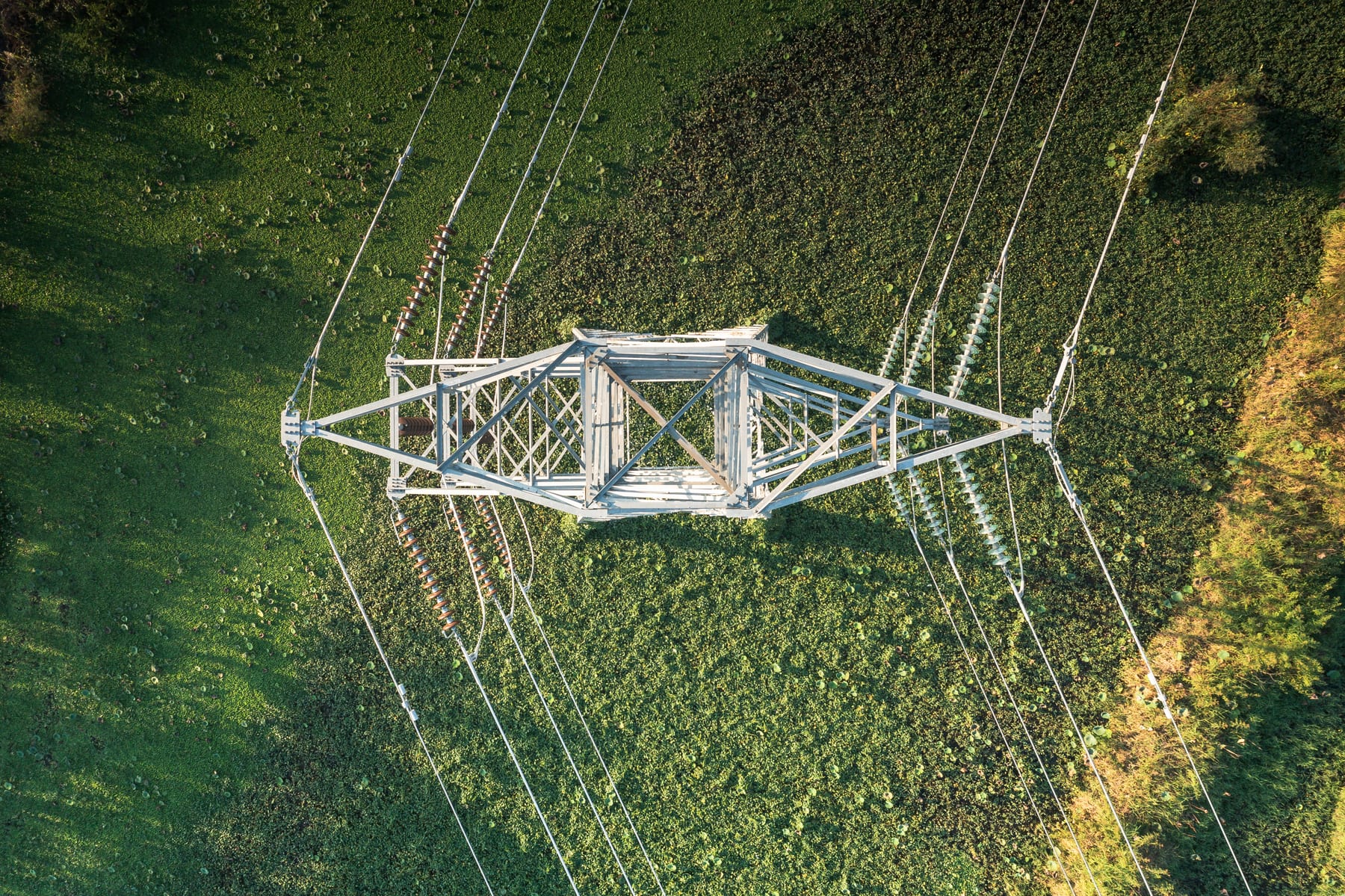
Comprehensive studies of TANESCO's expanding grid combine validated 2025 and 2030 system models, operational recommendations and specialist training to improve reliability, planning and renewable-energy integration across Tanzania.
The challenge
Tanzania's generating plants are concentrated in the east and southwest highlands, while major sensitive loads lie far to the northwest. At the same time, new 200 kV and 400 kV lines, the JNHPP hydropower plant and additional substations have expanded the grid's scale and complexity. These conditions increase the risk of instability during disturbances and intensify planning and operational demands.
Our goal
The project aims to establish a comprehensive technical basis for operating Tanzania's current network and planning the 2030 system. By examining power flows, fault levels, protection, stability, transients, ancillary services, SCADA control and grid-connection requirements, it seeks to improve overall performance, enable reliable renewable-energy integration and strengthen service for TANESCO customers.
Our approach
Network, substation, generation, protection and operational data are collected and validated through field work and engagement with TANESCO and the Ministry of Energy. Static and dynamic PSS®E models represent 2025 and 2030 conditions; PSS®CAPE supports short-circuit and relay studies; and EMTP models test switching and fault transients. The analysis also covers reactive compensation, contingencies, frequency control, reserves, SCADA integration and grid-code provisions. Findings are translated into operating measures, equipment recommendations, a remote-control roadmap and hands-on training for TANESCO engineers.
Impact in numbers
Validated 2025 and 2030 models give TANESCO a common evidence base for planning, operating and protecting an increasingly complex grid. The resulting measures can help reduce losses and outages, improve voltage and frequency performance, strengthen disturbance recovery and guide investment in compensation, protection, communications and control. Grid-code and SCADA roadmaps support more consistent generator-connection and remote-operation practices, including for renewable energy. Around 20 TANESCO engineers receive practical training: two weeks in PSS®E modelling, three weeks in PSS®CAPE protection studies and two weeks in EMTP transient analysis, helping embed the capability to maintain and update the work.
Key highlights
- The study spans the full range from steady-state operation to severe disturbances.
- Load-flow and contingency analysis tests normal, peak, off-peak and outage conditions.
- Protection work checks fault levels, equipment ratings and relay coordination, while stability studies examine governors, automatic voltage regulators, power system stabilisers, under-frequency load shedding, cascading failures and renewable-energy behaviour.
- EMTP analysis addresses switching surges, insulation coordination and mitigation.
- Recommendations cover reactive devices - including shunt reactors, capacitor banks, STATCOM and SVC - along with reserves, voltage support, black start, generator operating modes, SCADA-based control and stronger connection requirements.
- A Site Acceptance Test Checklist and Manual is also prepared for major transmission and generation equipment.
Success story
As Tanzania's network expanded, each new line, substation and generation asset added possibilities - and more interactions for electricity teams to understand. The project brings the system into a coordinated set of validated models. Engineers can explore everyday operation, equipment outages, faults, switching events and large disturbances before decisions are applied to the physical grid. The same evidence informs relay settings, reactive support, SCADA control and the rules for connecting generators. Through hands-on work with PSS®E, PSS®CAPE and EMTP, TANESCO engineers build the skills to repeat and update these analyses themselves. This turns a comprehensive study into a lasting in-house resource for safer operation, clearer investment choices and more resilient planning.