Flagship project
Four Phases of Inclusive Vocational Education Investment in Tajikistan
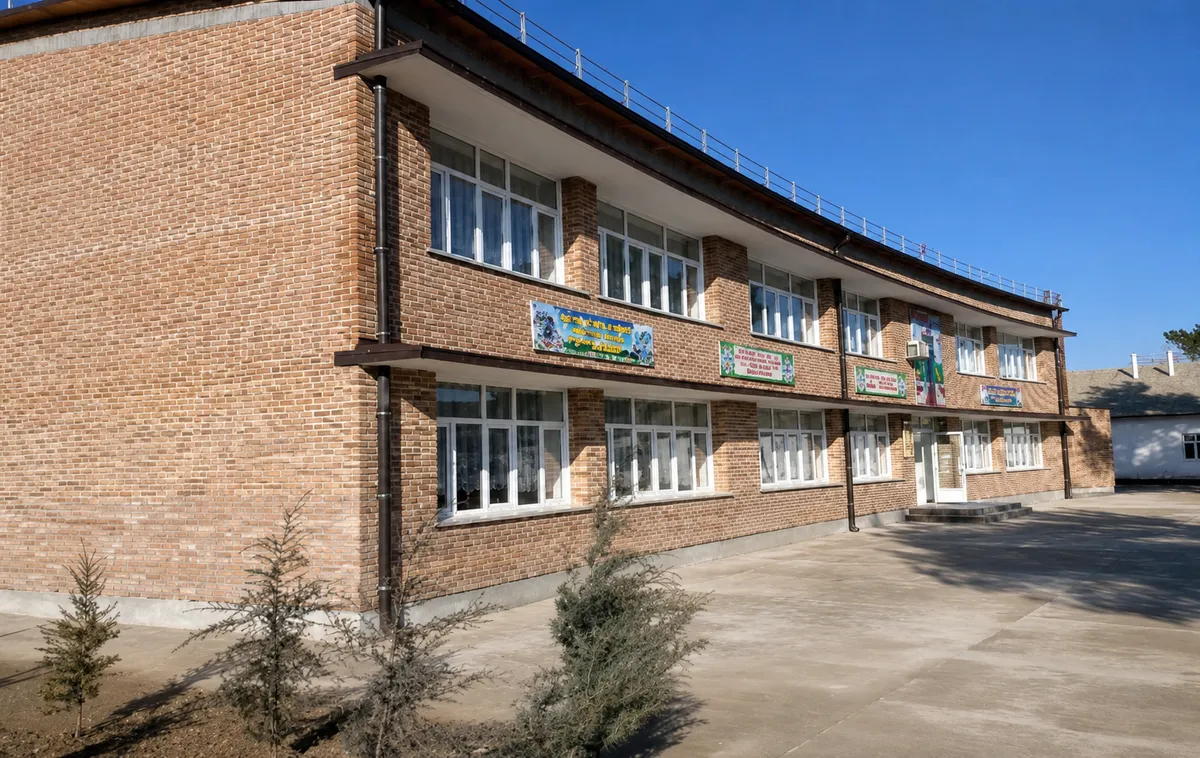
Across four phases, Tajikistan improved vocational and school infrastructure to expand practical education opportunities, especially for people facing economic disadvantage.
The challenge
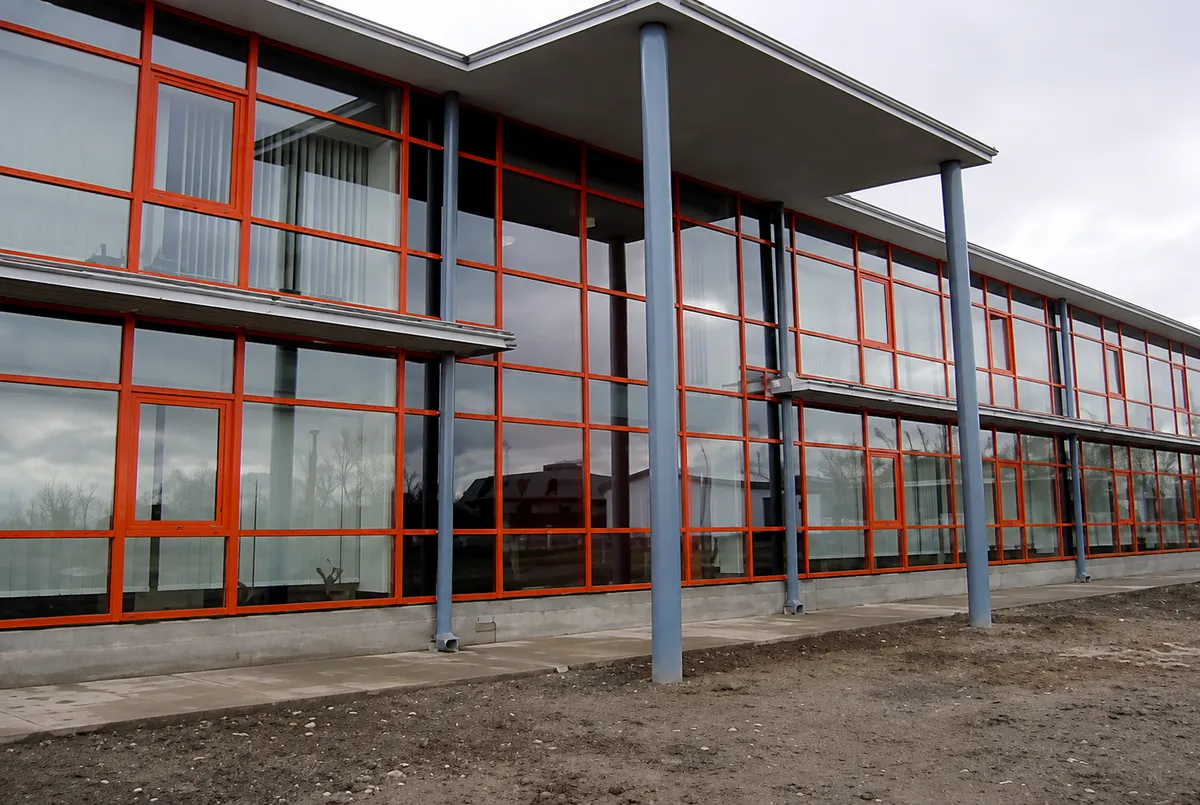
Many learners from poorer communities encountered facilities that were inefficient, poorly equipped or unable to provide dependable practical training. The investment had to address buildings and utilities while giving local institutions the procurement, maintenance and operational capability required to sustain repeated phases of improvement.
Our goal
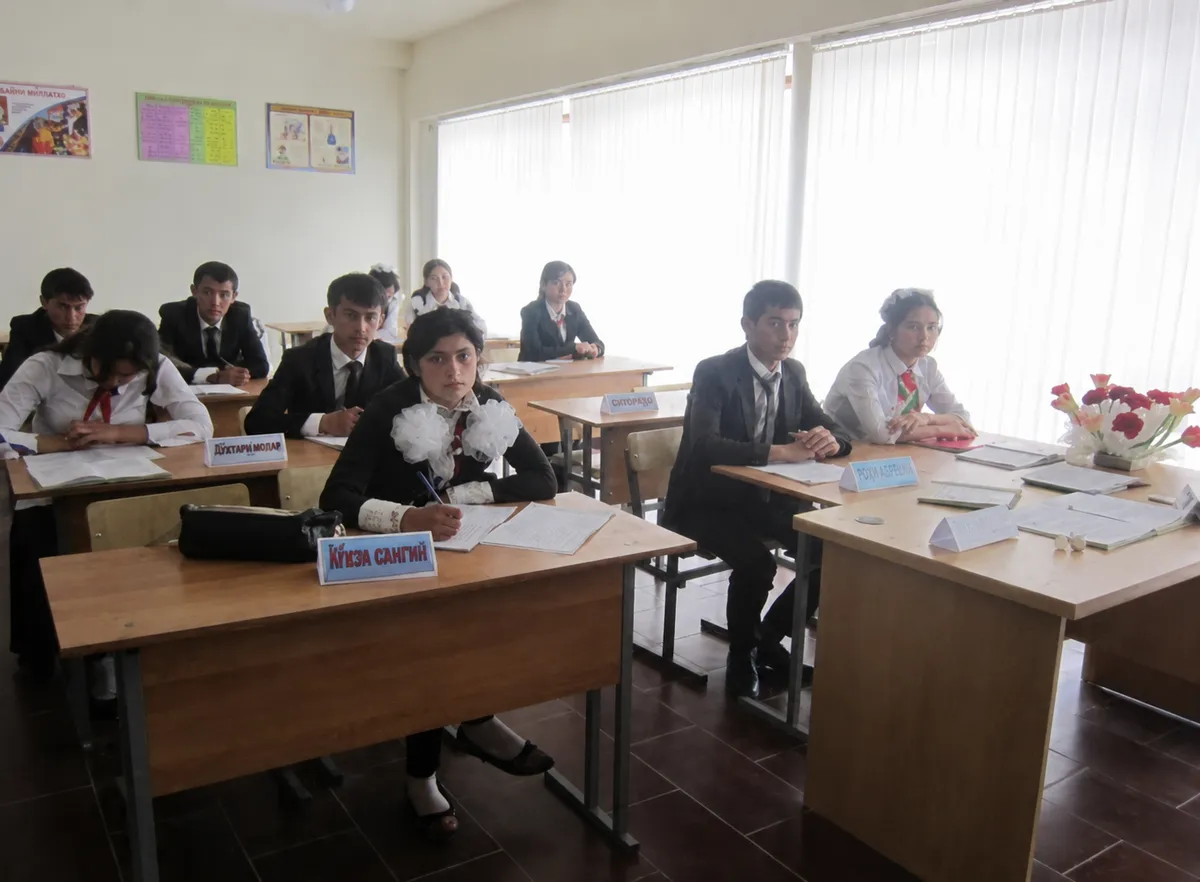
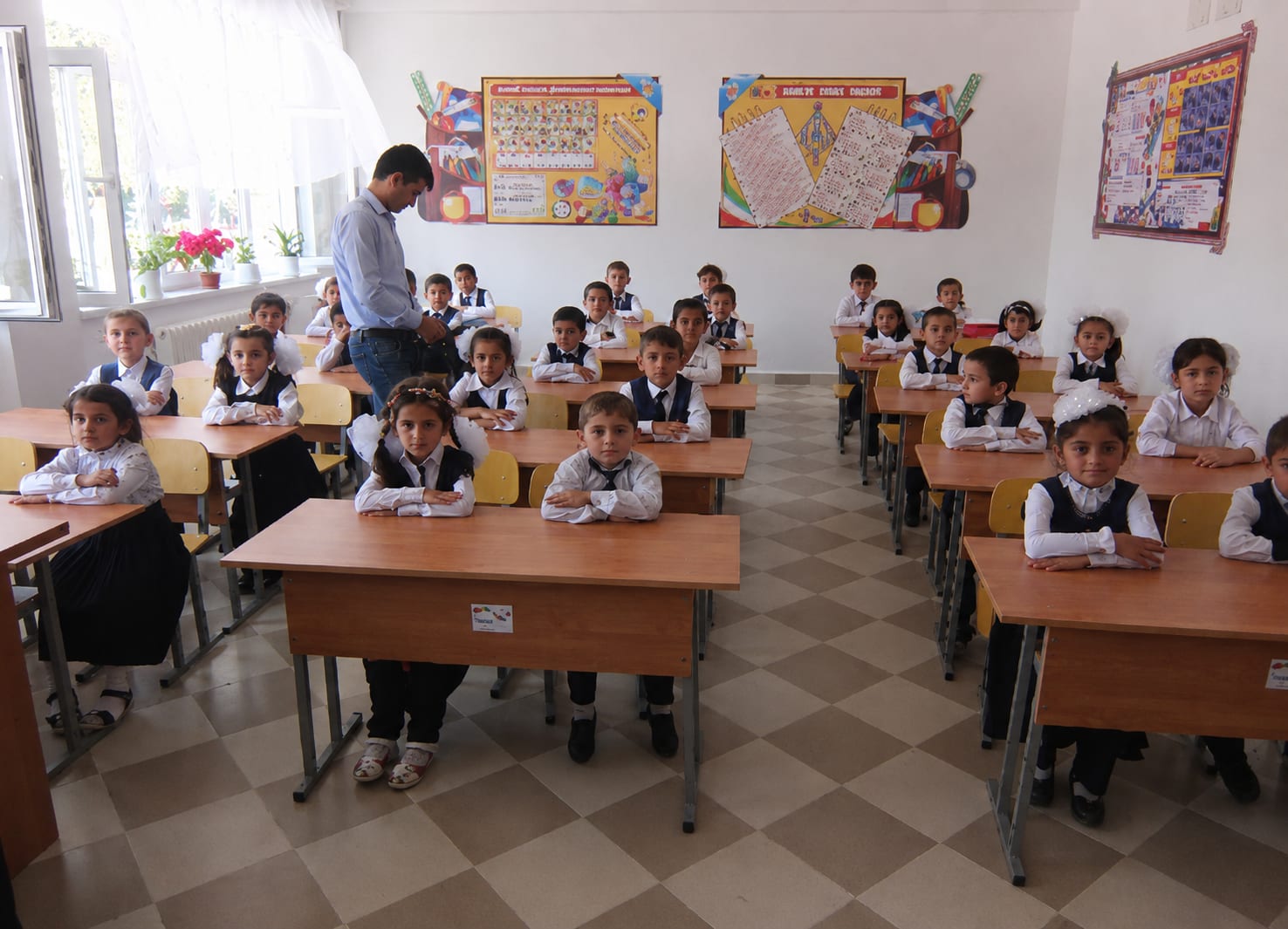
The four-phase programme sought to improve access to technical, vocational and general education for disadvantaged groups. It aimed to create functional, energy-conscious learning facilities that could support useful skills, safer study conditions and more equitable opportunities across participating locations.
Our approach
Needs and sites were selected before designs and tender packages were prepared or reviewed. Construction and equipment delivery were supervised, environmental and social frameworks guided implementation, and staff received operational and maintenance support. Four off-grid or alternative-energy pilots in Phase II explored solutions for facilities with constrained energy access.
Impact in numbers
Students can learn in safer and more functional surroundings, with practical facilities that make vocational education more meaningful. Energy-conscious buildings and alternative-supply pilots can reduce service constraints, while stronger maintenance capability protects earlier investments. The programme's long horizon also enabled lessons from one phase to inform the next, creating cumulative institutional value.
Key highlights
- Successive investments of approximately EUR 5 million, EUR 11 million, EUR 6 million and EUR 4 million allowed the programme to build experience across four phases.
- Energy efficiency was integrated into infrastructure choices, while the Phase II pilots tested alternative supply options.
- Manuals and training supported continued use after works completion.
Success story
Four phases created an opportunity to improve more than individual buildings. Early investments established methods for selecting needs, preparing designs and supervising works; later phases could build on that experience and widen the reach. Energy efficiency became part of the infrastructure response, and alternative-energy pilots explored how remote facilities might remain useful even where conventional supply was limited. Staff training and maintenance manuals addressed the period after construction, when everyday decisions determine whether a school continues to perform. For learners from disadvantaged communities, these details matter directly: a workshop with dependable services and functioning equipment offers a more realistic path to skills. Over fifteen years, the programme assembled those improvements into a broader platform for educational opportunity.
Impressions