
Flagship project
Expanding Electricity Access through Grid, Mini-Grid and Solar Solutions in South Sudan
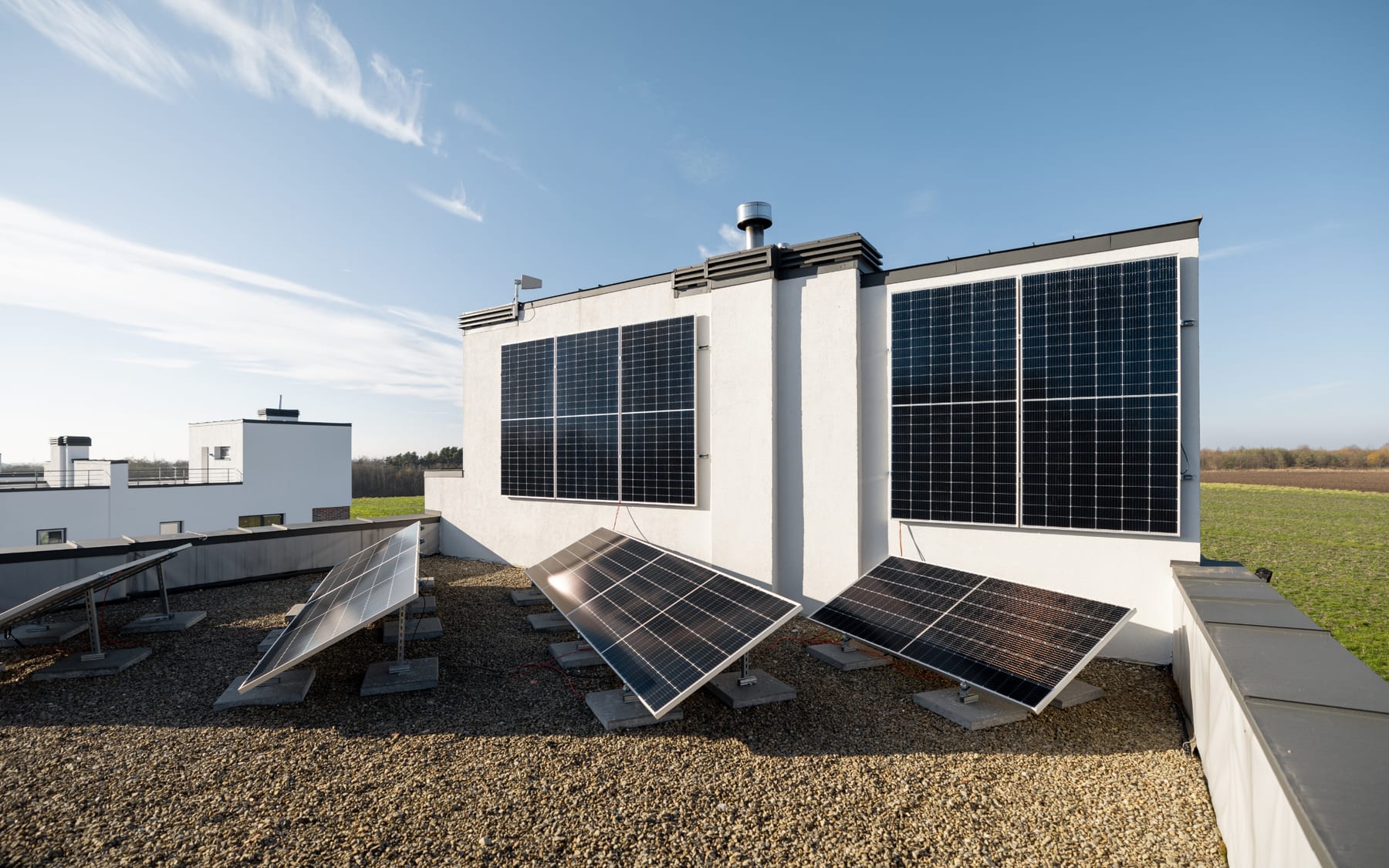
South Sudan's energy-access programme combines Juba grid expansion, a mini-grid pilot and standalone solar systems for health facilities within one delivery framework.
More households and enterprises in Juba can gain access through strengthened distribution, while the mini-grid pilot can demonstrate an alternative for communities beyond the network. Solar-powered health facilities stand to provide essential services with fewer electricity interruptions. Collectively, the components can improve daily life and offer practical lessons for future expansion.
The challenge
Electricity access needs differ sharply between the capital, communities beyond viable grid extension and health facilities requiring dependable standalone supply. Each context calls for a suitable technical model, accurate information and delivery arrangements that can function despite limited existing infrastructure and institutional capacity.
Our goal
The programme aims to extend reliable electricity to more people and essential services through three complementary solutions. It will strengthen distribution in Juba, demonstrate a mini-grid model where central-grid access is impractical and equip selected health facilities with standalone solar power.
Our approach
GIS and management-information systems establish the evidence base, supported by customer audits, standards and network analysis. Conceptual and detailed designs are converted into tender packages before construction and installation are supervised. Factory tests, commissioning, training and follow-up during the defects period support quality across grid, mini-grid and standalone components.
Key highlights
- Three delivery channels allow the programme to match infrastructure to place: densification and extension in Juba, a pilot mini-grid for an off-grid setting and independent solar systems at health facilities.
- Customer information and spatial tools improve planning, while common standards and supervision create consistency across technically different investments.
Success story
Energy access is not solved by applying the same infrastructure everywhere. In a dense part of Juba, the most effective answer may be a new low-voltage connection; in a distant settlement, a mini-grid can make more sense; at a health facility, a standalone solar system may protect critical services. South Sudan's programme places these choices within one planning and delivery structure. Geographic information, customer audits and technical studies guide where each solution belongs. Design, procurement and supervision then turn the evidence into working assets, while training supports local ownership. The programme's positive potential lies in both immediate connections and the knowledge gained about which models can be repeated in different parts of the country.