Flagship project
Strengthening Community Care for Vulnerable Children in South Africa
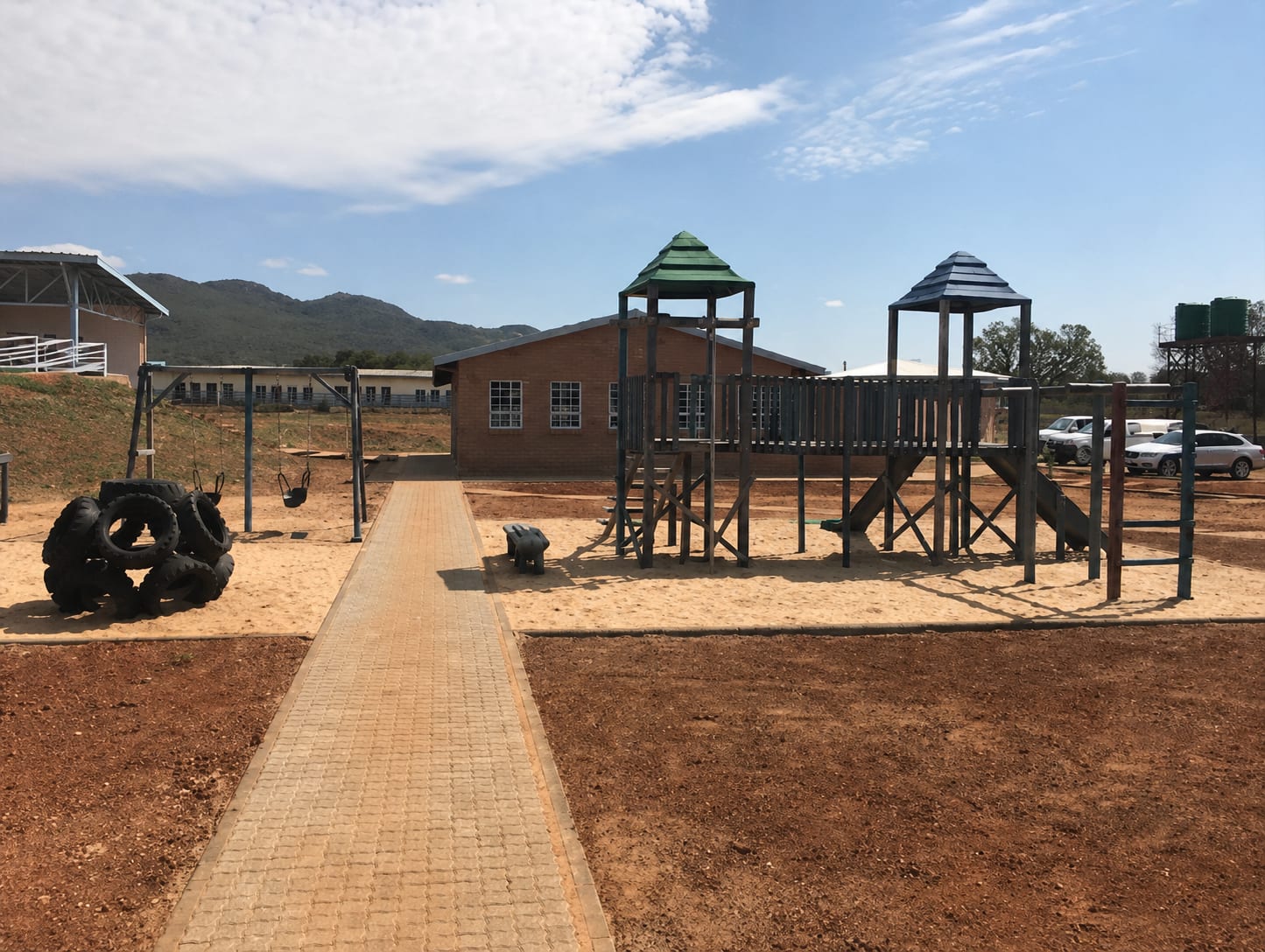
South Africa's programme developed community care centres and youth skills support to meet the everyday needs of orphans and vulnerable children.
The challenge
Vulnerable children may need food, safety, shelter, healthcare, hygiene, education and dependable adult support at the same time. Community organisations serving them require suitable facilities, trained service providers, equipment and maintenance arrangements if assistance is to remain consistent and dignified.
Our goal
Improved care and protection for orphans and vulnerable children was pursued through a network of community-based centres. The programme also sought to strengthen the skills of young people and the organisations supporting them in KwaZulu-Natal, Limpopo and North West.
Our approach
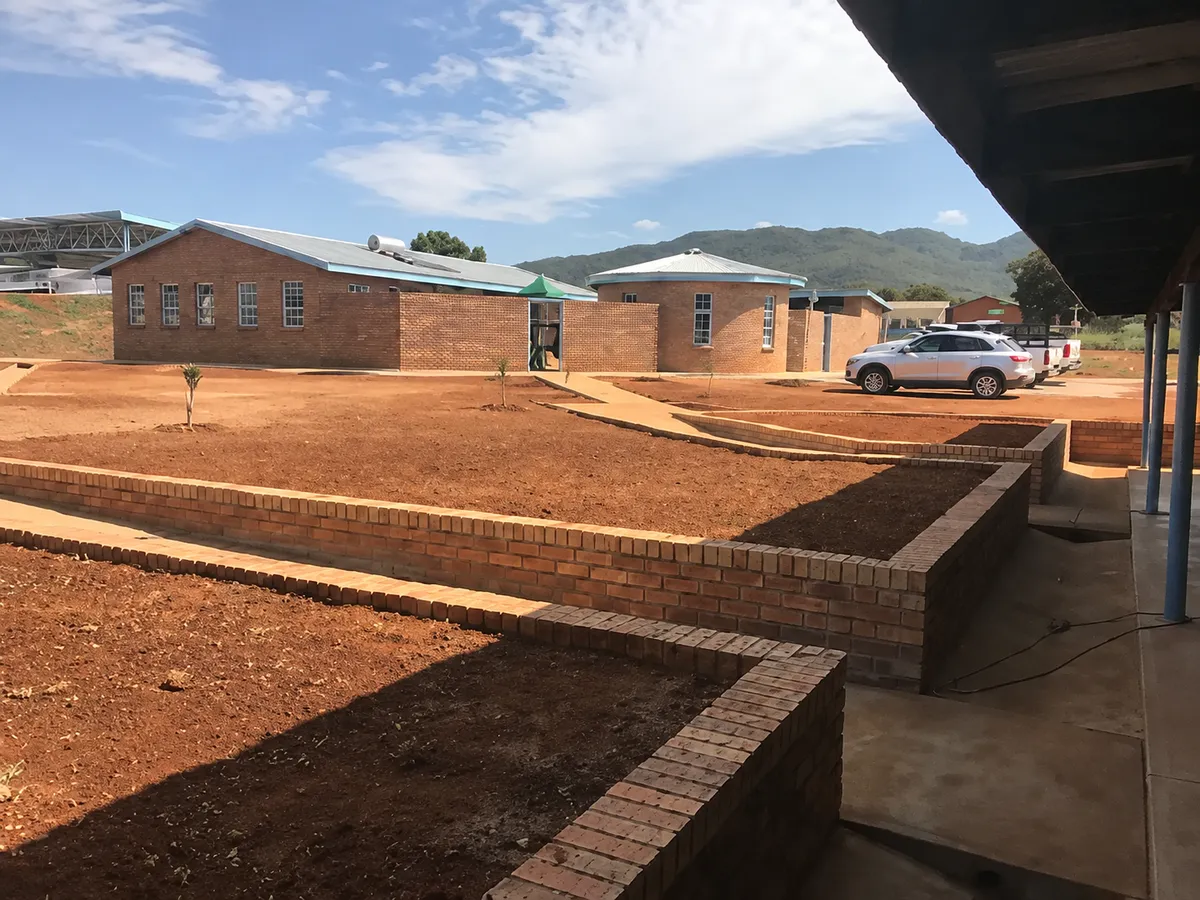
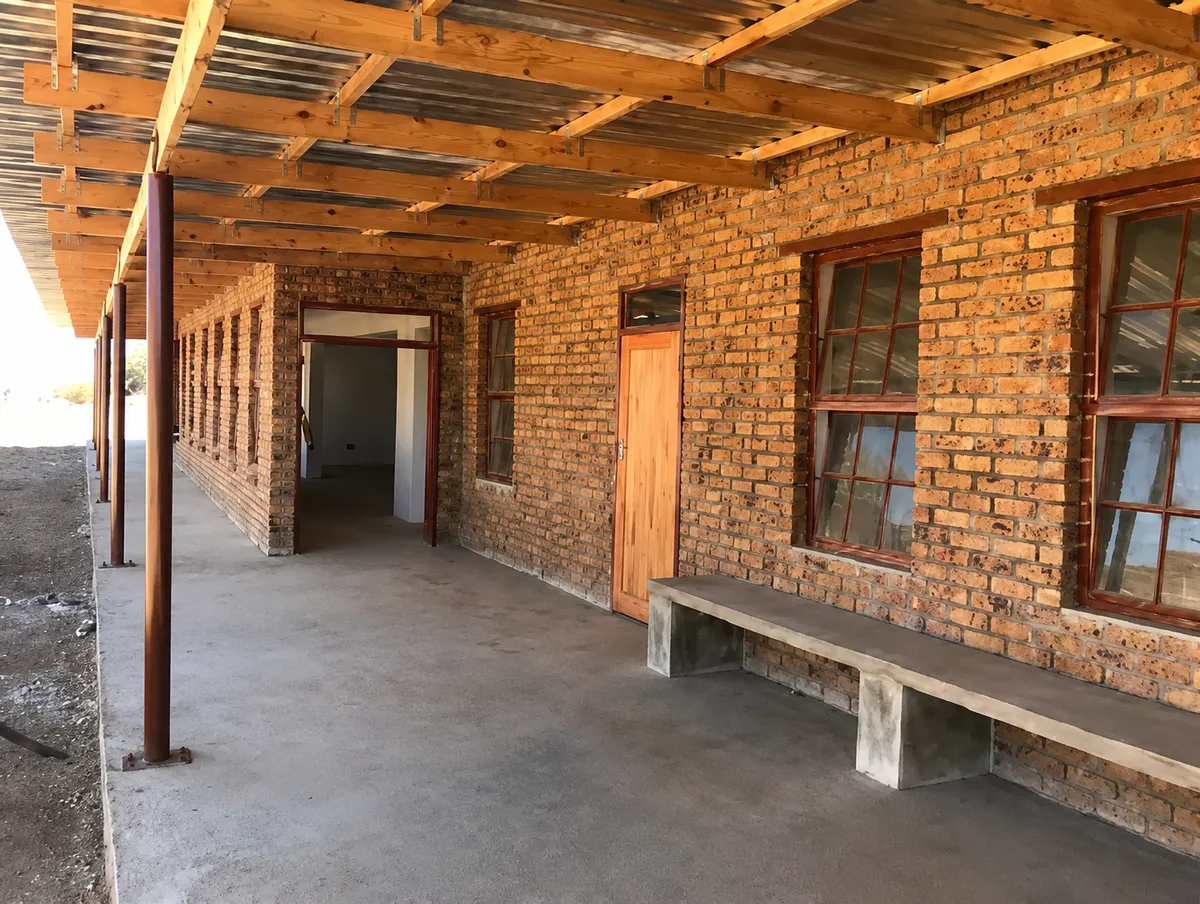
Needs were assessed before facilities were designed, tendered, constructed or rehabilitated and equipped. FIDIC-based supervision and maintenance planning supported infrastructure quality. Service providers were identified and selected, while training activities for young people and care organisations were monitored to connect physical centres with useful social support.
Impact in numbers
Children can access support closer to the communities in which they live, within facilities designed for care rather than improvised use. Better-equipped organisations can coordinate services more reliably, and skills development may help young people move towards greater independence. Maintenance planning supports continuity so that centres remain safe and useful over time.
Key highlights
- Eighteen community care centres across three provinces formed the intended infrastructure network.
- Their purpose extended across nutrition, protection, health, hygiene, learning and supervision rather than one narrow service.
- Youth skills measures complemented the centres, recognising that older participants also need pathways towards independence and livelihoods.
Success story
A community care centre is most valuable when a child experiences it as a dependable place. Food is available, hygiene can be maintained, schoolwork is supported and a trusted adult notices when something is wrong. South Africa's programme approached these needs as connected rather than separate. It planned facilities across three provinces, equipped them and considered the organisations required to provide services inside. Training for young people added a forward-looking dimension by supporting skills and independence. Infrastructure supervision and maintenance planning protected the setting in which care takes place. When these elements work together, a centre can become part of a child's everyday safety net and a stronger platform for the community groups committed to their wellbeing.
Impressions