
Flagship project
Strengthening Senegal's Grid with the DIASS Battery Storage System
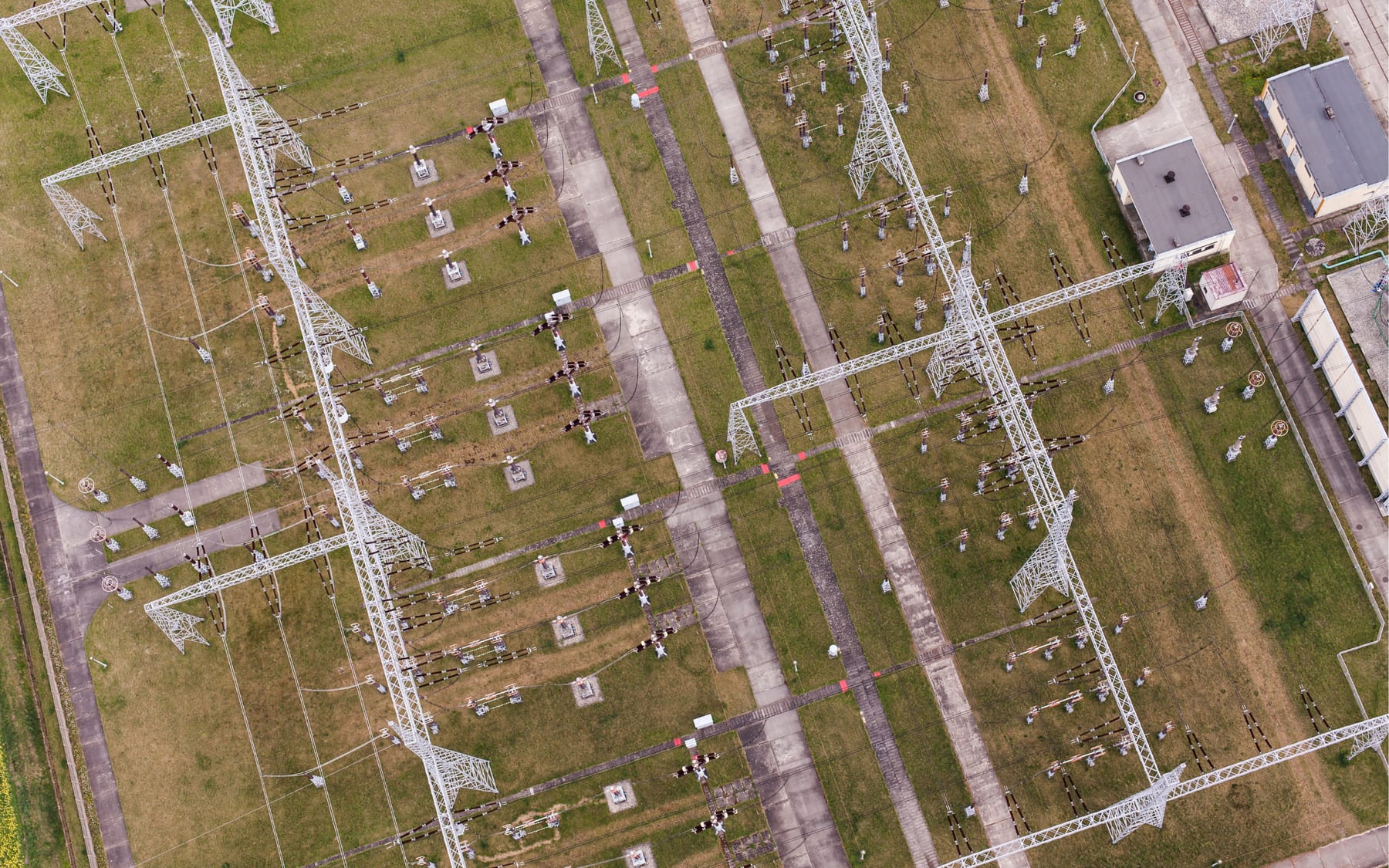
A 56 MW battery storage project at DIASS will reinforce grid stability and help Senegal accommodate changing electricity demand and renewable generation.
The challenge
Variable generation and changing demand place growing pressure on power-system stability. Connecting a large battery at an operating 225 kV substation requires the storage plant, export cable and substation modifications to work as one protected, controllable and safely commissioned grid asset.
Our goal
The DIASS project is designed to add 56 MW and 56 MWh of responsive storage to Senegal's electricity system. By absorbing and releasing power when required, the installation is intended to manage fluctuations, improve grid stability and create more room for renewable energy.
Our approach
Detailed engineering covers the battery site and its high-voltage connection, including electrical layouts, protection, control, telecommunications, SCADA, mechanical services, ventilation and fire safety. Equipment and design quality are checked through coordinated drawings, manuals and inspection processes, followed by factory and site testing and a structured commissioning sequence.
Impact in numbers
Fast-response storage can reduce the operational strain created by short-term imbalances and support a steadier supply of electricity. At DIASS, the battery's value lies in its relationship with the wider grid: it can help smooth fluctuations, reinforce system flexibility and make variable renewable generation easier to integrate without compromising dependable operation.
Key highlights
- The scheme combines a turnkey Huawei battery system with modifications at DIASS substation and a dedicated export connection.
- Its engineering scope reaches from low-voltage auxiliaries to 225 kV interfaces.
- Factory acceptance, site acceptance and commissioning documentation provide clear control points before the asset enters service.
Success story
The most visible part of a battery project may be the storage containers, but its real success is measured at the point where many systems meet. Protection must detect faults correctly, control systems must communicate with the grid, cooling and fire measures must safeguard equipment, and the export connection must carry power reliably. The DIASS project brings these interfaces into one engineered and tested installation. Once commissioned, the battery can respond rapidly when supply and demand move apart. That capability would give grid operators another practical tool for maintaining stability and enable Senegal to accommodate renewable generation with greater confidence as the electricity system evolves.