
Flagship project
Supporting Waste Solutions and Circularity in Rwanda
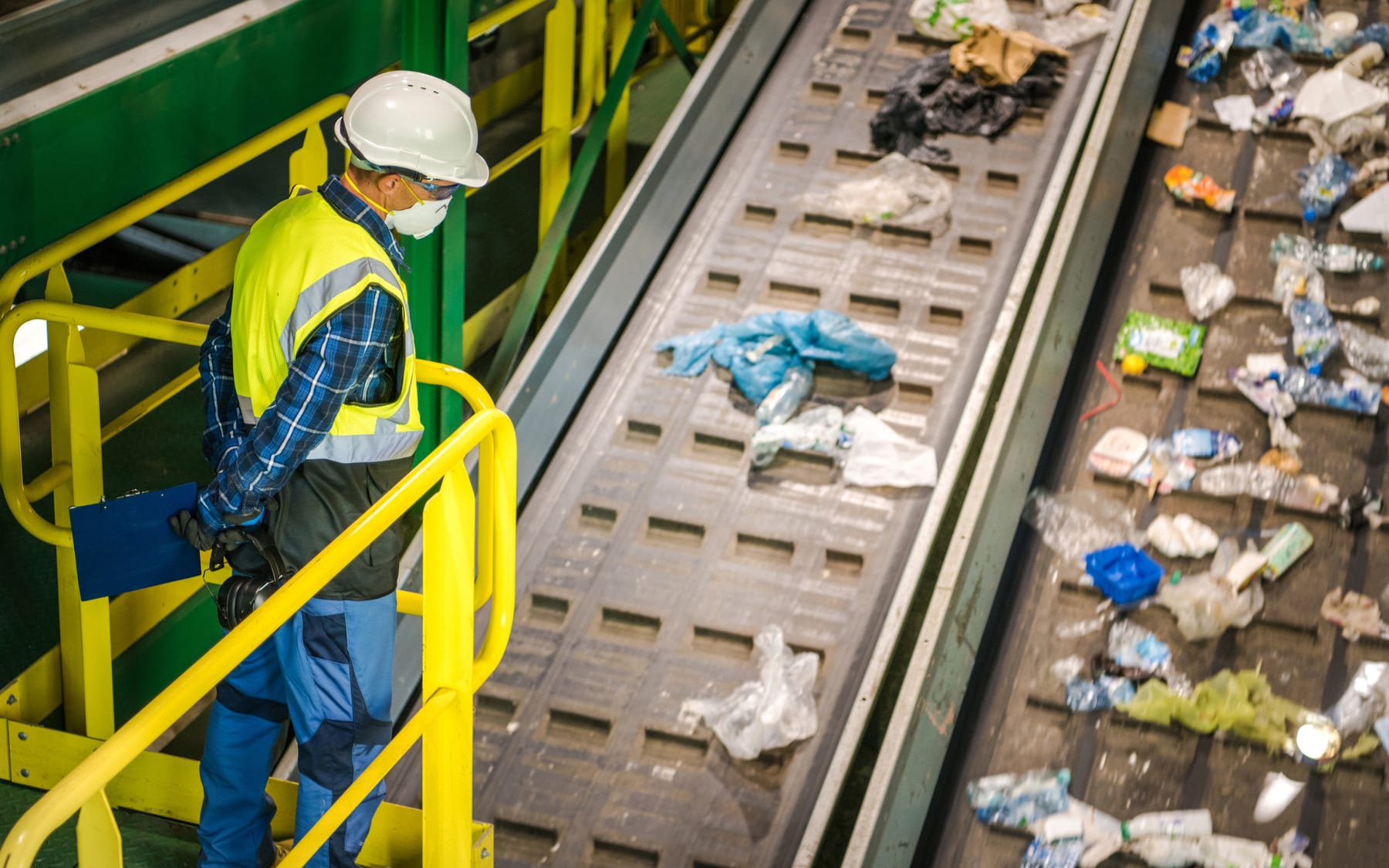
Rwanda's circular-economy programme strengthens policy, municipal systems, finance and private enterprise so that waste can become a source of recovered value.
Municipalities can improve waste services and fund them on a more sustainable basis. Businesses may develop new recovery, reuse and recycling activities, creating economic opportunities while reducing material loss. Clearer policy can attract private participation and coordinate actors across value chains. Communities stand to benefit from cleaner surroundings and more efficient services. Rwanda gains a stronger ecosystem in which policy, finance, municipalities and enterprise work together to recover value from materials.
The challenge
Rwanda needs stronger policy, finance, municipal systems and private-sector capacity to move from conventional waste management towards a circular economy. Policy ambition must be converted into financeable initiatives, stronger municipal services and viable enterprises that keep materials in use and create value from resources now discarded.
Our goal
Rwanda's circular-economy programme moves the waste sector from conventional disposal towards resource recovery and circular enterprise. It aims to give public institutions and private actors the rules, financial mechanisms, service models and market capability needed to implement this transition at national and municipal levels.
Our approach
Policy and institutional development establishes an enabling framework for circular activity. Municipalities receive support for integrated waste planning and cost recovery, linking service quality with sustainable finance. Waste businesses gain access to tailored financing and capacity development, while private-sector participation and value-chain work identify practical opportunities for recovery and reuse.
Key highlights
- The project connects national policy with municipal implementation and business growth.
- It will strengthen integrated service plans, financing approaches, cost-recovery arrangements and circular value chains.
- Support to waste enterprises ensures that resource recovery is backed by actors capable of investing, operating and responding to market demand.
Success story
A circular economy requires more than asking people to recycle. Municipalities need workable services and cost recovery, businesses need finance and markets, and national institutions need policies that align these efforts. Rwanda's programme builds those connections. Local plans can identify material flows and service gaps; financing can help waste enterprises invest; and value-chain capacity can turn recovered materials into usable products. Private-sector participation brings operational energy, while public policy protects the wider development purpose. For Rwanda, the lasting result is a waste system in which material is increasingly viewed as an economic resource. Cleaner communities, stronger local businesses and better-funded services can then become different expressions of the same transition.