Flagship project
Modernising Skills Training for Sustainable Employment in Rwanda
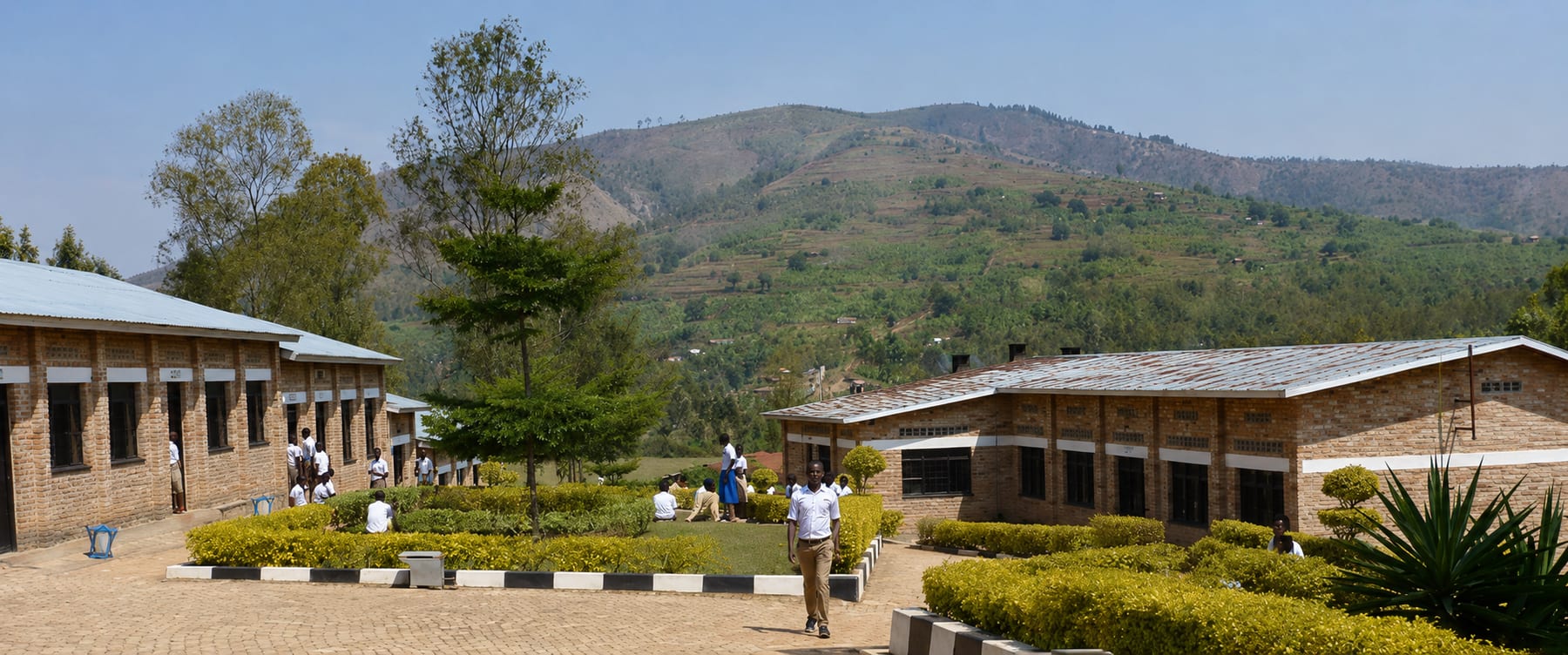
Rwanda's TVET programme modernised five training schools and strengthened their ability to prepare young people for skilled work and self-employment.
The challenge
Training providers must respond to labour-market demand while maintaining workshops, equipment and financially sustainable operations. Five schools needed clearer development plans, modern learning environments and stronger links between practical instruction, innovation and the economic opportunities available to graduates.
Our goal
The programme aimed to improve the prospects for sustainable self-employment among skilled workers. By strengthening selected vocational schools, it sought to make training more relevant, practical and responsive to the trades in which learners could build livelihoods or enter the labour market.
Our approach
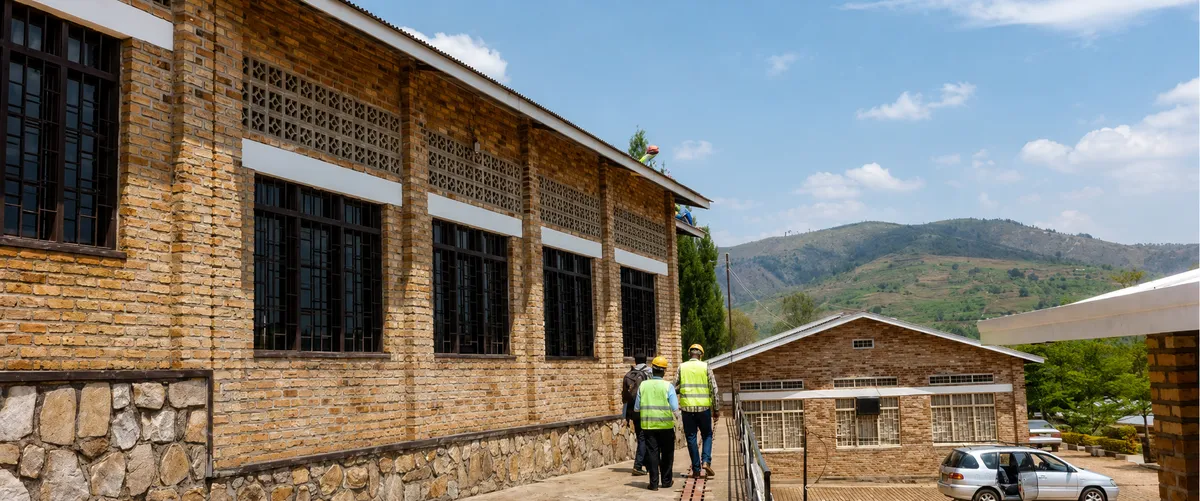
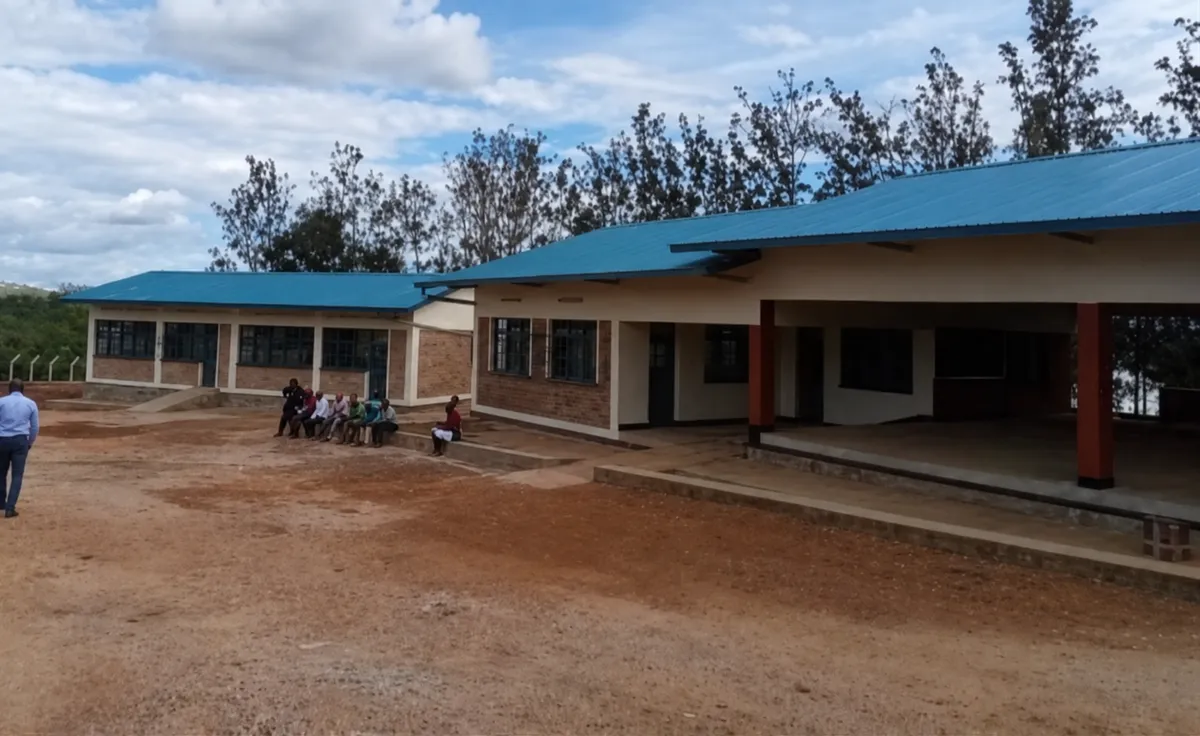
Needs and suitable trades were assessed before each school developed strategic and financial plans. Buildings and workshops were modernised, equipment was supplied and staff capacity was strengthened for operation and maintenance. A EUR 100,000 innovation fund encouraged practical initiatives, while environmental, social, health and safety measures accompanied the works and training activities.
Impact in numbers
Learners can gain practical experience in settings that better reflect the tools and conditions of skilled work. Stronger school management and maintenance help protect training quality, while trade selection and innovation keep programmes connected to economic demand. Graduates are consequently better placed to pursue employment, start services or develop small enterprises using relevant technical skills.
Key highlights
- Five TVET schools formed the core of the investment.
- The package combined physical modernisation with equipment, planning and staff development, recognising that workshops only create value when institutions can operate them effectively.
- The innovation fund added room for schools to test ideas that connect training more closely with enterprise and employment.
Success story
A vocational workshop becomes a bridge to work when the space, equipment and teaching model point in the same direction. Rwanda's programme approached five schools from that perspective. It examined which trades offered useful prospects, improved the places where practical learning happens and strengthened the plans needed to keep each institution viable. Teachers and managers could then use modernised facilities within a clearer operational framework, while the innovation fund provided a modest but purposeful way to try new ideas. For a learner, the positive change is tangible: practice takes place with relevant equipment and a stronger connection to real economic opportunities. That foundation can turn technical education into a more credible route towards employment or self-employment.
Impressions