Flagship project
Reversing the Flow
Strengthened locally-led climate adaptation and water security approaches by supporting vulnerable communities, knowledge exchange, policy dialogue, and adaptive learning processes across landscapes.
The challenge
Vulnerable communities in climate-sensitive landscapes face increasing water insecurity and climate-related risks, often compounded by social exclusion and limited participation in adaptation decision-making. Existing adaptation approaches frequently lack local ownership and may not sufficiently address the needs and priorities of marginalized groups. There is a need for inclusive, community-driven approaches that strengthen resilience while influencing broader policy and institutional systems.
Our goal
The Reversing the Flow programme aims to strengthen water security and climate resilience by supporting locally-led adaptation processes in vulnerable landscapes. It seeks to empower communities to design, implement, and manage their own adaptation initiatives, while promoting inclusive practices and influencing government and development systems to better integrate locally-led adaptation approaches into policies and planning frameworks.
Our approach
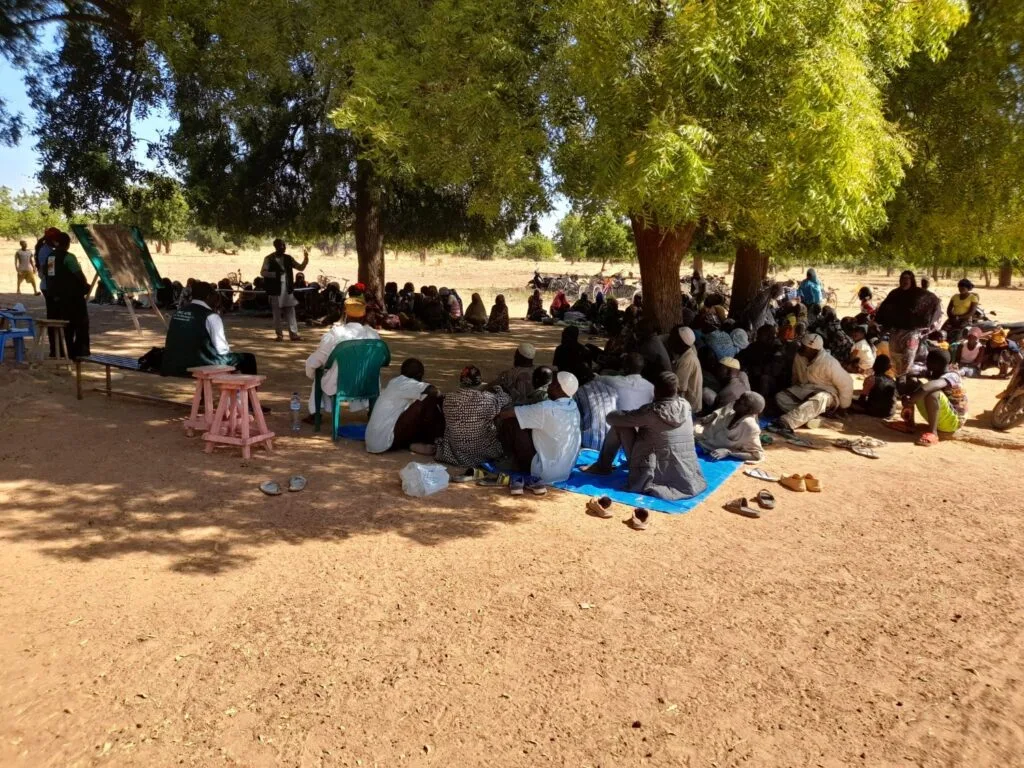
RtF applies a bottom-up, learning-oriented approach that places communities and local organizations at the center of climate adaptation processes. The programme supports community-led climate risk assessments, adaptation planning, implementation, and monitoring. It facilitates learning between local partners through knowledge plans, exchange events, documentation platforms, and reflection processes. The programme also strengthens policy dialogue by connecting community priorities with government, non-government, and international stakeholders. Through adaptive monitoring and joint learning agendas, RtF continuously refines approaches based on emerging risks, opportunities, and lessons from implementation. This approach aims to build sustainable adaptation practices that are locally owned and integrated into broader systems.
Impact in numbers
The RtF programme strengthened the practice of locally-led adaptation by establishing mechanisms that enable communities and local organizations to take greater ownership of climate and water resilience initiatives. GOPA Pro contributed to building a programme-wide knowledge component that connects experiences across landscapes and countries. Achievements include the establishment of learning processes with local hubs, development of documentation and reflection mechanisms, facilitation of exchange events, a think piece and policy brief on locally led adaptation, and a set of practical how-to notes covering community regranting, governance, fund flow, accountability and community financial preparedness. The programme generated practical evidence on how locally-led approaches can work in different contexts, including community-driven water management, landscape restoration, and climate adaptation planning. Through policy dialogue and knowledge sharing, RtF contributed to advancing the recognition of locally-led adaptation principles among development actors and policymakers.
Key highlights
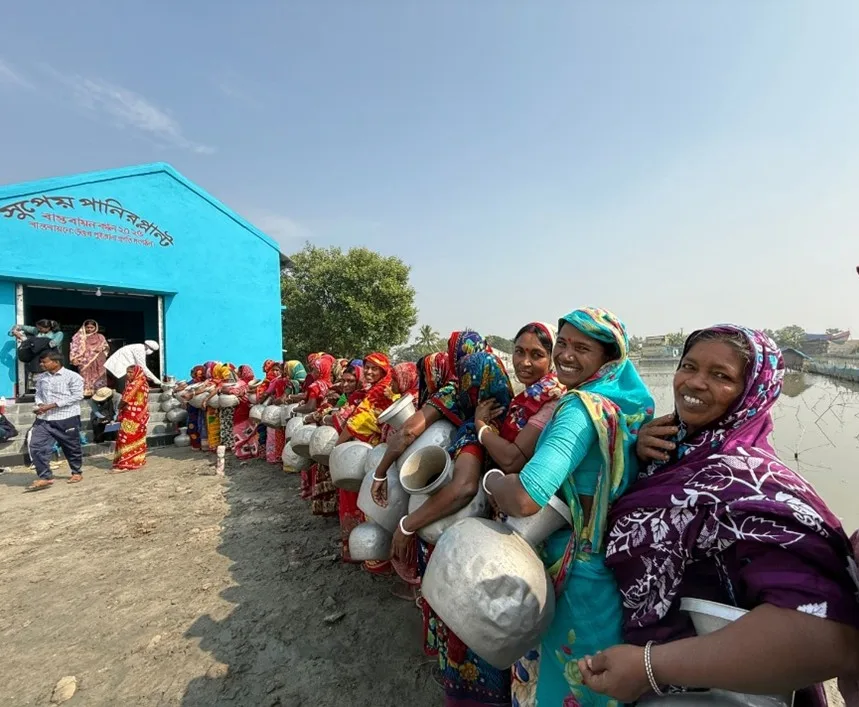
- The Reversing the Flow programme demonstrates locally-led adaptation in practice by placing vulnerable communities and local organizations at the center of water and climate adaptation efforts. Across Bangladesh, Burkina Faso, Ethiopia, Kenya, and Sudan, the programme supports communities to identify their own priorities, organize local action, manage resources, and implement adaptation initiatives suited to their landscape and livelihood contexts.
- As knowledge partner, GOPA Pro supports the programme's learning architecture through the development of knowledge and learning plans, documentation systems, cross-country exchange, reflection processes, and engagement with stakeholders. Embedded collaboration with local hubs enables experiences from communities to be captured, shared, and translated into broader learning and policy discussions.
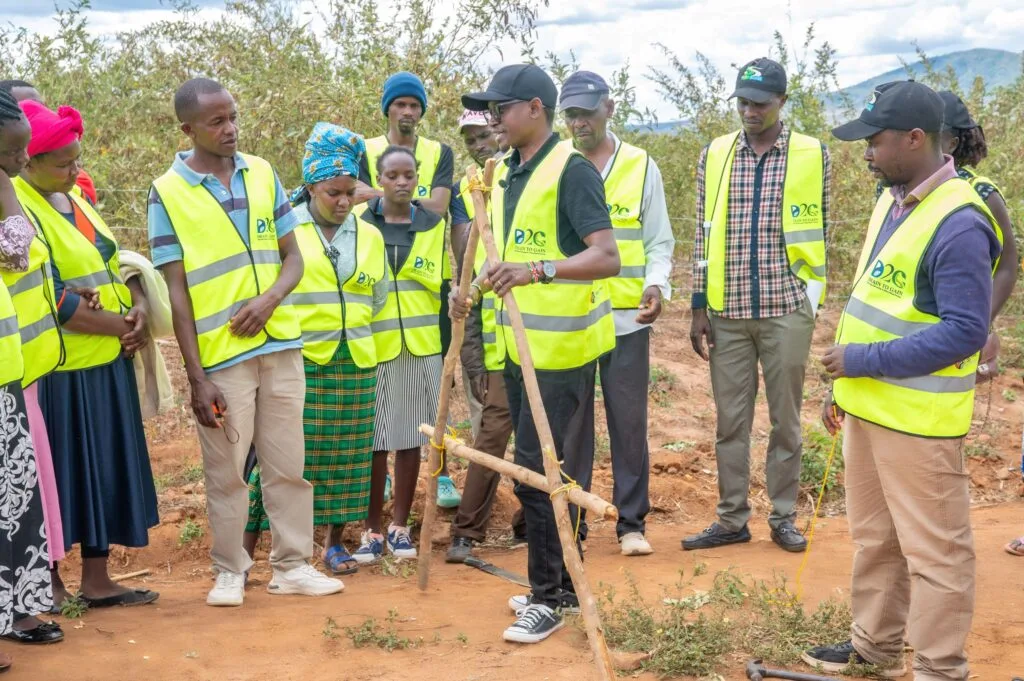
- Key activities include supporting community-led climate risk assessments, adaptation planning, implementation, and monitoring; facilitating policy dialogue between communities, governments, and other stakeholders; and strengthening results measurement through joint learning and adaptive monitoring approaches. The programme also documents practical experiences on locally-led adaptation, creating resources and examples that demonstrate how local ownership can contribute to stronger and more sustainable climate resilience.
Voices from the field
Normally donors do the work, now we can solve our own problems, and with less money.
We have learned the purpose of unity. When we come together as a community, we can do great things with our land.
RESTORE gave us real ownership... We've learned that the community can do everything themselves
We made this decision together, based on what we know and what we've seen over the years. It may not be perfect, but it is ours.
We ourselves prioritized our needs. Before, projects would come and say 'we're going to do this for you' without even taking their opinions.
We protected the land, and now we see change. Trees are growing back. Grass has returned. Soil erosion is reduced. We are benefiting.
Success story
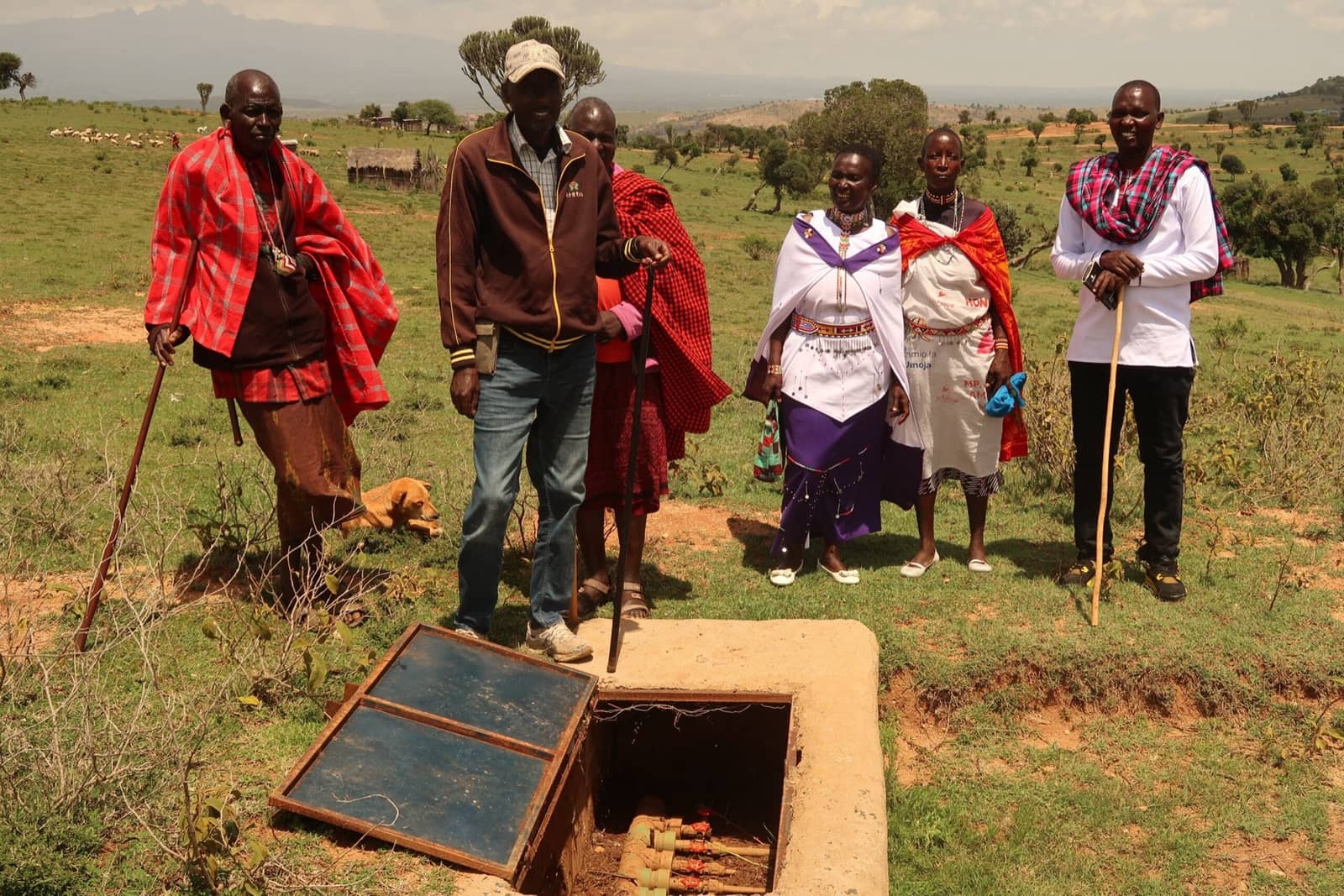
71 households connected to water with €17,900 in locally-led investment
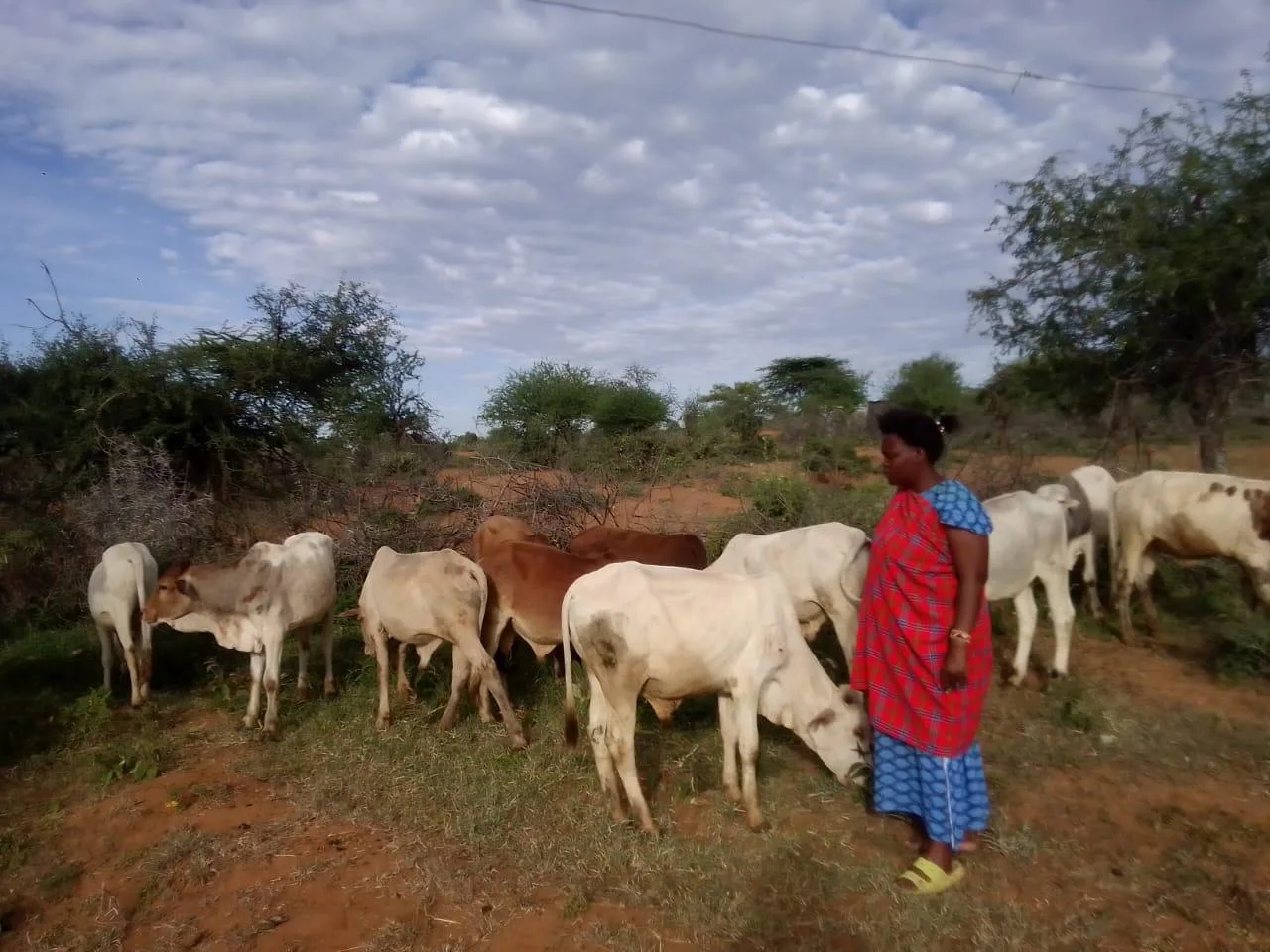
In Lolkilorit, Laikipia County in Kenya, getting water used to mean a 2.5 kilometer walk at half past five in the morning to a contaminated river shared with wildlife. A government water tank fed from Mount Kenya sat above the villages, but five villages and 115 households had no connection to it.
In 2022 the community formed the Lokirisiai water project, led by a committee of eight. The local NGO IMPACT provided EUR 15,200 directly to the community through RtF funds. The community added EUR 2,760 of its own and dug the trenches. Households with disabled or elderly members, and those without livestock, were connected first.
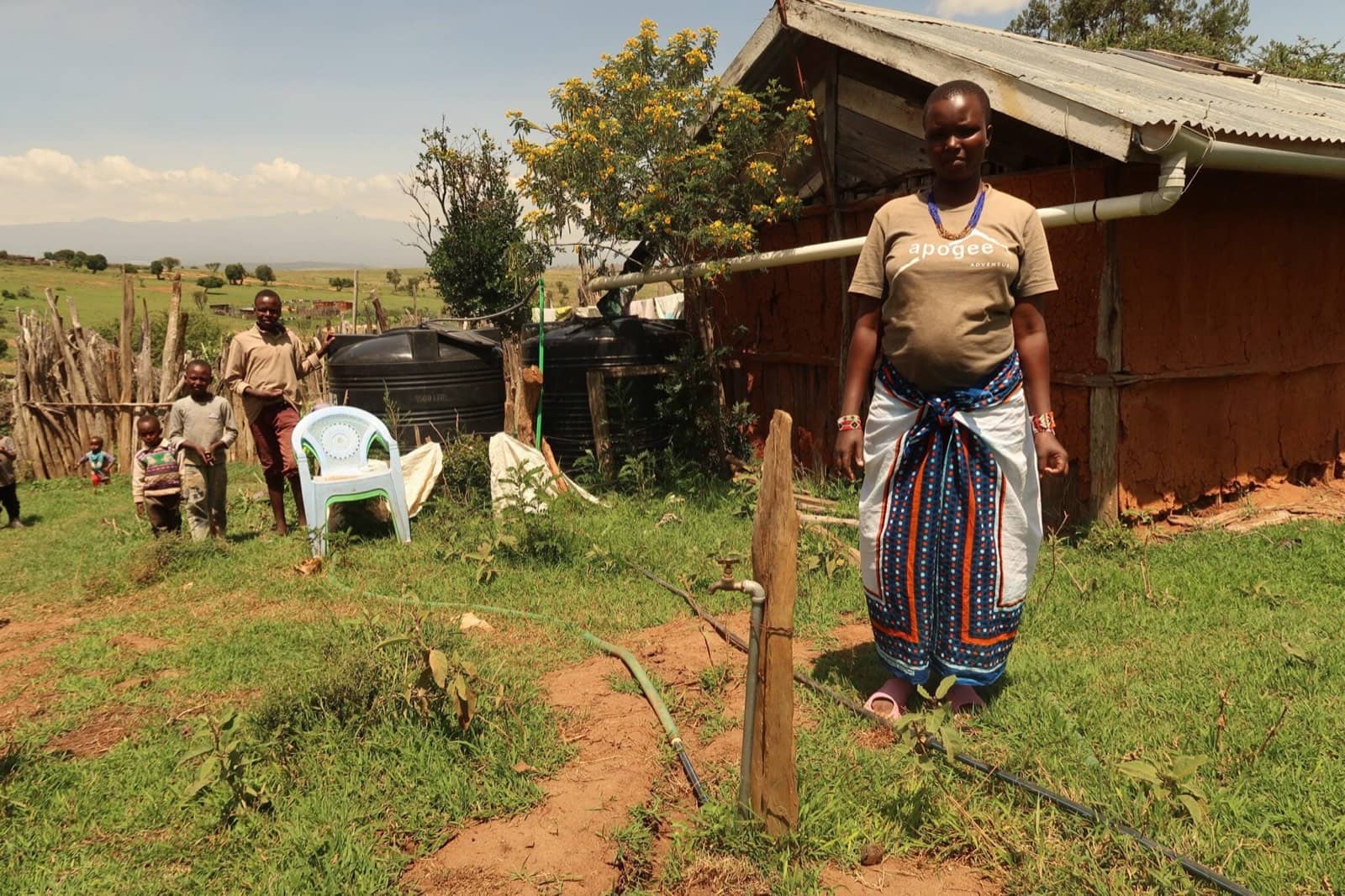
Esta Kinyaga now has a water point at her home. She has a kitchen garden, which was not possible before, and runs a sprinkler system she paid for from her first surplus harvest. She has since bought water storage tanks, added rainwater harvesting from her roof, and is growing more for the local market.
Three years on, 71 households have water at home. Waterborne diseases from the river used to be common, and children who missed school because of the morning walk now attend more often.
Esta Kinyaga · Lolkilorit, Laikipia County, Kenya
Special features
The Meaning of Locally-Led Development: From Principle to Practice
A think piece on the evidence base for locally led adaptation, proposing four dimensions along which LLA can be compared with conventionally managed programmes: societal and institutional change, local embeddedness and relevance, value for money, and climate adaptation outcomes. It also sets out RtF's own knowledge agenda against that framework.
'Locally-Led Adaptation in Practice' dossier
In this dossier, we collect practical examples, lessons learned, and experiences from implementing locally-led adaptation. Many of these originate from the Reversing the Flow (RtF) program, which aims to strengthen communities' natural, social, and economic resilience to climate change through community-led landscape restoration, water, and climate adaptation action.
Impressions