
Flagship project
Improving Rural Connectivity in Northern Uganda
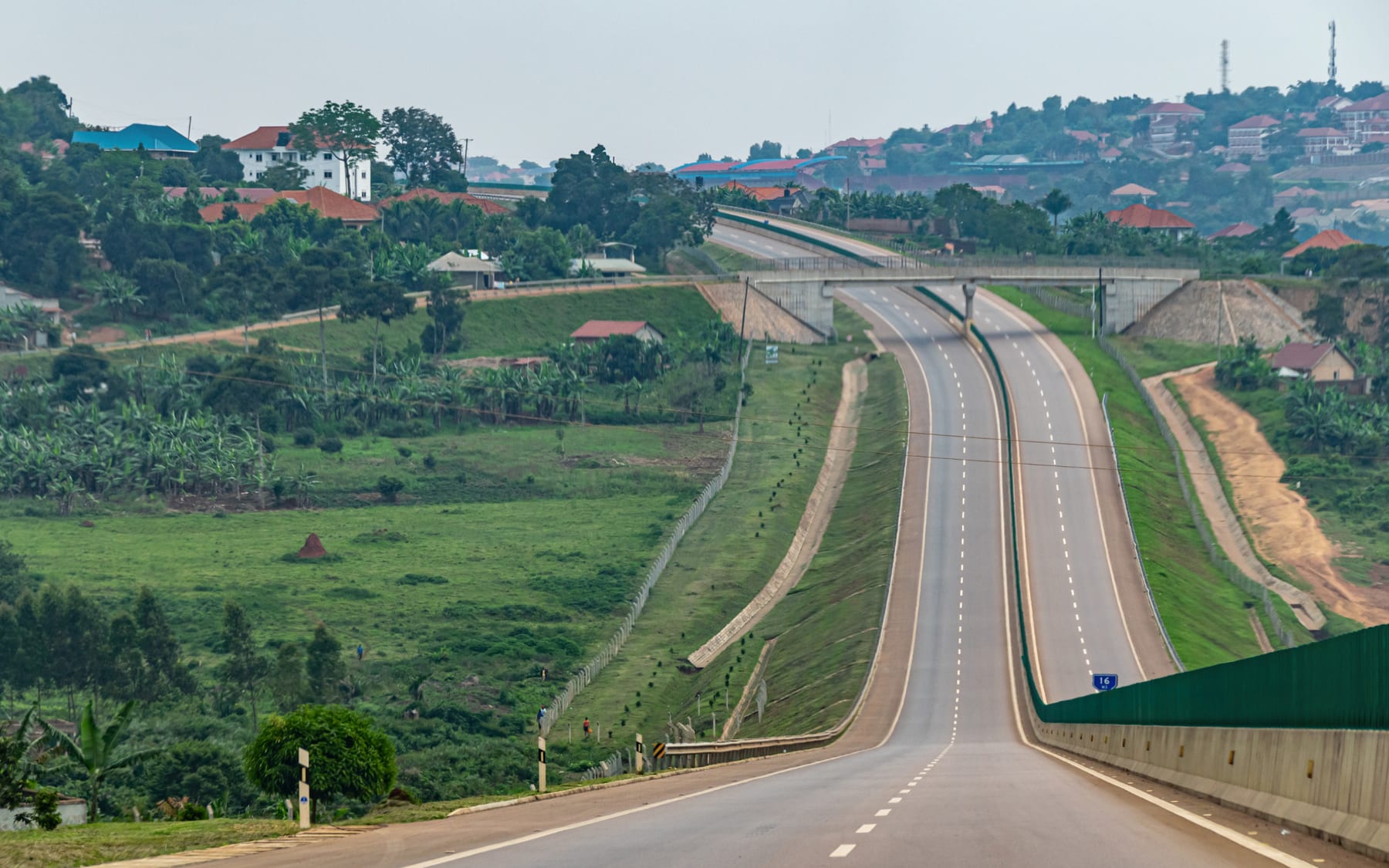
Northern Uganda's rural-development programme improves roads and market links to reduce transport costs and connect agricultural communities with services and economic opportunity.
Farmers can reach buyers and services more reliably, potentially reducing post-harvest and transport costs and improving income opportunities. Rural businesses may gain access to larger markets, while communities benefit from easier movement to education, health care and administrative services. Better-managed infrastructure supports these economic and social outcomes over time. More reliable connections give farming communities a stronger link to buyers, public services and wider economic opportunity.
The challenge
Poor rural roads and market infrastructure limit access to agricultural production areas, raise transport costs and constrain incomes in Northern Uganda. When routes become unreliable, farmers and rural businesses face longer journeys to markets and communities encounter greater difficulty reaching essential services.
Our goal
RUDSEC unlocks agricultural potential by making priority production areas, markets and services easier and less costly to reach. It aims to deliver durable rural infrastructure while strengthening the environmental, financial and institutional systems required to select, procure, supervise and maintain investments responsibly.
Our approach
Investments are prioritised according to development need and feasibility. Environmental and social compliance shapes the selected works before detailed design and procurement. Construction supervision protects quality on site, while financial management supports accountable spending. Institutional capacity development equips responsible bodies to oversee the programme and sustain rural connectivity improvements.
Key highlights
- The programme combines a prioritised road and market-infrastructure portfolio with completed designs, procurement support and supervised construction.
- Safeguard and financial controls provide an accountable delivery framework.
- Capacity building ensures that public institutions gain experience managing investments across their full cycle rather than receiving infrastructure in isolation.
Success story
For a farmer in Northern Uganda, a poor road can determine whether produce reaches a market in good condition and whether a fair price is possible. The rural-development programme begins by identifying routes and facilities that can make the greatest difference. Designs account for site conditions and safeguards, procurement selects capable delivery partners and supervision protects construction quality. Financial controls and institutional training reinforce accountability behind the physical works. For Uganda, the change is a shorter, more dependable journey between farms, markets and public services. As travel becomes easier, agricultural areas can connect to wider opportunity, businesses can expand their reach and rural communities can participate more fully in the regional economy.