Flagship project
Creating a Clearer Route for Solar Investment and Premium-Grid Generation in Nigeria
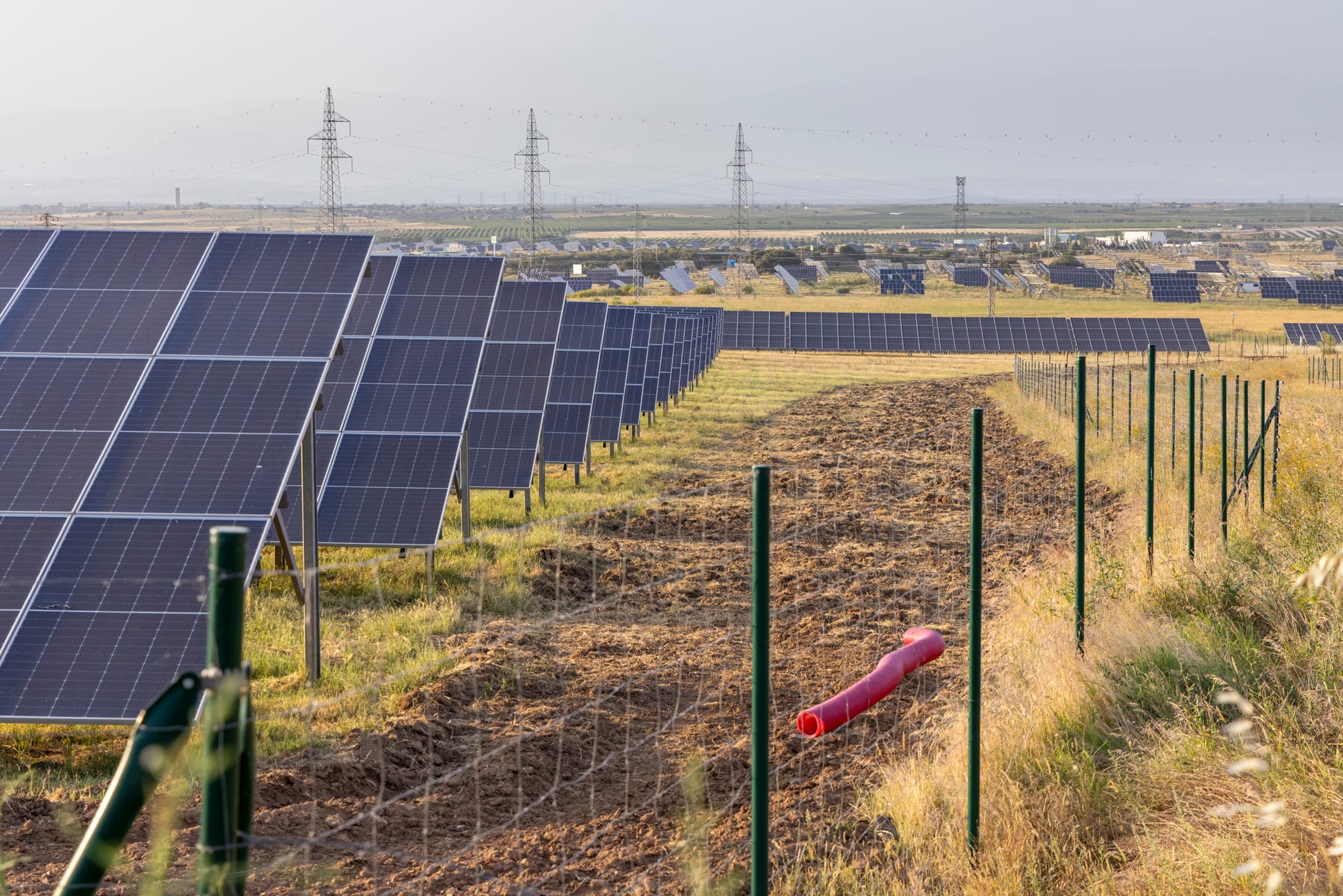
NESP II strengthened the environment for grid-connected solar and tested embedded-generation options for the Challawa Premium Grid in Kano.
The challenge
Nigeria needs transparent rules and credible project evidence to attract private renewable investment while responding to local supply constraints. At Challawa, additional generation had to be assessed against demand, land, fuel, grid interfaces, costs and emissions before a premium-grid expansion could progress responsibly.
Our goal
The programme sought to make utility-scale solar and related grid investment easier to plan, procure and integrate. Within that wider reform effort, the Challawa study examined whether embedded generation could unlock unmet demand and improve the premium grid's ability to serve customers.
Our approach
Regulatory, planning and grid-integration support was combined with competitive-procurement preparation and targeted technical studies. For Challawa, demand and system conditions were analysed before three generation models were compared. Solar PV, gas engines and, in one option, battery storage were evaluated through technical, financial and environmental criteria.
Impact in numbers
The national programme created stronger foundations for transparent solar investment, while the Challawa analysis gave local decision-makers a concrete view of how additional generation could meet demand. Comparing cost, resilience and emissions across alternatives reduces uncertainty. Further site, land, fuel and market work could move the preferred model towards procurement and implementation.
Key highlights
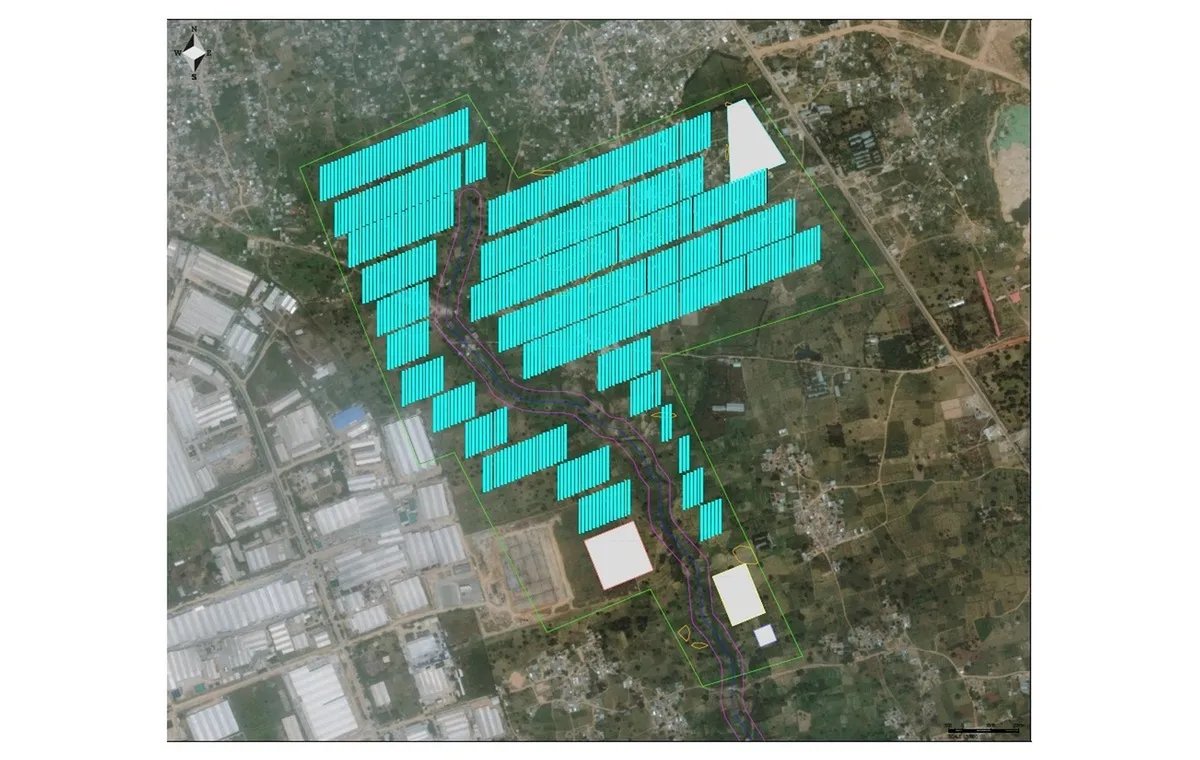
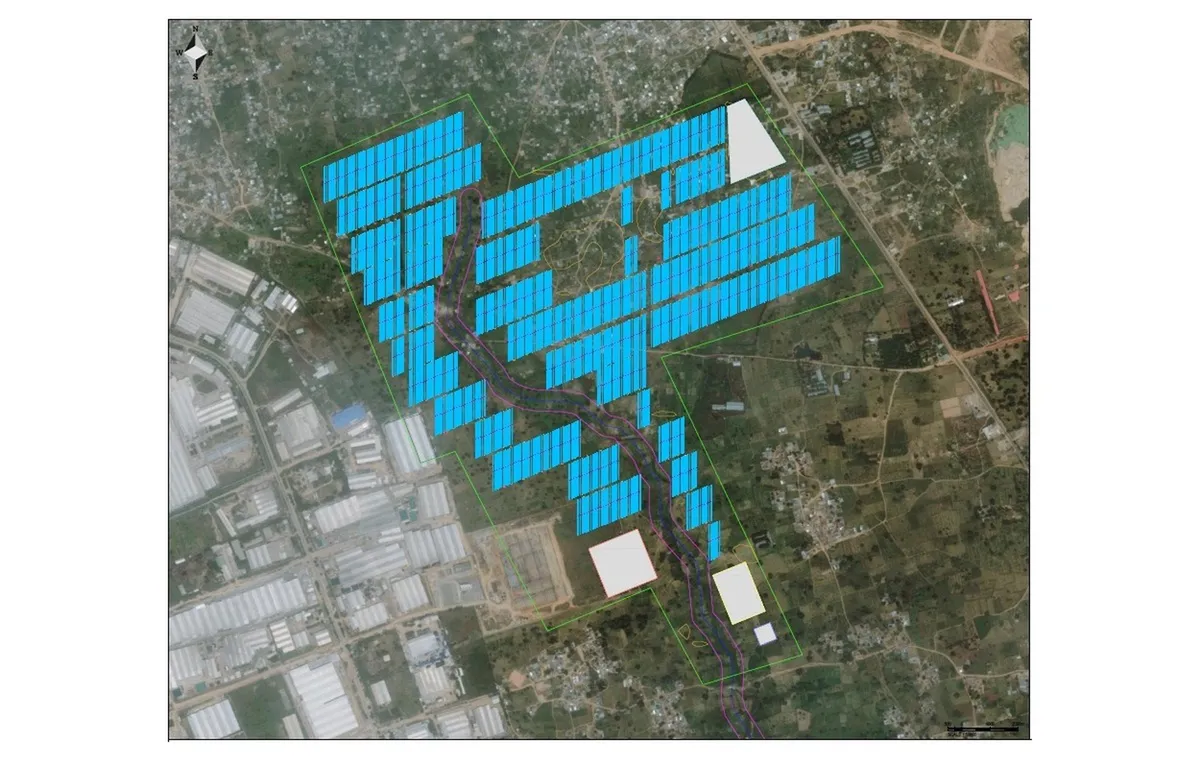
- Three Challawa configurations provided a clear decision range: 55 MWp solar with 36 MW engines; 52.4 MWp solar with 44 MW engines; and 55 MWp solar, 44 MW engines plus a 31.5 MW / 19.7 MWh battery.
- Estimated lifetime greenhouse-gas savings ranged from about 1.06 to 1.39 million tonnes.
Success story
The Challawa premium grid illustrates how national reform and local project preparation reinforce one another. Clearer rules and competitive processes can improve Nigeria's investment environment, but a specific site still needs detailed evidence before investors can act. The pre-feasibility study translated demand at Challawa into three technically distinct supply options, showing the trade-offs between solar capacity, gas engines and battery storage. It also quantified potential greenhouse-gas savings over the plant life. This gives stakeholders a more productive starting point for land checks, fuel arrangements, technical design and expressions of interest. If those steps advance, the premium grid could unlock additional electricity for its customers while demonstrating how cleaner embedded generation can be structured elsewhere.
Impressions