
Flagship project
Designing Viable Rural Electricity Concessions in Niger
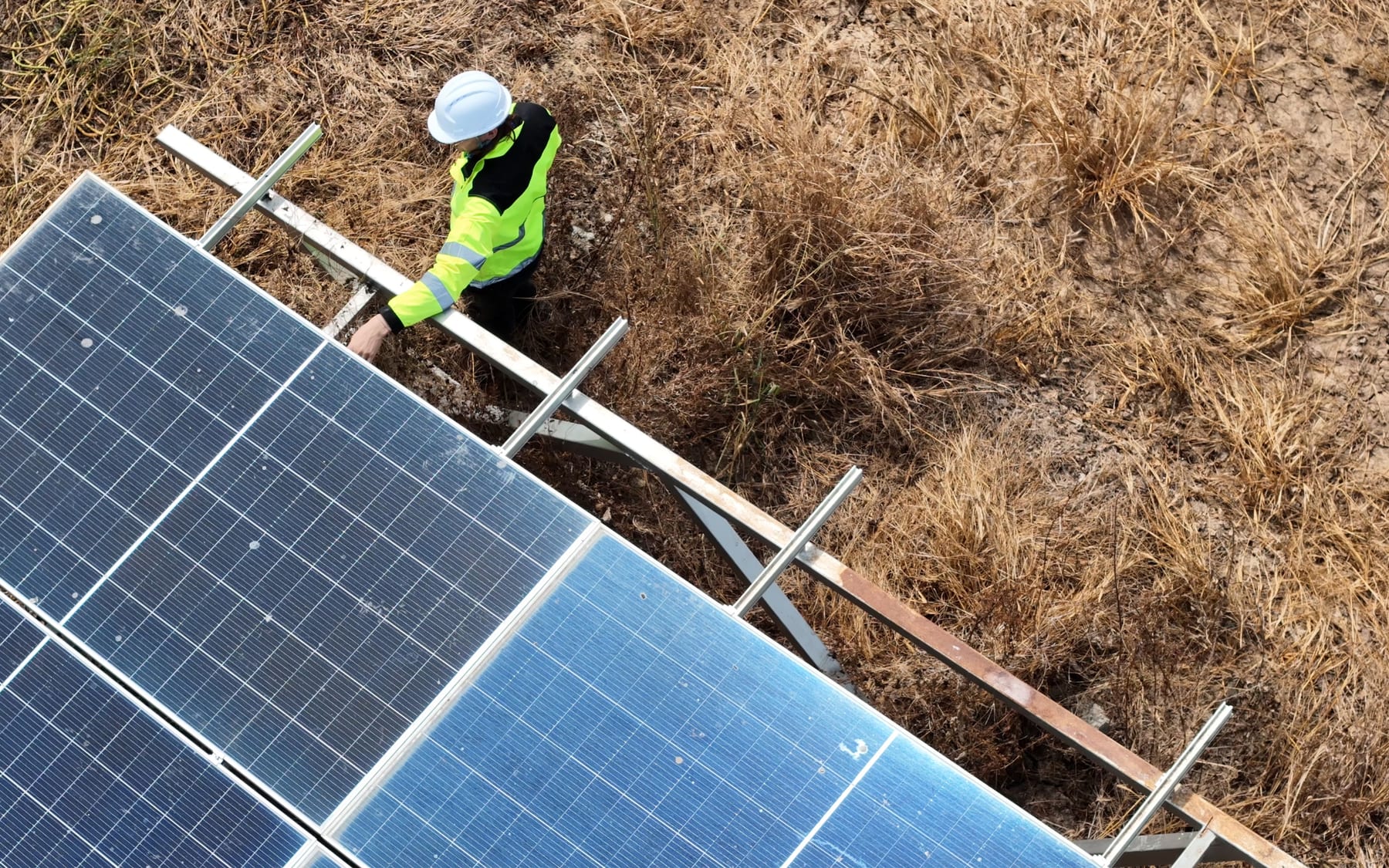
Niger's rural-electrification study developed practical mini-concession models for private operators to serve communities sustainably across five priority areas.
The challenge
Sparse demand, affordability constraints and high service costs can make rural electricity difficult to sustain through conventional utility expansion. Private participation requires realistic service areas, clear contracts and business models that balance investment needs with the ability of communities to pay over time.
Our goal
The study aimed to create a workable framework for privately operated rural electricity services in five mini-concession areas. It sought to show how technical solutions, public-private responsibilities and commercial arrangements could be combined to extend dependable access beyond the existing grid.
Our approach
Demand, technology options and economic conditions were assessed for each target area. The resulting evidence informed operator models, public-private partnership structures and contractual arrangements. Financial models and business plans tested viability, while training helped responsible institutions understand how to evaluate, procure and oversee future concessions.
Impact in numbers
Clearer concession models can attract capable operators while protecting the public interest and the needs of rural customers. Communities may gain more dependable access, and authorities can assess proposals against transparent technical and financial expectations. The work also creates a repeatable method for structuring future rural-electrification initiatives in other areas.
Key highlights
- Five mini-concession areas provided a practical basis for comparing different rural markets rather than relying on a single national assumption.
- Technical choices were evaluated alongside affordability and operator economics.
- Draft frameworks, contracts and business tools turned the study from a diagnostic exercise into a foundation for market engagement.
Success story
For a rural electricity service to last, the technical system and the operating model must support each other. Niger's study examined both. It looked at demand in five areas, compared suitable technologies and asked what customers, operators and public institutions could realistically sustain. Those findings shaped business plans, financial models and proposed contracts. A prospective operator can therefore see the expected service and commercial conditions, while government institutions have tools for evaluating performance and risk. If brought to market, the mini-concessions could demonstrate that rural access is not only about installing equipment; it is about creating a service relationship that remains affordable, accountable and functional long after the initial investment.