
Flagship project
Protecting Namibia's National Parks from Waste
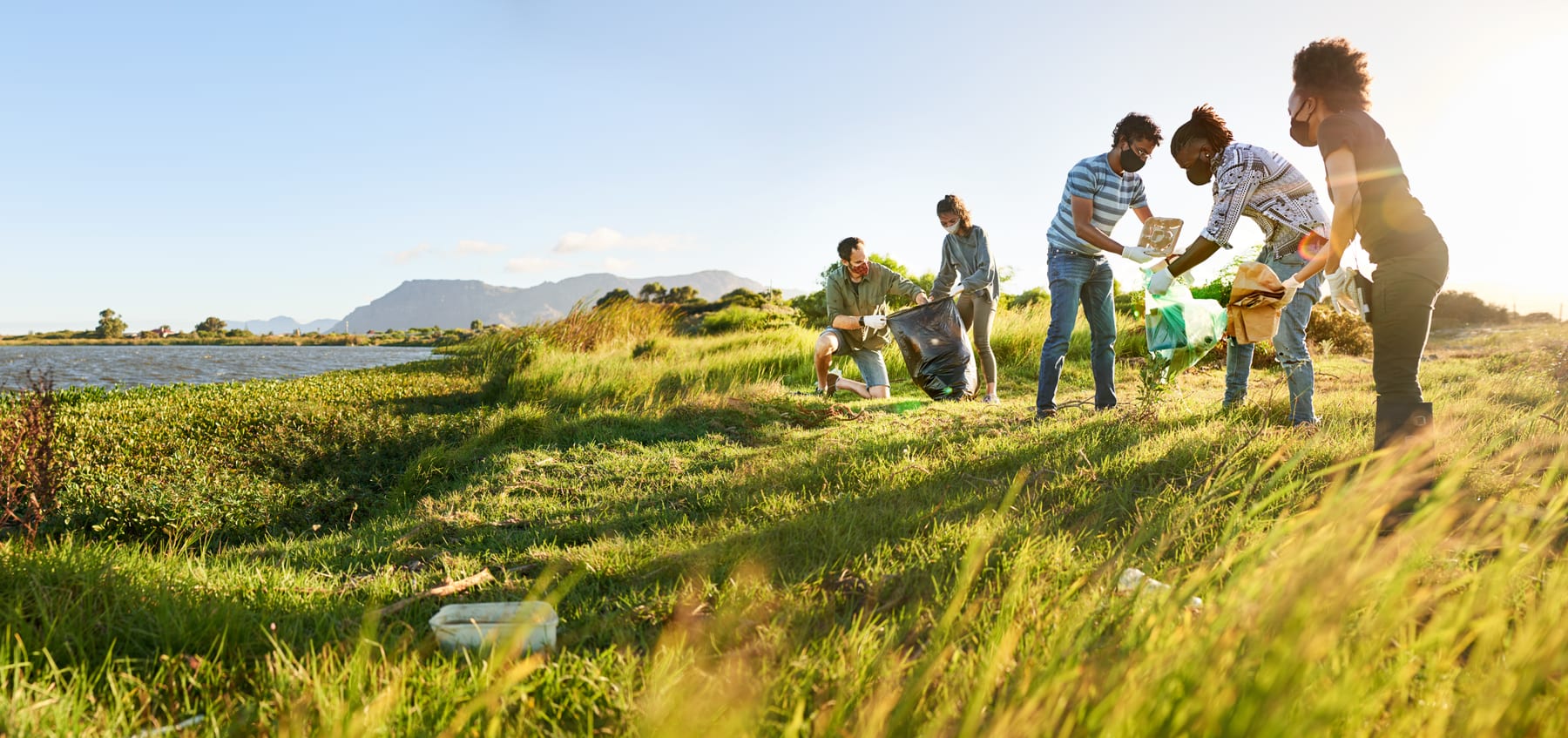
Namibia's protected-areas programme develops practical waste systems that safeguard national parks while supporting tourism, local livelihoods and sensitive ecosystems.
Park communities, visitors and tourism businesses can benefit from cleaner protected areas and more reliable waste services. Reduced dumping and litter protect wildlife, landscapes and the visitor experience, while well-managed systems can support local employment and service opportunities. Stronger controls help authorities use resources responsibly. Effective services protect landscapes and wildlife while supporting the visitor experience and livelihoods associated with sustainable tourism.
The challenge
Growing waste volumes in and around Namibia's protected areas can damage sensitive ecosystems, visitor destinations and the livelihoods linked to sustainable tourism. Remote locations, seasonal visitor flows and sensitive landscapes require service models that work operationally while reinforcing conservation and local tourism objectives.
Our goal
Namibia's protected-areas programme prevents growing waste volumes from undermining conservation and sustainable tourism. It seeks to give park authorities and local partners the plans, infrastructure and management systems required to deliver dependable services in settings where conservation and tourism are closely connected.
Our approach
Project-management, procurement and financial controls provide the delivery framework. Baseline assessment establishes current waste flows and service gaps, followed by waste-management planning and infrastructure design. Awareness raising engages users and communities, while operational preparation determines how new systems will be staffed, maintained and financed once they are in service.
Key highlights
- The programme covers both park infrastructure and the systems behind it.
- Outputs include baseline data, location-specific waste plans, designed facilities, procurement arrangements and operational requirements.
- Visitor and community awareness is included because prevention and correct disposal are particularly important where waste can quickly damage wildlife and landscapes.
Success story
A national park's appeal rests on healthy ecosystems and a sense of unspoilt place, both of which can be damaged by growing waste. Namibia's programme starts by understanding what is generated, where it accumulates and why current services fall short. Plans and infrastructure are then tailored to protected-area conditions, supported by procurement, financial controls and operational preparation. Awareness work invites visitors, businesses and communities to share responsibility for prevention and correct disposal. The positive result is not simply a cleaner bin area. It is a park landscape protected from pollution, a tourism economy built on stronger environmental stewardship and local service systems capable of keeping that progress going.