
Flagship project
Building Namibia's 45 MW Lithops Battery Storage Facility
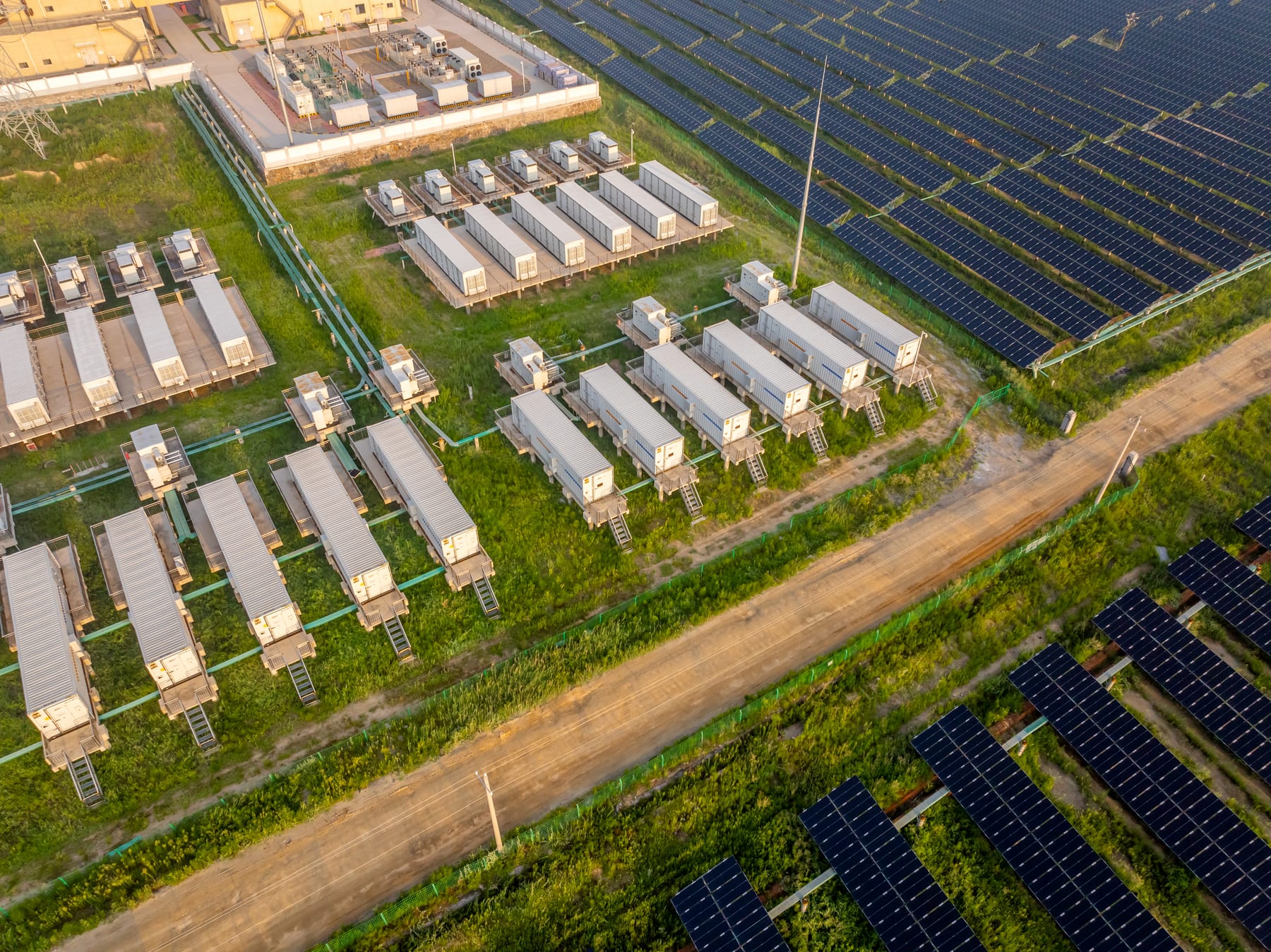
Namibia's 45 MW / 90 MWh Lithops battery facility will provide flexible grid capacity through a new connection at Lithops Substation.
The challenge
NamPower must integrate a utility-scale lithium-ion battery into the 220 kV Lithops Substation while maintaining stringent requirements for performance, availability, safety and environmental management. The project also needs a procurement and delivery structure that protects long-term operational value across design, construction and commissioning.
Our goal
Lithops is planned as a 45 MW / 90 MWh storage asset that can strengthen flexibility in Namibia's power system. The facility targets high availability, efficient energy cycling and a 15-year operational life, with commercial operation planned for the third quarter of 2028.
Our approach
Preparation begins with employer's requirements, procurement documents and support through bidder selection. During delivery, designs are reviewed, equipment is inspected at factory tests and site works are supervised against technical, environmental, social, health and safety obligations. Commissioning, operator training and follow-up during the defects period complete the project-management cycle.
Impact in numbers
Lithops can give NamPower a flexible resource for balancing the system and responding to changes in supply and demand. Careful procurement and supervision reduce delivery risk, while training supports safe operation after handover. A dependable storage asset at this scale can strengthen resilience and support the country's continued transition towards a more adaptable electricity mix.
Key highlights
- The two-hour battery is designed for 45 MW of power and 90 MWh of stored energy.
- Source requirements set an 80% round-trip efficiency, 95% availability and a 15-year operating horizon.
- Its direct interface with a 220 kV substation places grid performance and connection quality at the centre of the scheme.
Success story
Utility storage creates value across many years, so decisions made before construction are as important as the equipment eventually installed. At Lithops, performance requirements define how quickly, efficiently and reliably the battery should operate. Competitive procurement translates those requirements into accountable contracts, and design review ensures that the selected solution fits the existing 220 kV substation. Factory inspection and construction supervision then test whether the promised quality is becoming reality. With commissioning and staff training completing that chain, NamPower can take ownership of an asset designed for dependable service rather than short-term capacity alone. The positive outcome would be a battery that remains available when the grid needs flexibility most.