
Flagship project
Bringing Solar Home Systems to Rural Communities in Southern Shan State
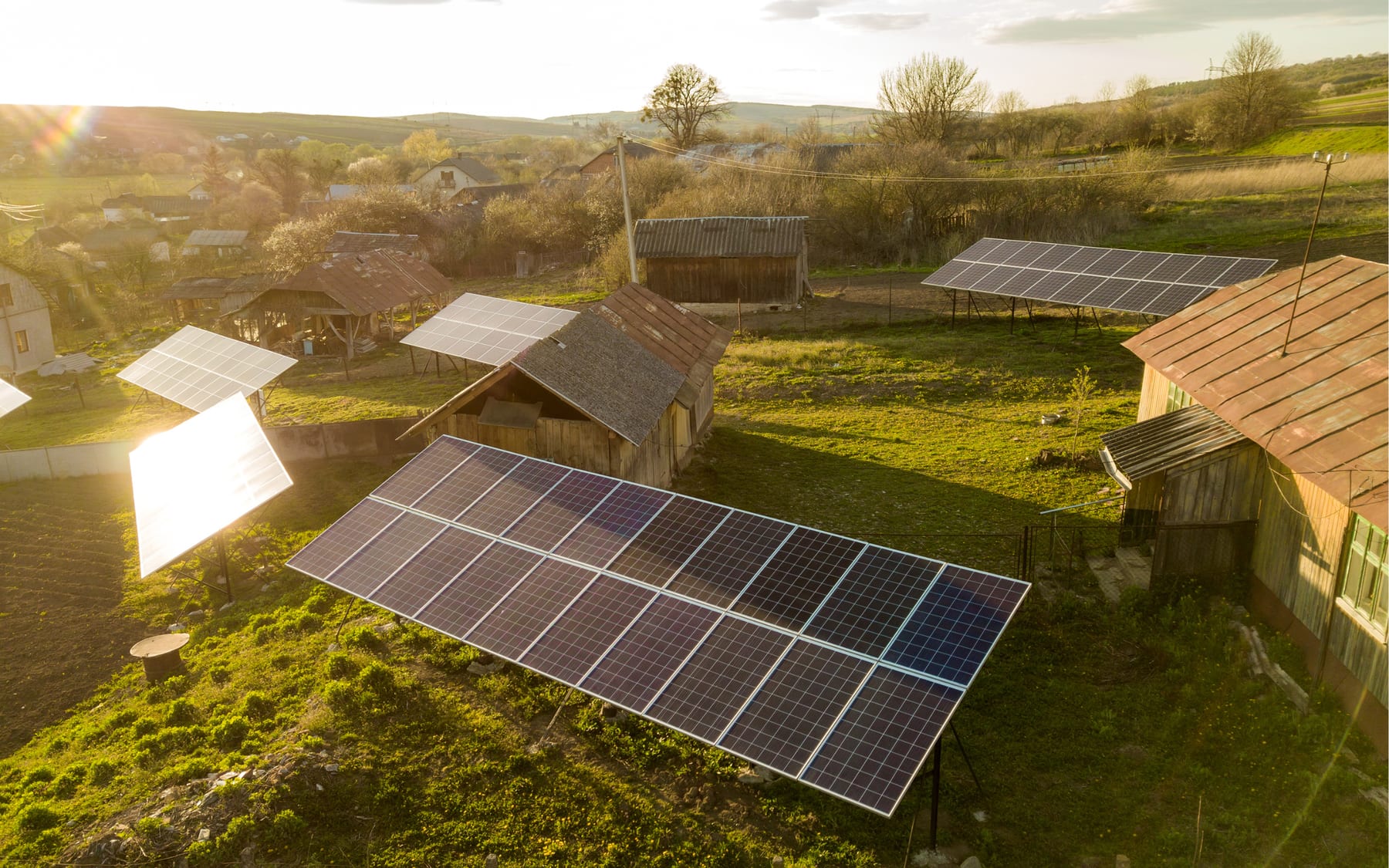
Myanmar's rural-electrification programme uses solar home systems to provide clean, decentralised electricity across three districts in Southern Shan State.
The challenge
Many rural households live beyond practical grid reach and need systems that are affordable, correctly installed and supported throughout their operating life. Quality standards, local installation skills, performance monitoring and responsible battery handling all influence whether household solar access remains dependable.
Our goal
The programme was established to give communities in three Southern Shan State districts access to clean and sustainable electricity. Solar home systems offer a household-scale solution that can be deployed without waiting for central-grid extension, provided delivery and aftercare are organised well.
Our approach
Technical specifications and procurement arrangements set the required system quality. Suppliers and installation companies receive training, while implementation is tracked through application- and web-based management information. Economic and financial oversight supports disbursement, and coordination around battery recycling addresses an important environmental responsibility within the systems' lifecycle.
Impact in numbers
Households can gain lighting and basic electricity without a conventional grid connection, supporting study, communication and everyday activities. Training improves installation quality, and digital oversight can reveal delivery issues earlier. Responsible battery management reduces environmental risk, helping clean-energy access remain credible and useful across the full operating life of each household system.
Key highlights
- The initiative links hardware delivery with installer capability and digital monitoring.
- Its management platform allows progress to be followed across dispersed communities, while battery-recycling coordination recognises that decentralised access also creates end-of-life obligations.
- The focus on three districts enables implementation experience to develop at a meaningful regional scale.
Success story
A solar home system changes daily life through small, repeated moments: a child can study after dusk, a household can charge a phone and family activities no longer depend entirely on fuel-based lighting. Achieving that result across remote districts, however, requires much more than distributing equipment. Myanmar's programme defines system quality, prepares installers and follows progress through digital management tools. It also considers what happens when batteries reach the end of their useful life. This chain of responsibilities gives each installation a better chance of remaining safe and useful. If maintained, the systems can turn decentralised solar technology into a dependable household service for communities that would otherwise wait much longer for electricity.