
Flagship project
Preparing Two 40 MWp Solar Investments in Mozambique
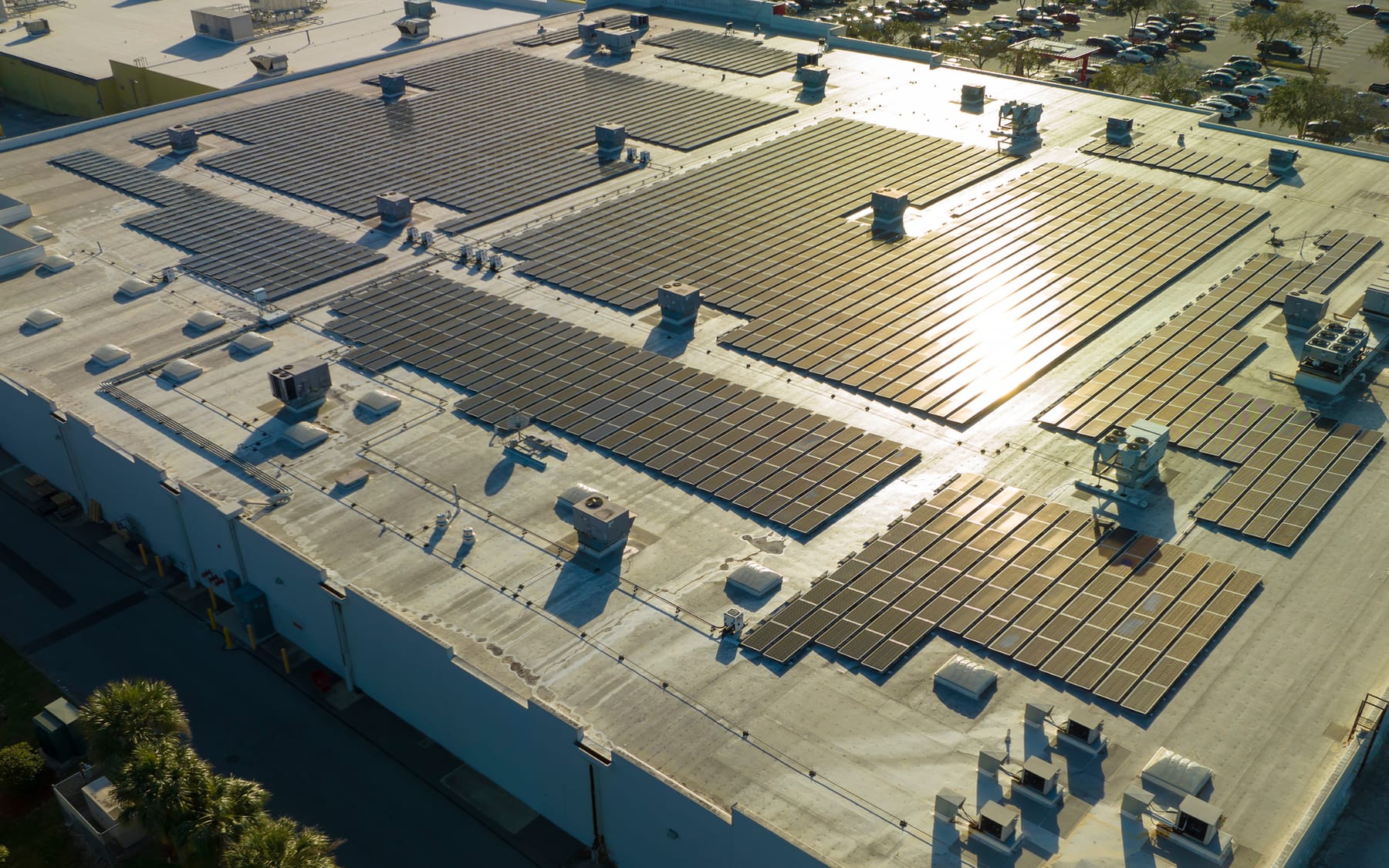
Mozambique assessed two 40 MWp grid-connected solar plants to establish bankable sites and prepare a competitive route for private investment.
The challenge
Solar potential alone does not establish whether a site can support a bankable power plant. Grid capacity, terrain, ground conditions, water, land rights, resettlement risk, environmental impacts and commercial structure all need to be understood before investors can compete on credible terms.
Our goal
The studies aimed to define two feasible 40 MWp solar projects and create the evidence required for a competitive private-investment process. Each site needed a clear technical concept, grid solution, safeguard pathway and financial basis before market engagement could proceed.
Our approach
Technical work covered plant concepts, grid connection, topography, geotechnical conditions and hydrology. Financial modelling tested project viability, while land review, DUAT requirements and a land-acquisition and resettlement action plan addressed tenure and community implications. Environmental and social assessment completed the integrated preparation package for both sites.
Impact in numbers
Well-prepared projects can attract stronger investor interest and reduce the uncertainty that often delays renewable procurement. Mozambique gains clearer knowledge of where solar capacity can connect, what land measures are required and how impacts should be managed. If developed, the two plants would expand grid-connected renewable generation through transparently structured private participation.
Key highlights
- Two plants of equal 40 MWp scale were prepared through a common evidence framework, allowing comparable decisions while respecting site differences.
- Engineering and finance were examined alongside land and safeguards.
- This combination supports a competitive process in which bidders can understand both the opportunity and its obligations.
Success story
The most important output of a feasibility study is not a positive answer; it is a trustworthy answer. Mozambique's two-site assessment tested solar investment from the ground up. Surveys examined terrain and soil, grid analysis considered how electricity could be evacuated, and financial modelling asked whether the project structure could attract private capital. Land rights and potential resettlement were addressed rather than deferred, and environmental and social studies identified responsibilities that future bidders would need to meet. This creates a common body of evidence for public decision-makers and investors. With fewer unknowns and clearer obligations, a competitive process can focus on selecting a capable partner to turn the preferred sites into operating renewable assets.