Flagship project
Expanding Labour-Market-Oriented Vocational Training in Mauritania
Mauritania's PAFTP improves five vocational institutes so that training responds more closely to employment opportunities and the needs of the economy.
The challenge
Vocational training must keep pace with labour demand while facilities remain suitable for Mauritania's climate and institutions can operate specialised equipment. Existing centres needed rehabilitation, new capacity and stronger management so that learners could gain relevant skills in dependable training environments.
Our goal
PAFTP aims to adapt technical and vocational education to the needs of employers and learners, improving prospects for employment and income. Across five institutes, the programme expands practical training capacity and strengthens the institutional foundations required to sustain it.
Our approach
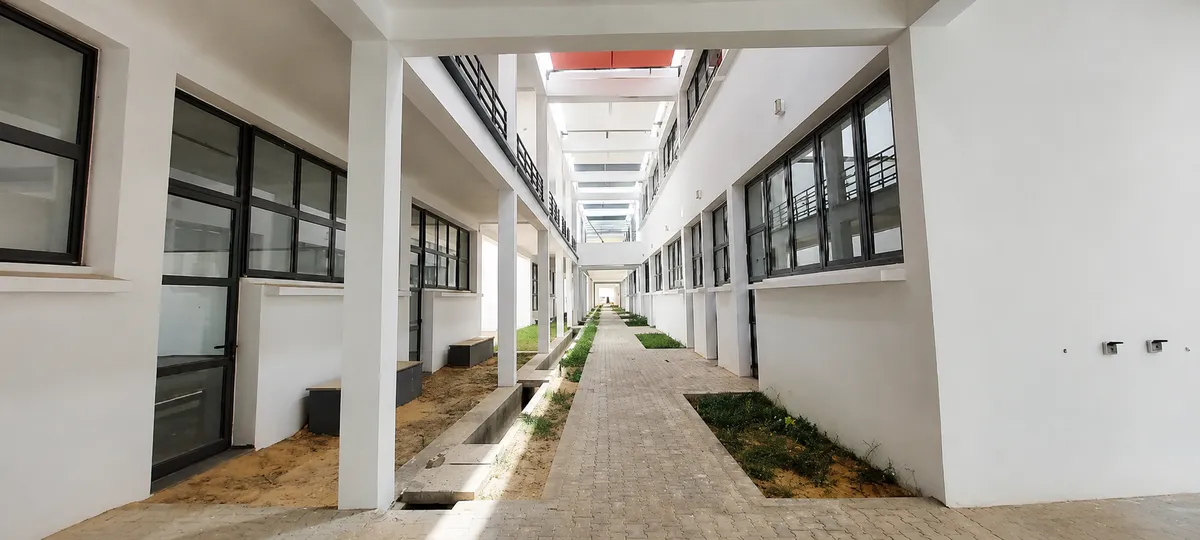
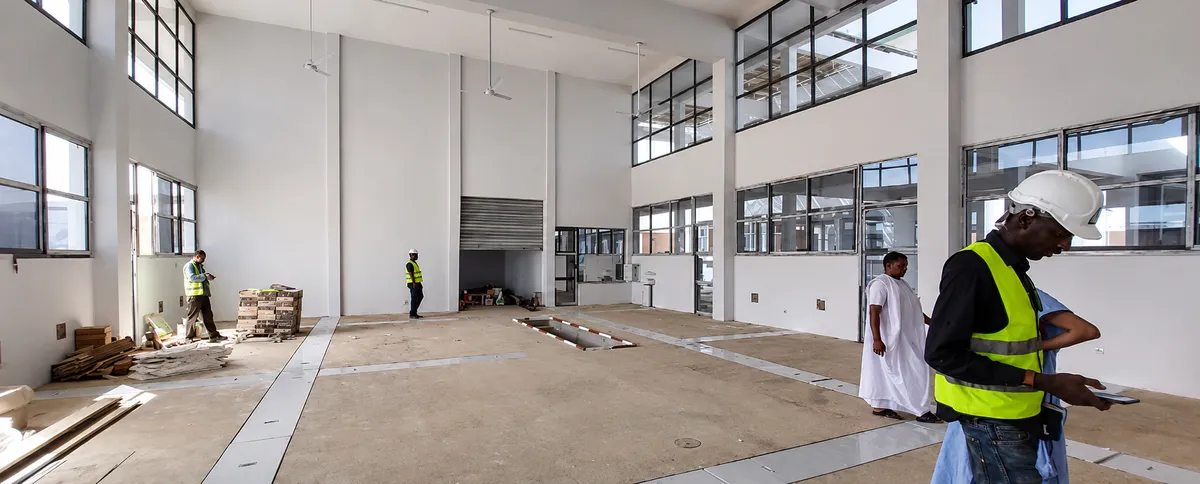
The programme combines rehabilitation, extensions and new construction with equipment and capacity development. Climate-suitable, low-energy designs guide the physical investment, while environmental and social requirements shape implementation. Procurement, works supervision, equipment installation and institutional support connect each facility's delivery with its future training purpose and operations.
Impact in numbers
Learners gain access to training spaces and equipment that are better aligned with practical occupations, giving them a stronger basis for employment or income-generating activity. More capable institutes can respond to changing demand, and climate-conscious design can reduce operating burdens. The programme therefore connects education infrastructure with wider economic participation.
Key highlights
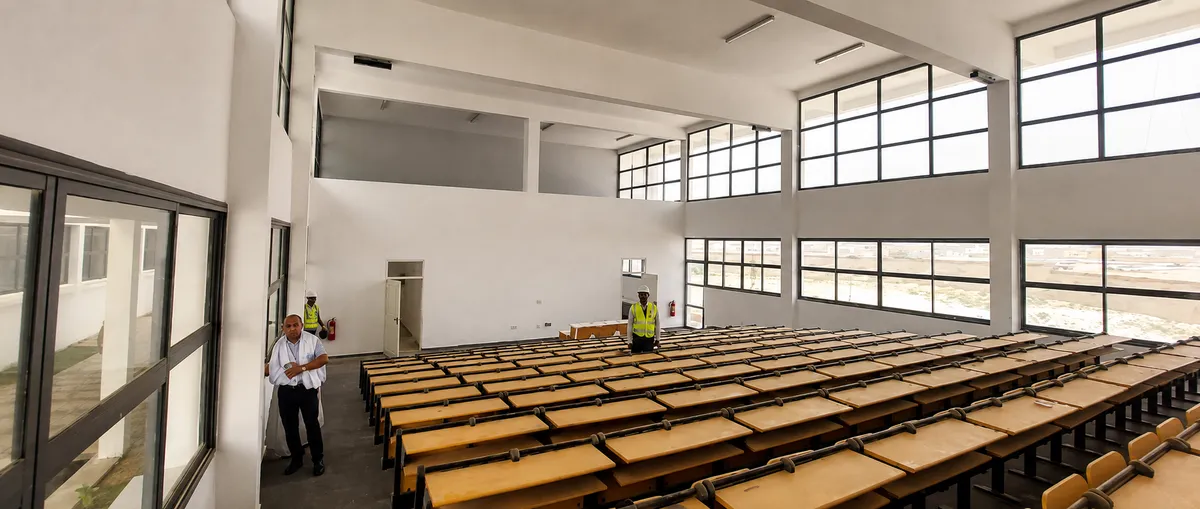
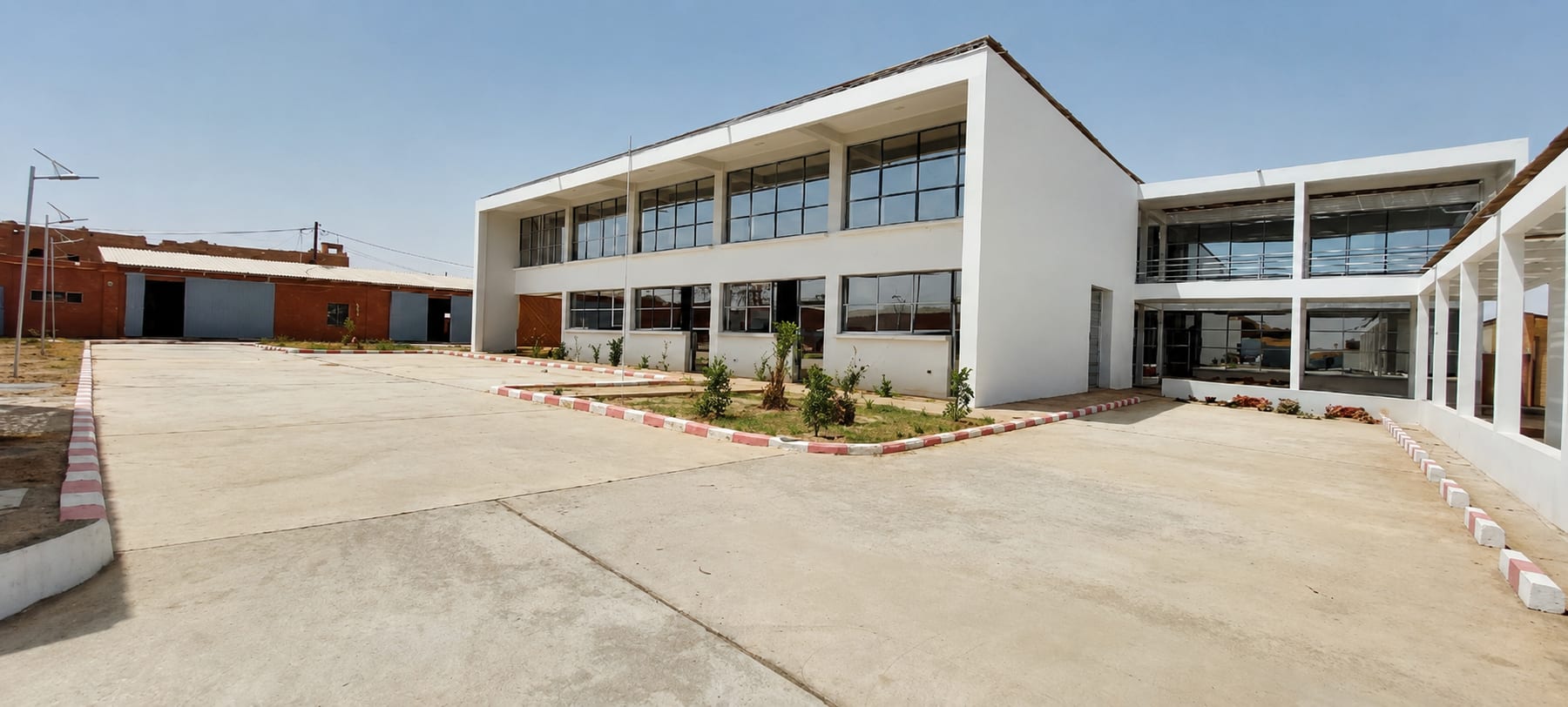
- Facilities in Atar and Rosso were rehabilitated and extended, while a new construction-sector training centre was delivered in Nouakchott.
- The programme also includes an agricultural-training branch in Rosso planned for 2026.
- This range allows infrastructure and curricula to respond to different regional and sectoral opportunities.
Success story
Mauritania's vocational network serves different places and different parts of the economy, so one standard solution would not be enough. PAFTP has worked across existing institutes, extensions and a new centre, shaping each investment around its training role and local setting. Atar and Rosso received renewed facilities, Nouakchott gained a centre focused on construction trades, and an agricultural branch is planned in Rosso. Equipment, safeguards and institutional capacity accompany the buildings. For learners, this creates a more credible connection between the course they choose and the work they hope to enter. For the institutes, it offers a stronger platform for adapting programmes as labour demand changes.
Impressions