Flagship project
Creating Better Learning Environments in Malawi's Teacher Colleges and Primary Schools
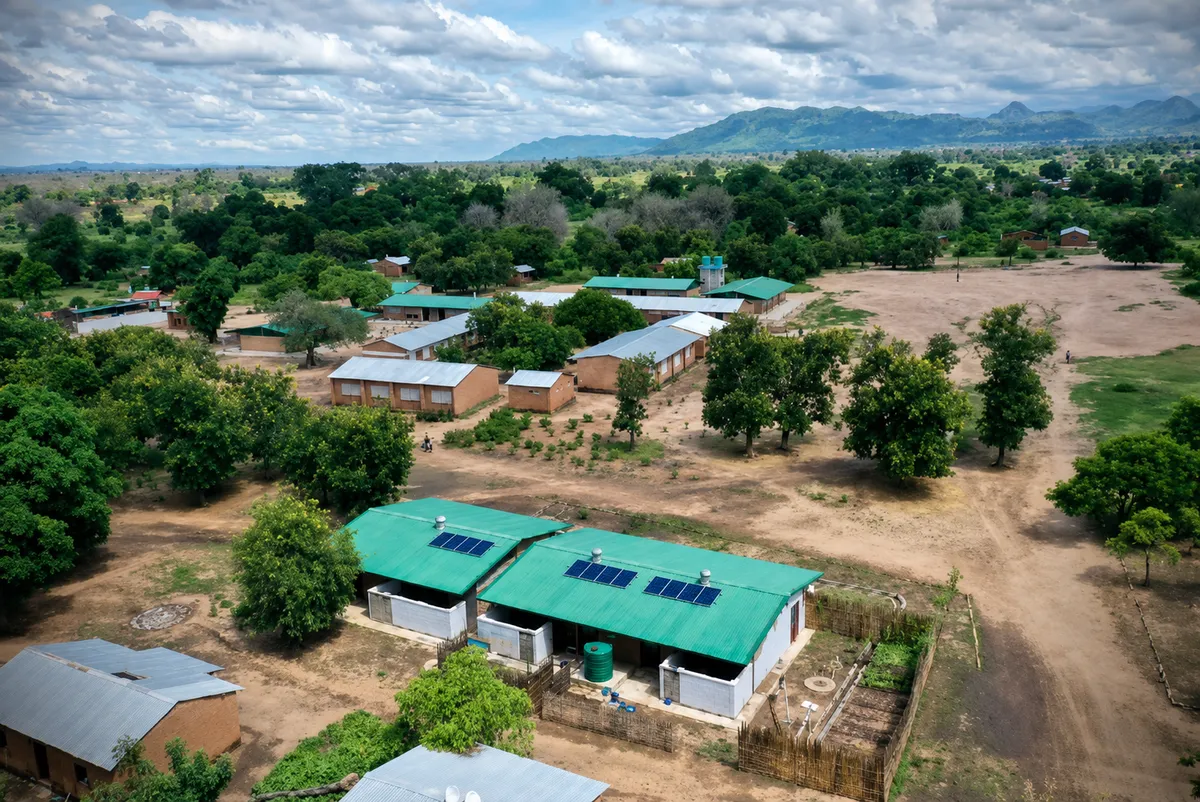
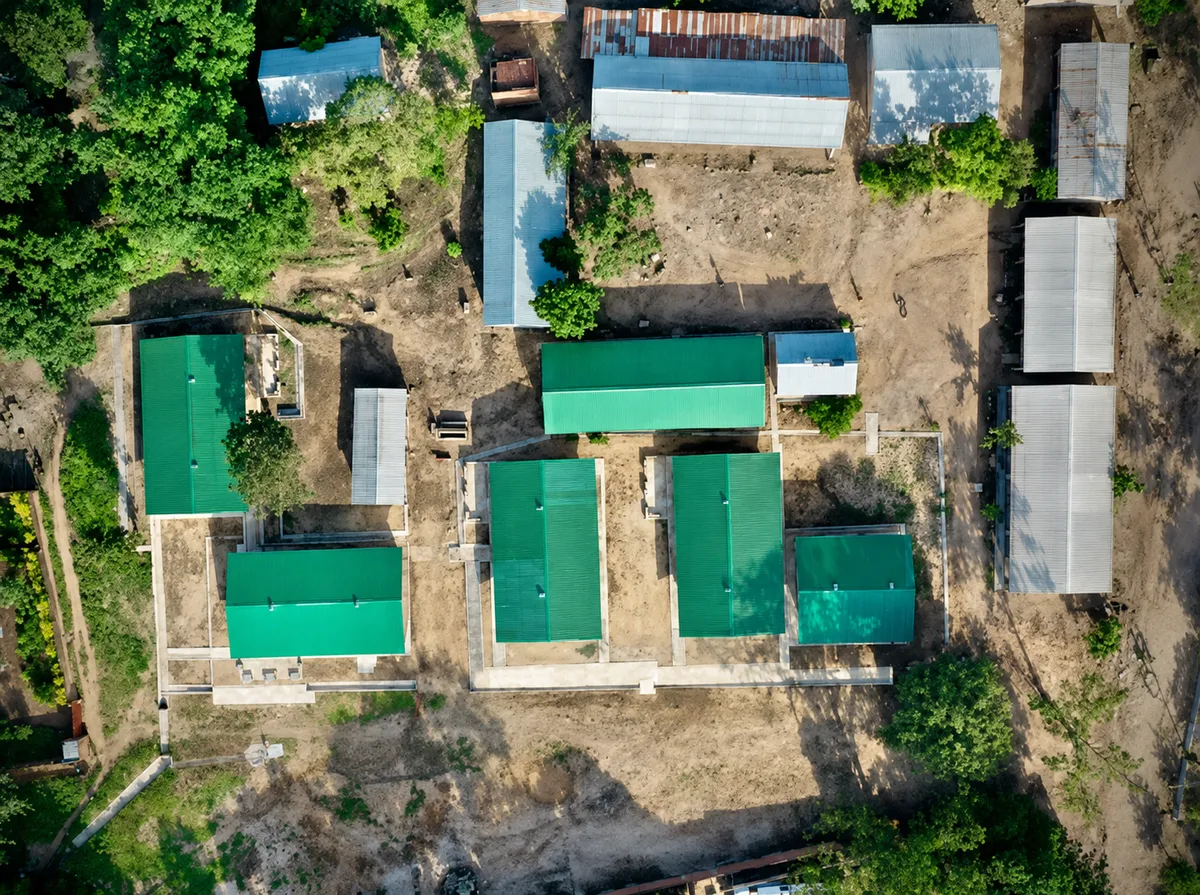
Malawi's education programme improved facilities at three teacher-training colleges and 60 practice schools to support stronger teaching and learning.
The challenge
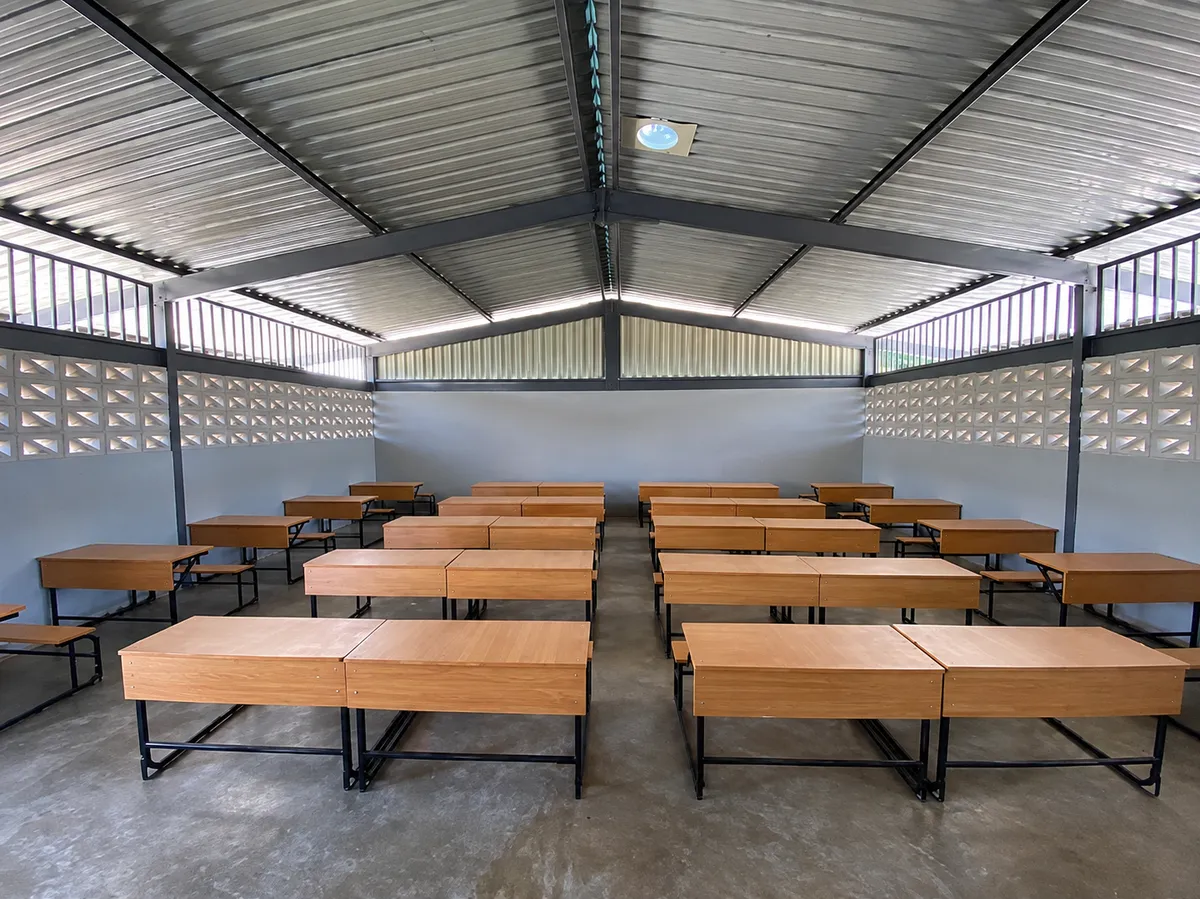
Teachers need suitable places to develop their practice, and pupils need classrooms that are safe, inclusive and maintained. Across participating colleges and schools, infrastructure constraints affected both teacher preparation and the everyday learning conditions in which new methods would eventually be applied.
Our goal
The programme set out to improve the learning environment at three teacher-training colleges and 60 teaching-practice schools. Its purpose was to connect stronger teacher preparation with better school facilities, creating conditions in which effective classroom practice could take root and endure.
Our approach
School communities participated in identifying needs and shaping priorities before designs and tender packages were prepared. Construction and rehabilitation were supervised with environmental, social, health and safety requirements integrated into delivery. A maintenance incentive encouraged institutions to care for completed facilities, linking investment quality with local responsibility after handover.
Impact in numbers
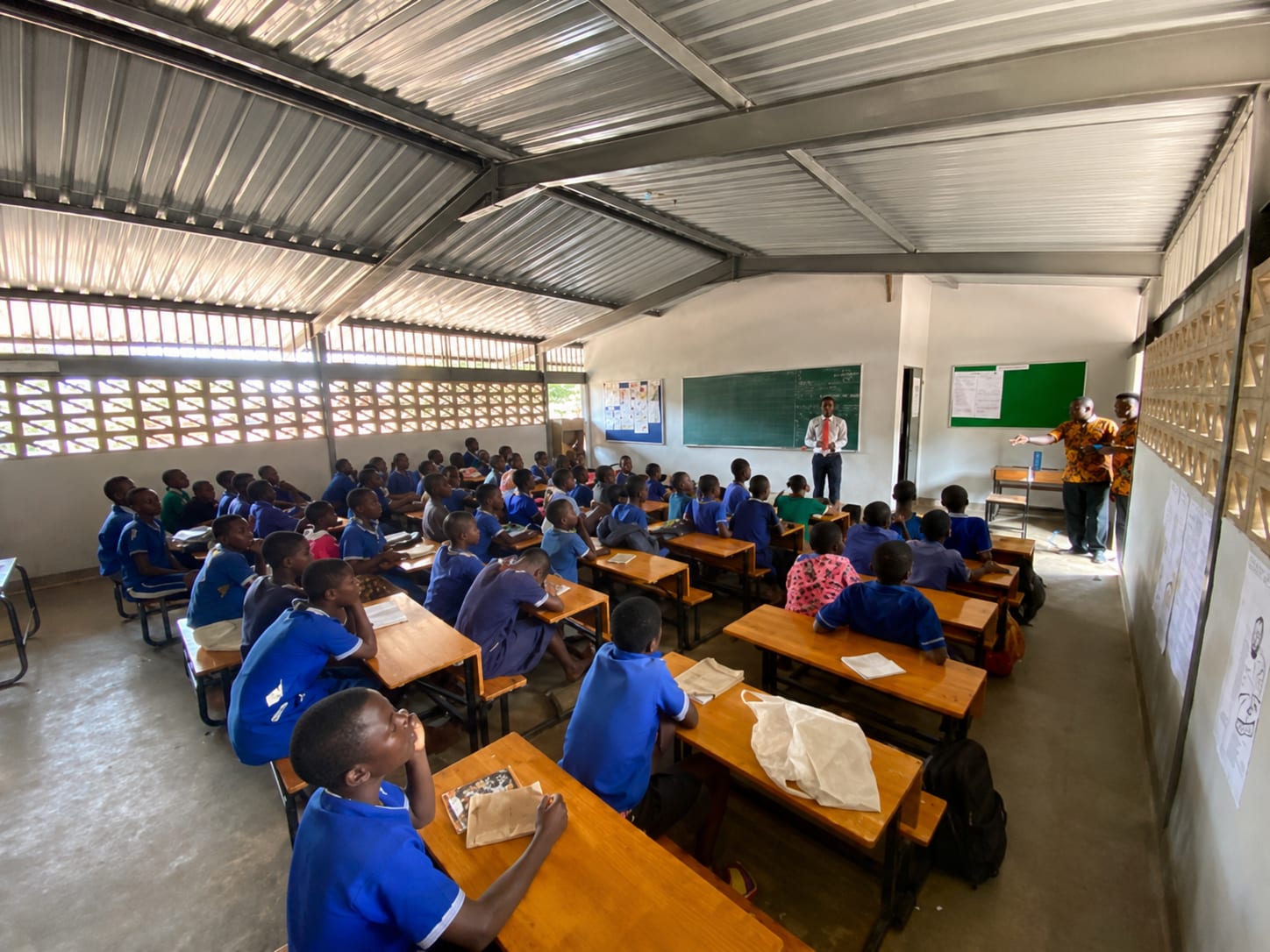
Improved colleges can provide trainee teachers with a more effective setting for professional development, and better practice schools give them classrooms in which to apply what they learn. Pupils benefit from safer, more supportive spaces, while community involvement and maintenance incentives can extend the useful life of the investment. The combined effect reaches teaching quality as well as buildings.
Key highlights
- The programme connected three teacher-training colleges with a network of 60 practice schools, allowing infrastructure improvements to support the pathway from teacher education to classroom application.
- Participatory planning gave users a voice in local choices, while the maintenance mechanism focused attention on the condition of facilities beyond the construction period.
Success story
The relationship between a teacher-training college and a practice school is especially important: one develops professional knowledge, while the other turns that knowledge into daily learning. Malawi's programme strengthened both sides of that relationship. Users helped identify priorities, facilities were designed and improved, and safeguards guided implementation. The maintenance incentive then addressed a familiar risk by encouraging institutions to preserve what had been created. A trainee teacher can therefore learn in a stronger college environment and practise in a school that better supports pupils and teaching methods. When those experiences reinforce one another, infrastructure becomes more than a backdrop; it helps build confidence, consistency and better learning across the education system.
Impressions