
Flagship project
Rehabilitating Lusaka's Low-Voltage Electricity Network
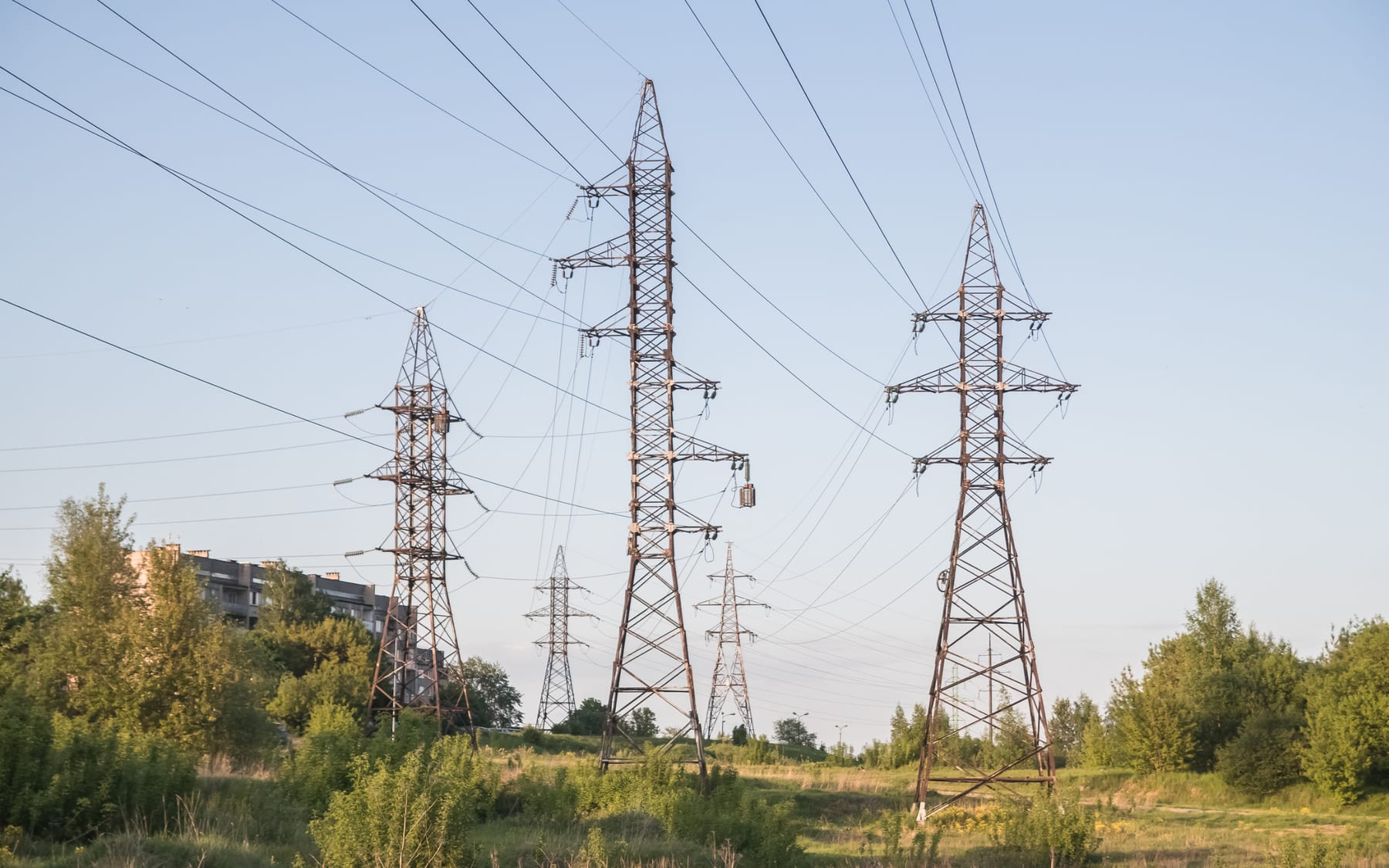
Lusaka's distribution programme is renewing low-voltage lines and transformers to improve electricity delivery and prepare the network for future renewable generation.
The challenge
Ageing and constrained low-voltage infrastructure can limit service quality even when upstream power is available. Across roughly 1,250 kilometres of network, existing assets, customer conditions and future demand needed to be understood before rehabilitation and new connections could be designed and built safely.
Our goal
The project aims to strengthen electricity distribution in Lusaka through targeted line and transformer investment. It is intended to improve the network's ability to serve households and businesses while creating a sounder technical platform for integrating variable renewable energy in the future.
Our approach
Surveys cover approximately 1,250 kilometres of low-voltage lines and associated transformers, supported by a socio-economic baseline. Findings guide designs for new and rehabilitated equipment, procurement documents and construction packages. Works are supervised through testing and acceptance, while network studies consider how variable renewable generation can be integrated.
Impact in numbers
A stronger low-voltage network can reduce local constraints and improve the reliability of electricity reaching customers. Better information on assets and users also supports more precise future investment. By considering renewable integration during rehabilitation, Lusaka can renew today's distribution infrastructure without closing off tomorrow's cleaner generation options or emerging service needs.
Key highlights
- The programme combines a large physical survey with household and community evidence, allowing technical priorities to be seen alongside service needs.
- New lines and transformers are not treated as isolated replacements: testing, defect follow-up and final acceptance protect quality, and renewable-integration analysis looks ahead to a changing supply mix.
Success story
For customers, the electricity system is experienced through the local line and transformer serving a street or neighbourhood. Problems at that level can undermine improvements made elsewhere in the grid. Lusaka's programme therefore begins with a broad survey of the low-voltage network and the communities it serves. Designs can target the sections where new lines, transformers or rehabilitation will create the greatest practical benefit. Supervision and testing then ensure that construction meets its intended standard. Looking ahead, the renewable-integration work asks how this renewed network can accommodate a changing generation mix. The project can thus improve present-day delivery while giving the city a distribution foundation better prepared for future energy choices.