
Flagship project
Building Logistics Skills across the Southern Mediterranean
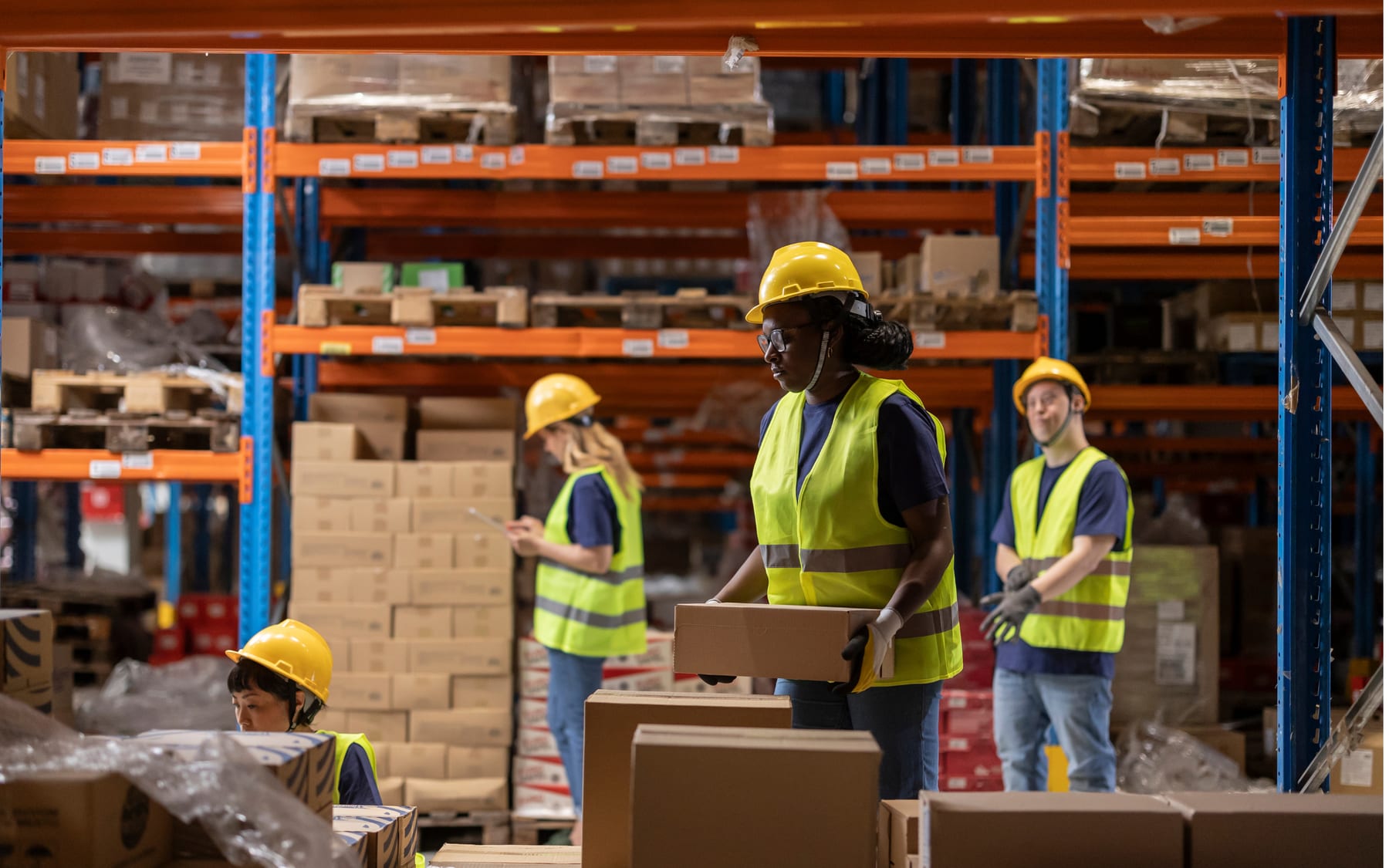
The Logismed initiative strengthens professional logistics skills and national associations across the Southern Mediterranean through shared curricula, training and regional cooperation.
The challenge
Logistics-sector competitiveness in Southern Mediterranean countries depends on stronger professional skills, capable national associations and training that responds to market needs. Skills development must reach trainers, practitioners and sector bodies so that improved logistics practice becomes embedded locally rather than ending with a single training cycle.
Our goal
Logismed improves logistics competitiveness by building professional skills that respond directly to market needs. It also seeks to reinforce the national associations that represent the profession, enabling them to support training, knowledge exchange and service improvement beyond individual project activities.
Our approach
Logistics associations receive organisational support so they can play a stronger sector role. Training curricula are developed around professional needs, followed by programmes for trainers and practitioners. Knowledge is shared across participating countries, and a regional logistics-platform network connects national efforts and encourages continued cooperation.
Impact in numbers
Professionals can improve the skills they use in daily logistics operations, and employers gain access to training that is more consistent with market requirements. Stronger associations can represent sector needs, maintain learning offers and connect national stakeholders. Regional exchange broadens exposure to good practice. The durable asset is a professional learning network that continues to strengthen logistics practice after the initial training programme ends.
Key highlights
- The project produces practical learning resources, a group of trained trainers and professionals, stronger sector associations and a regional exchange platform.
- Its train-the-trainer model helps knowledge reach a wider audience, while the network allows institutions to update and compare practice as logistics markets continue to evolve.
Success story
Logistics performance depends on the people who plan routes, manage warehouses, coordinate freight and respond when supply chains change. The Logismed initiative invests directly in that professional capability. Curricula translate market needs into structured learning; trainers gain the methods to pass knowledge on; and practitioners apply new skills within their organisations. National associations become stronger anchors for the profession, while the regional platform allows experience to circulate across borders. In the Southern Mediterranean, success would be visible in more confident professionals, employers receiving better-quality services and associations able to continue developing the sector. The long-term asset is not a single course, but a training and cooperation system that can evolve with the market.