
Flagship project
Mapping Sustainable Biomass Opportunities for Electricity Access in Liberia
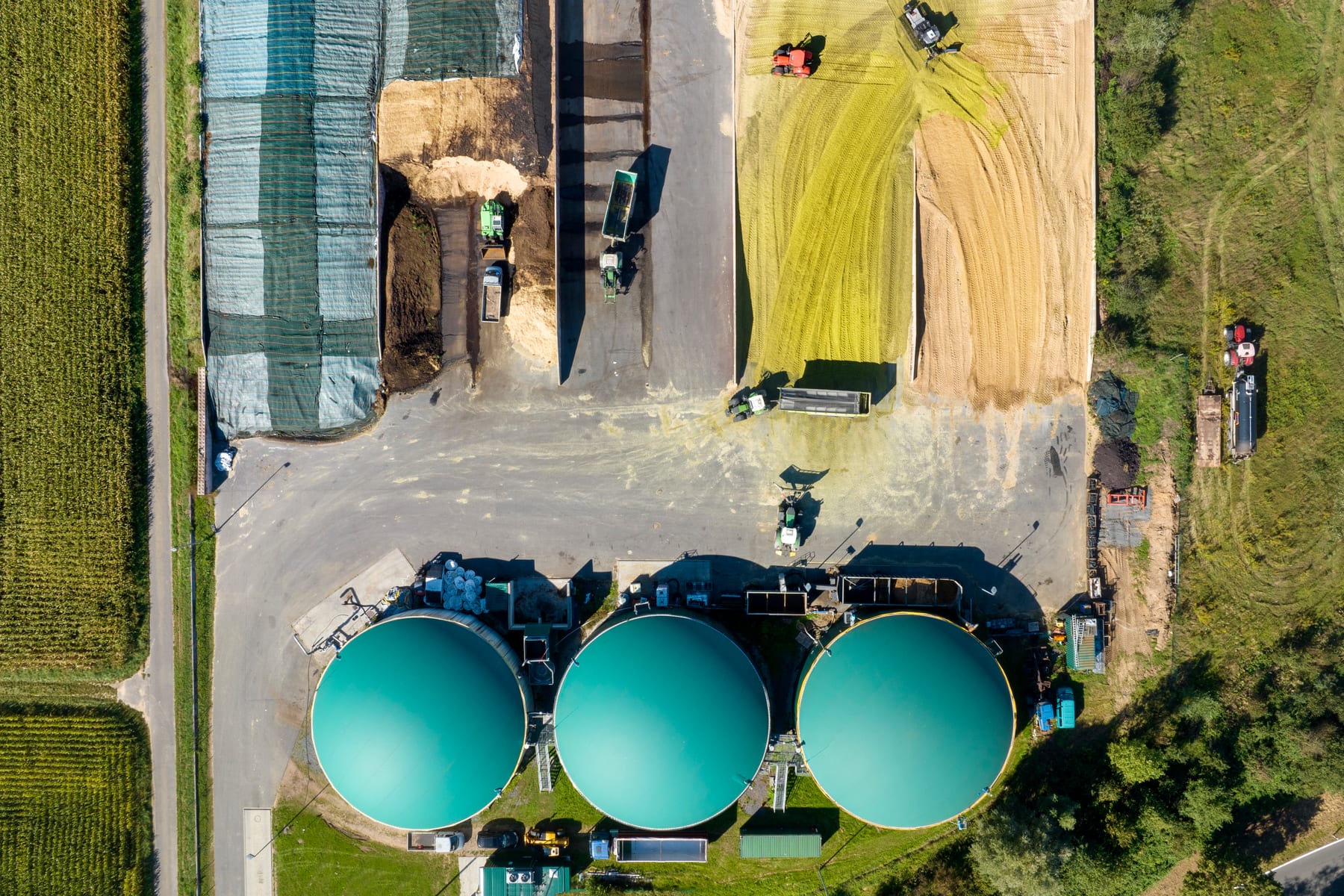
Liberia's biomass study mapped resources and competing uses to identify five viable concepts for expanding electricity access through locally available energy.
The challenge
Biomass can support electricity access only when the resource is genuinely available after food, livelihood and other competing uses are considered. Potential schemes also need realistic demand, logistics, environmental safeguards, legal arrangements and operating models suited to their rural or urban setting.
Our goal
The study aimed to turn Liberia's broad biomass potential into a focused set of technically, economically and environmentally credible electricity concepts. Five opportunities would give the national SREP and IPRE programmes concrete options for extending access through locally grounded renewable resources.
Our approach
Resource information was assembled and mapped through GIS, then tested against competing uses and local electricity demand. Candidate schemes were compared through technical, economic, environmental, social and legal analysis. Operating and maintenance needs were considered alongside implementation arrangements, and training strengthened the ability of institutions to use the findings.
Impact in numbers
A focused pipeline allows Liberia to spend preparation resources on biomass concepts with a stronger evidence base. Locally available fuels could support electricity access and productive use while creating value within supply chains, provided safeguards are maintained. The analysis also reduces the risk of schemes that would compete unsustainably with existing livelihoods or resources.
Key highlights
- Spatial mapping made it possible to distinguish theoretical biomass from resources that could realistically support power generation.
- The study narrowed the opportunity set to five rural-electrification concepts and examined each beyond technology alone.
- Competing use, safeguards, economics and long-term operation shaped the final view of viability.
Success story
A map may show abundant organic material, but a power project cannot assume that all of it is available. Liberia's study worked from that distinction. It examined where biomass occurs, how communities and industries already use it, where electricity demand exists and what collection or transport would involve. Technical and financial analysis then sat alongside environmental, social and legal considerations. From this wider evidence, five concepts could be identified for further attention. That process protects decision-makers from investing in attractive but unrealistic ideas. It also creates the possibility that a well-chosen project could produce local electricity, support economic activity and make productive use of a resource without displacing more important needs.