
Flagship project
Strengthening the Kenya-Uganda Trade Corridor
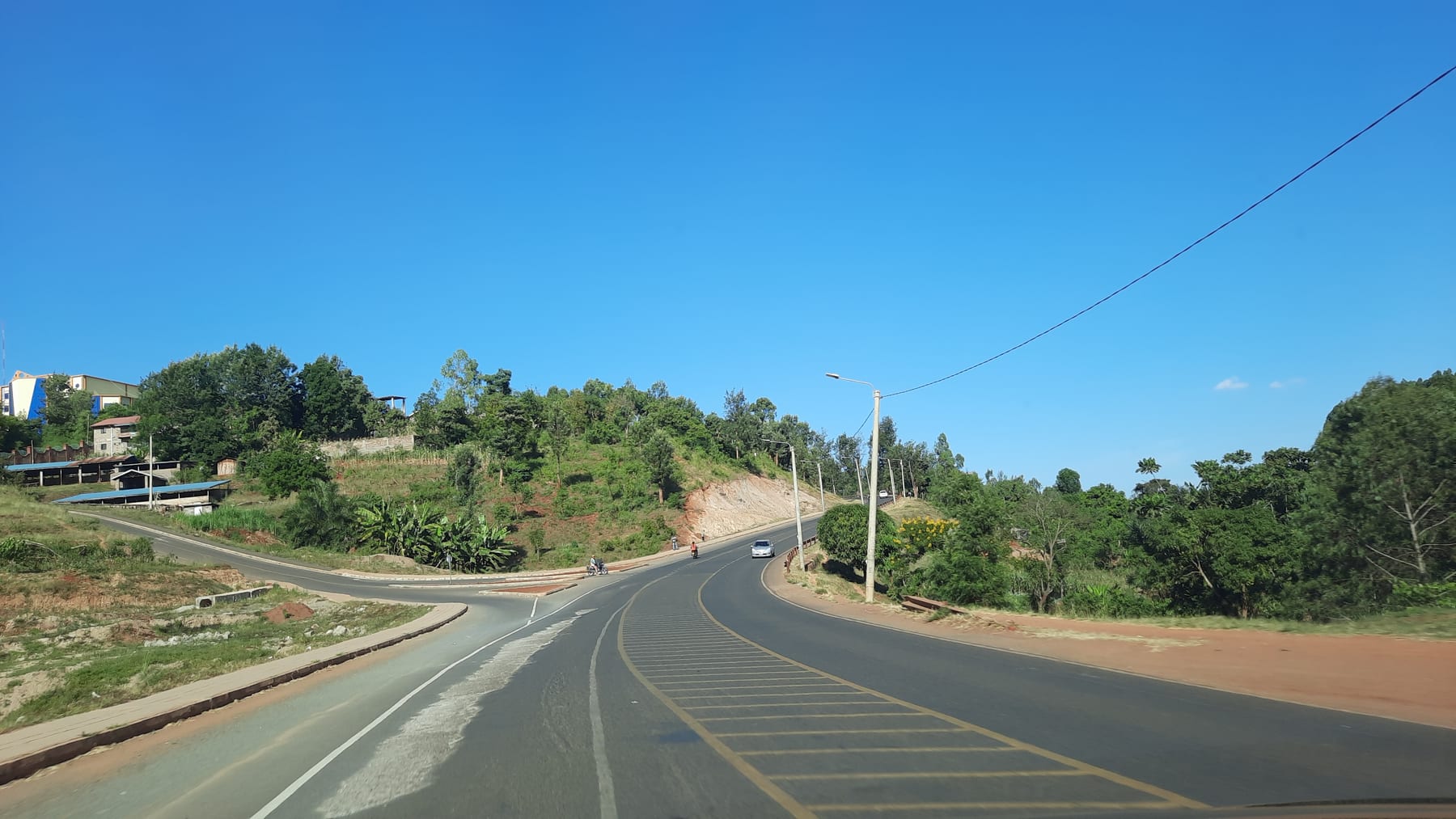
Feasibility and financing studies are preparing a stronger Kenya-Uganda road corridor to improve cross-border movement, trade and access between Kisumu and Malaba.
Businesses may benefit from shorter delays, lower vehicle and logistics costs and more dependable access to regional markets. Travellers can gain safer and better-connected journeys, while border agencies receive infrastructure concepts aligned with corridor needs. A well-founded financing approach can improve the prospects for implementation. A credible corridor proposal provides the foundation for faster cross-border movement, lower logistics costs and stronger regional trade.
The challenge
Border delays, infrastructure gaps and institutional constraints increase the time and cost of moving people and goods along the Kenya-Uganda corridor. Road design, border operations, environmental and social responsibilities and the financing model all shape whether an upgraded route will improve regional movement in practice.
Our goal
The Kenya-Uganda corridor studies determine how the route can be upgraded in a technically sound, financially realistic and environmentally responsible way. It aims to reduce the time and cost of moving people and goods while resolving border and institutional constraints that affect the corridor's performance.
Our approach
Technical and economic feasibility work establishes improvement options, supported by traffic and axle-load surveys that reveal current and future demand. Border-post design addresses a critical point in cross-border movement. Environmental and social assessment tests potential impacts, while financial modelling and market sounding examine how a viable investment could be funded and delivered.
Key highlights
- The studies bring road infrastructure, border operations and financing into one corridor assessment.
- Outputs include demand evidence, preliminary border-post concepts, economic appraisal, safeguard findings and feedback from potential market participants.
- This allows decision-makers to compare options on the basis of both public value and deliverability.
Success story
Every delay along a trade corridor is felt by someone: a driver waiting at a border, a business carrying extra inventory or a passenger facing an uncertain journey. The Kenya-Uganda studies examine where those delays originate and what investment can address them. Traffic surveys show how the route is used, axle-load data informs durable design, border-post planning tackles a key operational bottleneck and market sounding tests financing interest. Environmental and social assessment keeps potential impacts visible. For the Kenya-Uganda corridor, the lasting result is a corridor proposal that is not only ambitious but credible. If advanced, it could make regional movement faster and more reliable, helping producers, traders and communities connect to opportunity on both sides of the border.