
Flagship project
Greener, More Efficient Water Services in Jordan
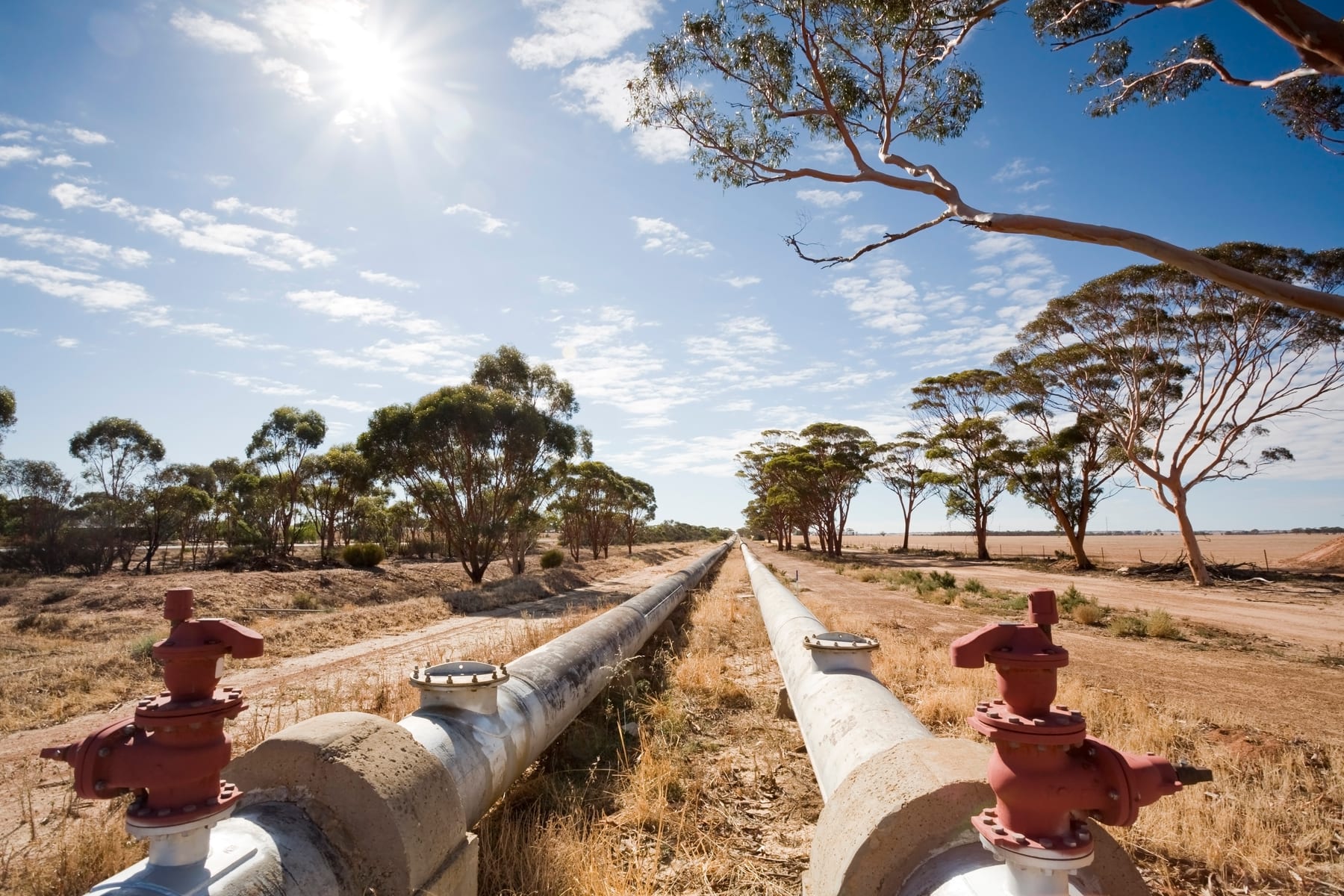
Jordan's water-sector investment integrates energy-efficient design and renewable power to lower operating costs, reduce emissions and improve service reliability.
Water utilities can benefit from lower electricity use, reduced operating costs and infrastructure that is more reliable in service. Renewable energy can cut the carbon footprint associated with pumping and treatment, while careful supervision helps ensure that projected efficiencies are actually built into the assets. Customers stand to gain more dependable services. Efficiency and renewable energy reduce operating pressure on water providers and support more reliable services in a resource-scarce setting.
The challenge
Jordan's water utilities face high energy costs and scarce water resources, making efficient infrastructure and renewable-energy integration essential for sustainable service delivery. Reducing energy demand, integrating renewable generation and improving operational performance must form a single investment strategy rather than separate technical exercises.
Our goal
Jordan's water-sector investment makes essential services less energy-intensive, more efficient and more dependable. It aims to prepare and deliver infrastructure that improves operational efficiency while incorporating renewable energy and responsible environmental and social management.
Our approach
Detailed design defines the required water infrastructure, efficiency systems and renewable-energy components. Environmental and social planning shapes the proposed works before tender documents are prepared. Procurement support guides the selection and contracting process, and construction supervision protects technical quality as the designs are converted into operating assets.
Key highlights
- The assignment maintains one line of oversight from design through construction.
- It will produce integrated technical packages, completed tenders and supervised works covering water assets, energy-saving systems and renewable generation.
- Combining these elements at design stage reduces the risk that energy performance is treated as a later add-on.
Success story
Moving and treating water requires substantial energy, making electricity costs a direct challenge for Jordan's utilities and customers. This investment tackles the problem within the infrastructure itself. Designers consider efficient equipment and renewable-energy integration alongside core water-service requirements; procurement translates that integrated concept into enforceable contracts; and supervision checks that construction follows the intended standard. Environmental and social planning keeps delivery attentive to wider impacts. The desired change is a utility system that can provide reliable service with less energy and fewer emissions. Savings can strengthen operational sustainability, while the completed assets demonstrate how water security and clean-energy objectives can be pursued through the same investment.