
Flagship project
Planning Better Bus Rapid Transit in Indonesia
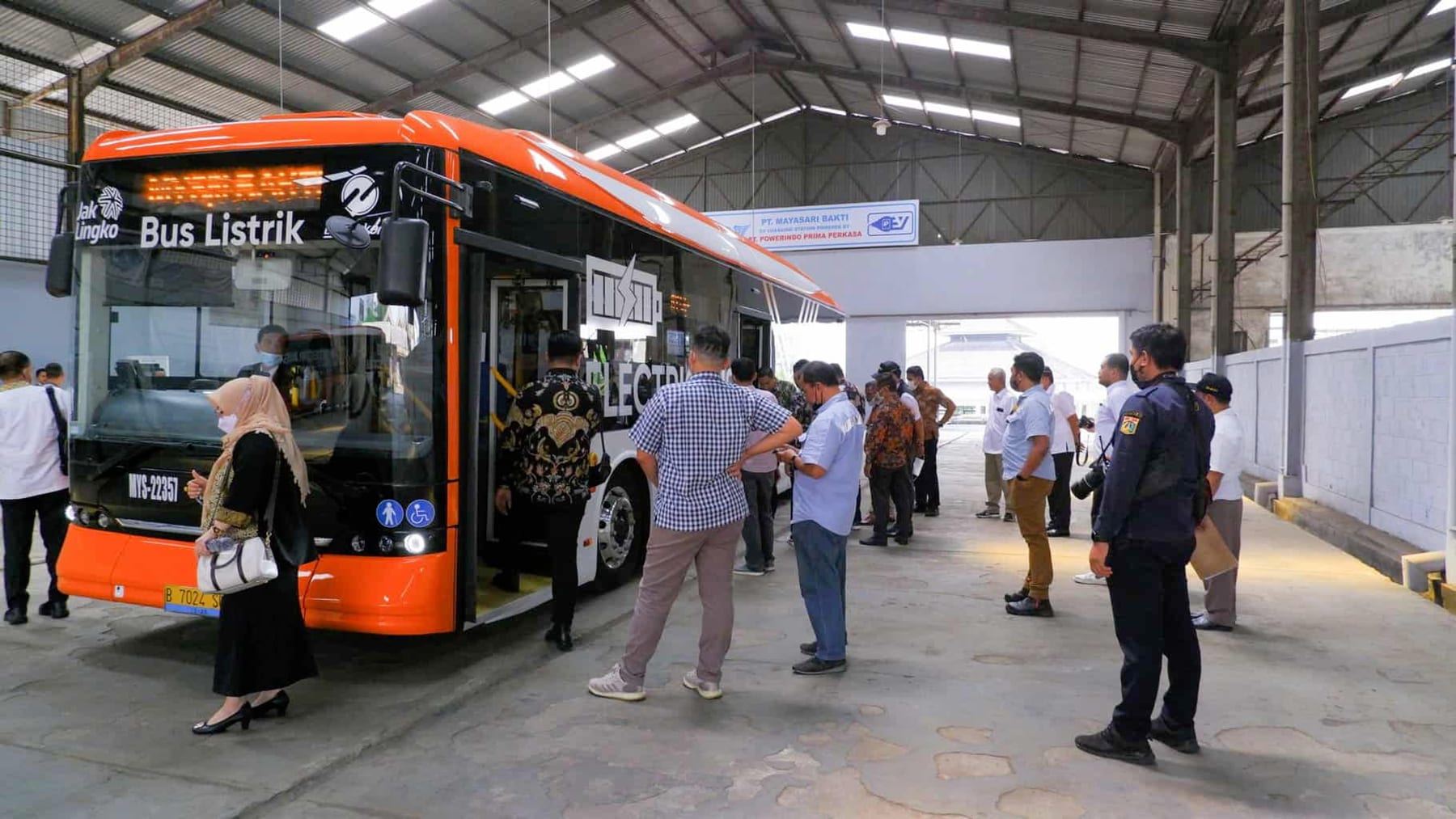
Five Indonesian cities are developing viable bus rapid transit concepts grounded in demand, accessibility, institutional readiness, finance and environmental performance.
The challenge
Fast-growing Indonesian cities need well-planned, accessible and financeable public-transport systems to reduce congestion and improve urban mobility. A successful BRT concept must reflect each city's travel demand, operating institutions, affordability, accessibility and environmental conditions instead of reproducing a generic model.
Our goal
The Indonesia BRT studies help five cities define public-transport systems they can realistically deliver and sustain. Each proposal must respond to local travel demand, provide accessible service, fit institutional responsibilities and present a financial and risk profile that supports informed investment decisions.
Our approach
Feasibility studies establish the overall case for BRT in each city, supported by detailed transport-demand analysis. Institutional design clarifies ownership and operating responsibilities, while financial assessment tests affordability and funding options. Accessibility and environmental analysis shape system quality, and project-risk management identifies matters requiring resolution before implementation.
Impact in numbers
City authorities can make better choices about BRT scale, design and delivery based on evidence rather than expectation. Stronger preparation can improve access to future finance and reduce the risk of systems that are unaffordable or poorly matched to demand. Residents stand to benefit from more accessible public transport, lower congestion and better daily mobility if the proposed investments progress. Each city receives a credible basis for deciding how BRT should be designed, financed, governed and carried forward.
Key highlights
- The assignment will produce five city-specific feasibility packages rather than a single generic model.
- These combine ridership evidence, organisational arrangements, financing analysis, accessibility requirements and environmental considerations.
- Risk registers help each city distinguish issues that can be managed during preparation from those that could undermine a future project.
Success story
A bus rapid transit system can transform urban mobility, but only when it is designed around the city that will use and operate it. The five Indonesian studies begin with travel demand and then examine the institutions, finance, accessibility standards and environmental conditions that shape a workable service. This can prevent a city from copying an unsuitable model or underestimating operating responsibilities. Risks are identified while there is still time to redesign the proposal. For residents, the future benefit could be a faster and more dependable public-transport option; for city governments, it is the confidence that investment is based on realistic evidence. Each well-prepared concept can become a credible step towards implementation.