
Flagship project
Preparing Mini-Grid Investment in Guinea
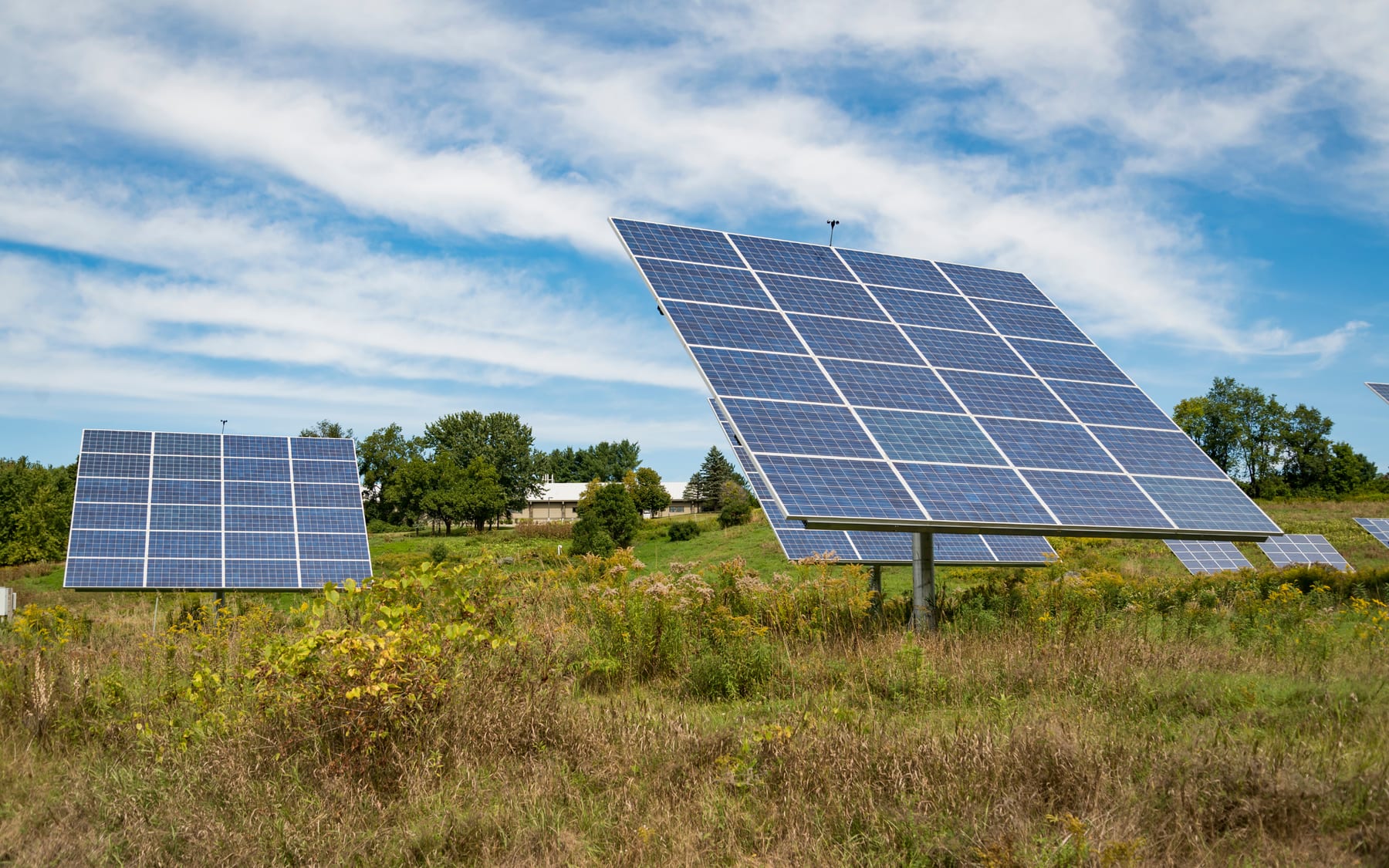
Guinea's mini-grid programme prepares investable rural electrification schemes designed to extend clean electricity access to approximately 60,000 households.
The challenge
Many rural communities in Guinea are unlikely to receive a national-grid connection in the near term, making clean mini-grids essential for wider electricity access. Investment decisions must account for local demand, affordability, safeguards and long-term operation if mini-grids are to provide dependable services beyond the national grid.
Our goal
Guinea's mini-grid programme gives selected rural communities a practical route to electricity where national-grid connection is unlikely in the near term. Its objective is to identify mini-grid locations that are technically workable, financially viable and socially and environmentally appropriate, then prepare them for competitive investment and delivery.
Our approach
Candidate locations are investigated through technical, economic and financial studies, accompanied by social and environmental assessment. Findings are used to refine system concepts and determine which sites merit investment. Competitive bidding arrangements are then prepared, while an investment plan brings the selected opportunities together and sets out how they can progress.
Impact in numbers
Rural households and enterprises can gain better prospects for reliable electricity, supporting daily services, productive activity and local development. Authorities benefit from a transparent way to compare locations and prioritise investment, while developers receive opportunities with stronger technical and financial preparation. A structured mini-grid pipeline brings reliable electricity closer to communities while giving Guinea a repeatable model for rural electrification.
Key highlights
- The assignment will produce feasibility evidence for proposed mini-grid sites, procurement documentation for a competitive selection process and an investment plan covering the preferred locations.
- By resolving site, demand, cost and safeguard questions before bidding, the programme gives public authorities and prospective developers a clearer basis for participation.
Success story
For many rural communities in Guinea, the question is not when the national grid will arrive but whether another dependable solution can be prepared. The mini-grid programme starts with local realities: demand, site conditions, affordability, environmental constraints and the needs of future operators. Feasibility work can distinguish strong locations from weak ones before investment is committed. Competitive bidding then creates a transparent route for capable developers, supported by an investment plan that places individual sites within a broader programme. For Guinea, the change is tangible. Households, schools, health facilities and businesses could gain access to electricity sooner, while public institutions build a repeatable process for extending clean power to communities beyond the grid.