Flagship project
Shaping Renewable Mini-Grids Development in Rural Guinea
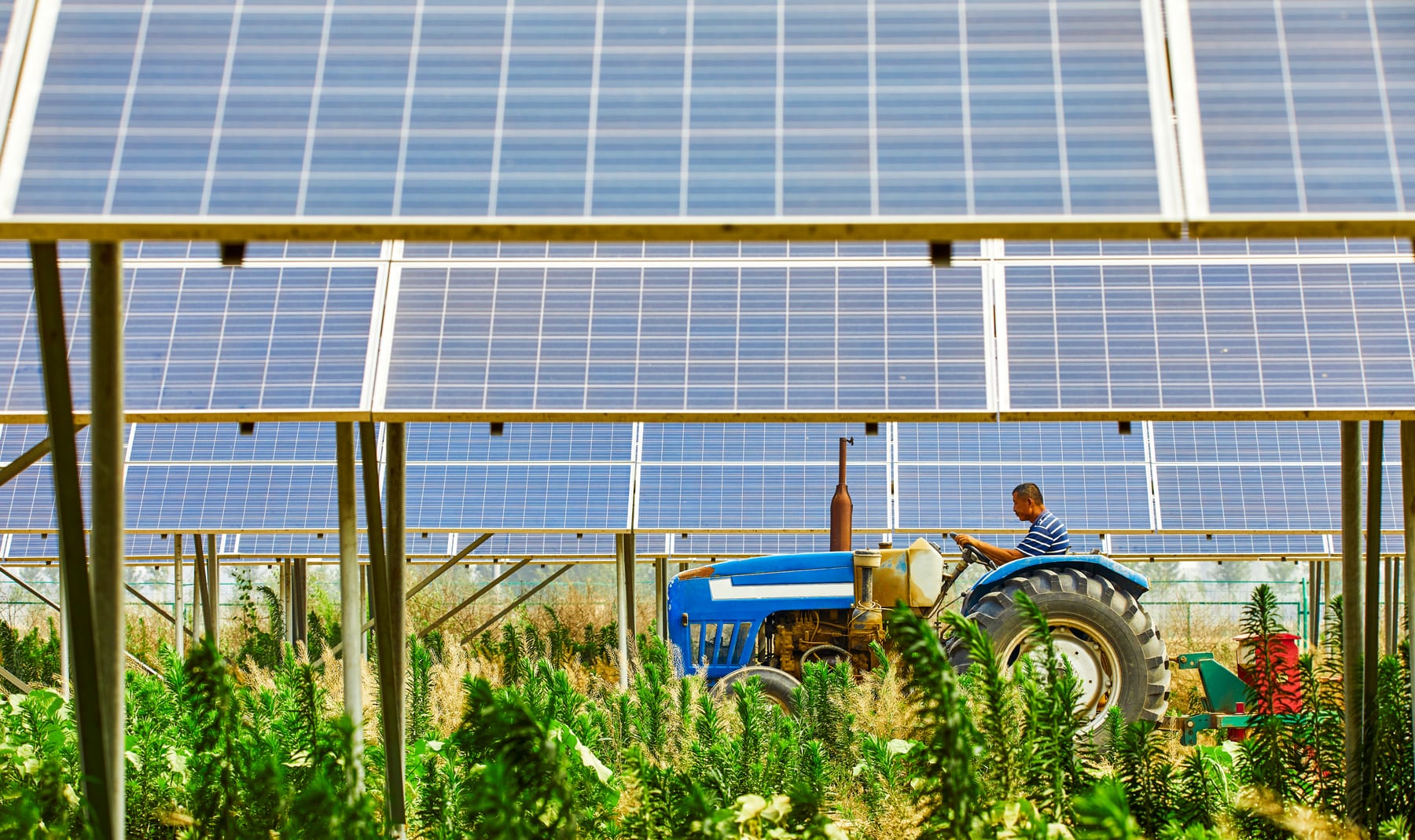
Guinea's feasibility programme prepared 45 renewable mini-grids combining solar, batteries and limited diesel backup for communities beyond near-term grid reach.
The challenge
Scattered settlements need reliable electricity, yet demand, affordability, road access, local institutions and environmental conditions differ from one locality to another. A 45-site programme must create enough standardisation for efficient procurement without ignoring the factors that determine whether each mini-grid can operate sustainably.
Our goal
A technically and financially feasible programme of 45 renewable mini-grids under a concession model was the study's intended result. It sought to expand rural electricity access while keeping diesel use low, managing social and environmental risk and giving future operators a realistic commercial framework.
Our approach
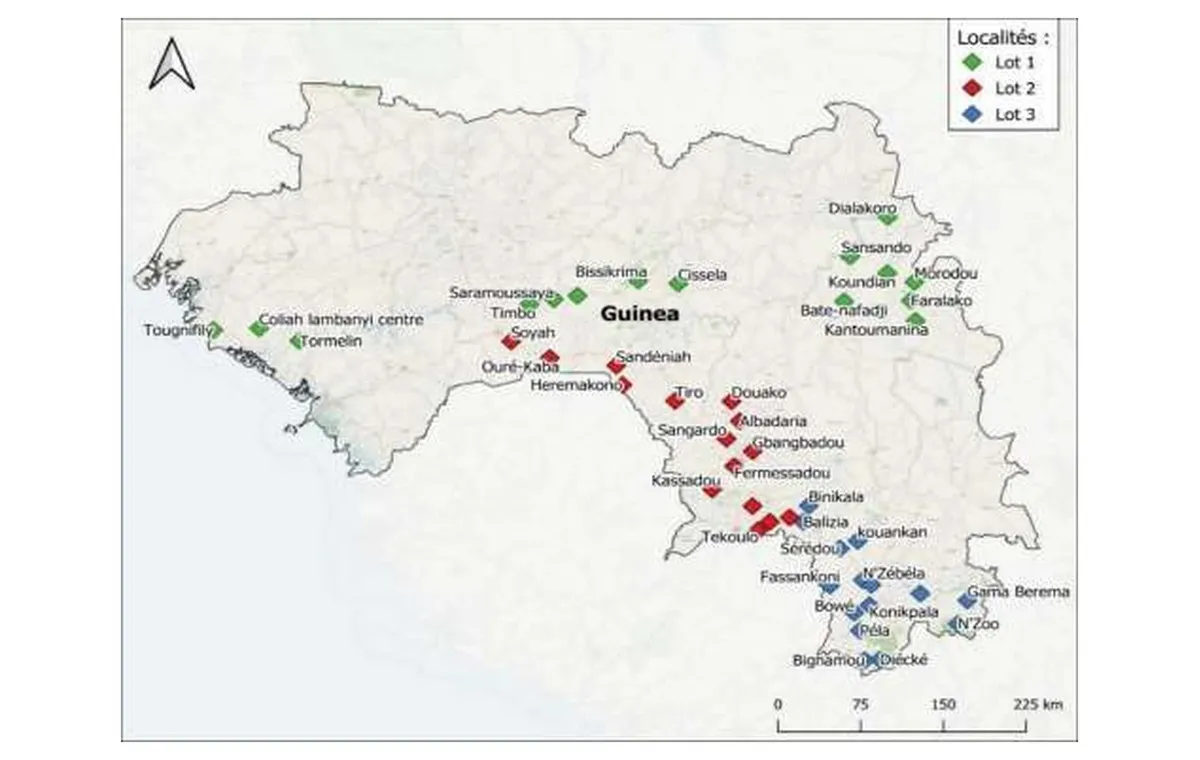
Field teams surveyed all 45 localities and completed 3,509 questionnaires across households, businesses and public services. Demand forecasts informed system sizing, financial modelling and concession design. Legal, environmental and social analysis shaped implementation requirements, while technical concepts combined solar PV, battery storage and limited diesel backup into procurement lots.
Impact in numbers
If implemented, the mini-grids could bring electricity to homes, enterprises and public services across 45 communities while relying predominantly on renewable energy. Productive users may extend working hours or adopt new equipment, and social facilities can improve essential services. The concession and procurement structure offers Guinea a scalable model for decentralised access.
Key highlights
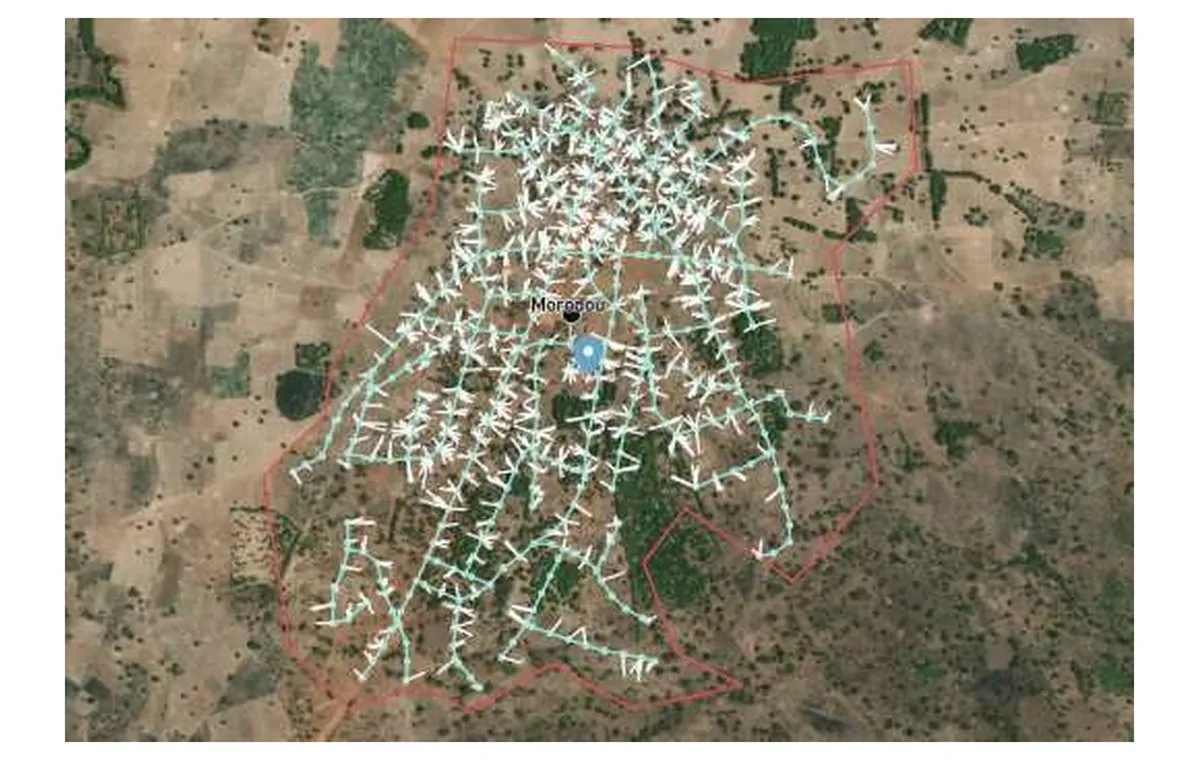
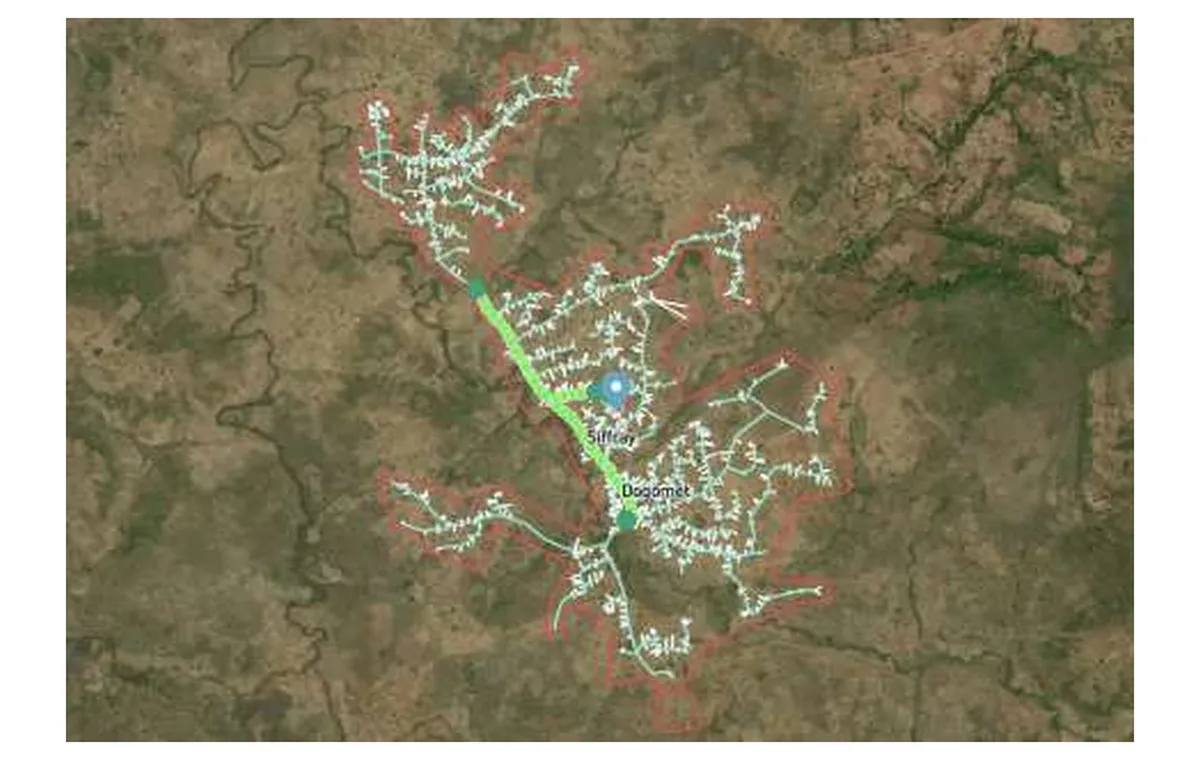
- The proposed portfolio totals close to 13 MWp of solar, more than 13 MWh of batteries and around 2.5 MVA of diesel backup, with diesel expected to provide only 5% of first-year generation.
- The study estimated approximately 8,500 tonnes of CO2 avoided annually and 170,000 tonnes over 20 years.
Success story
The study began in the communities that the mini-grids are intended to serve. Thousands of questionnaires captured how households, businesses and public facilities use energy and what future demand might look like. Those findings shaped systems that combine solar generation with batteries and a limited diesel reserve, rather than imposing one generic design. Financial and legal analysis then considered how private concessionaires could operate the assets, while environmental and social work identified responsibilities that must accompany construction. This preparation turns 45 dots on a map into a structured investment programme. If delivered, each mini-grid could support lighting, services and productive activity while the portfolio as a whole avoids substantial carbon emissions over its operating life.
Impressions