Flagship project
Green Future Farming: regenerative agriculture for environmental resilience in Ethiopia
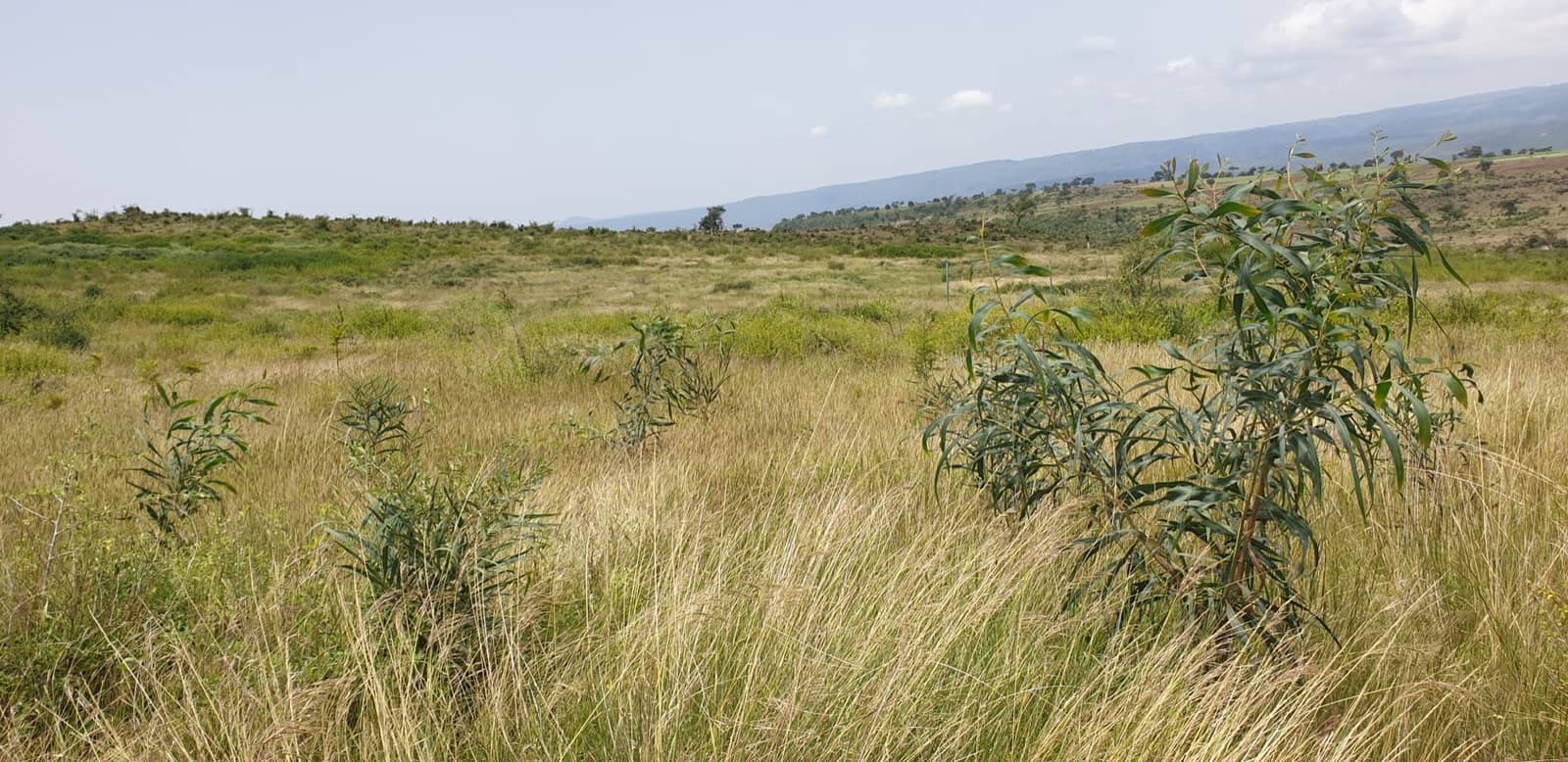
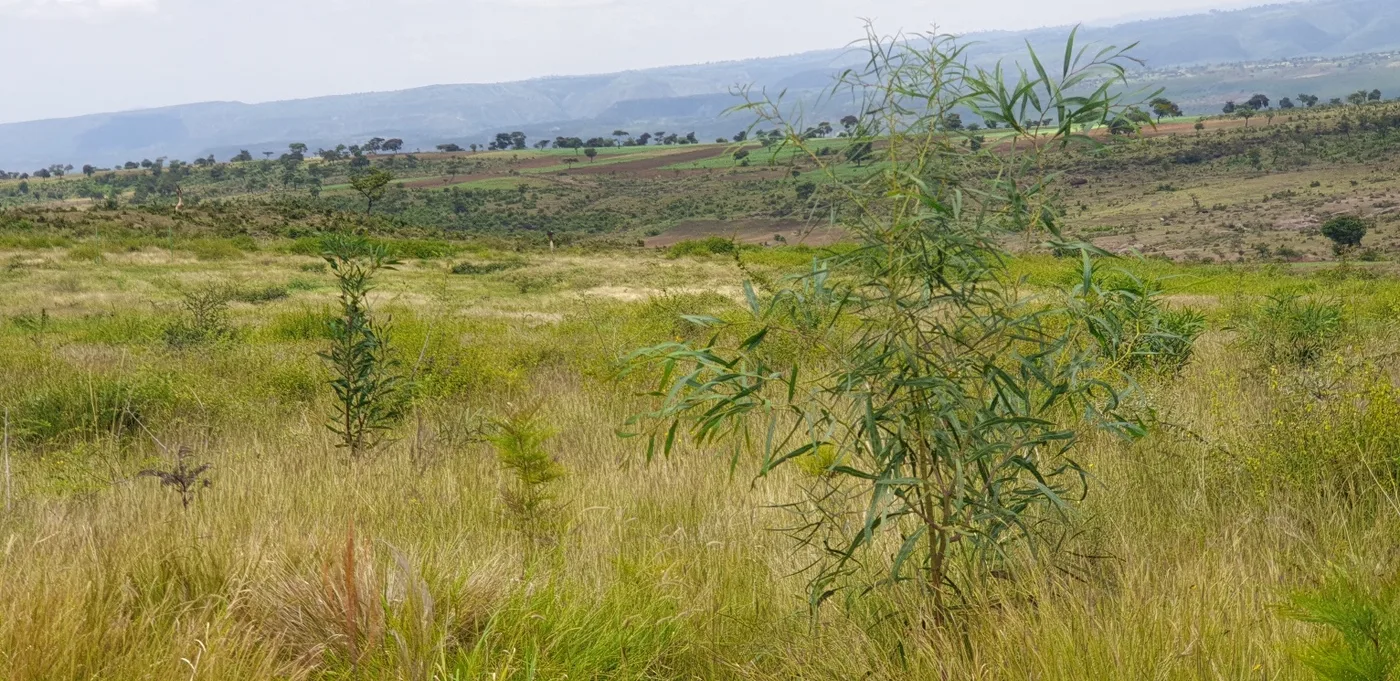
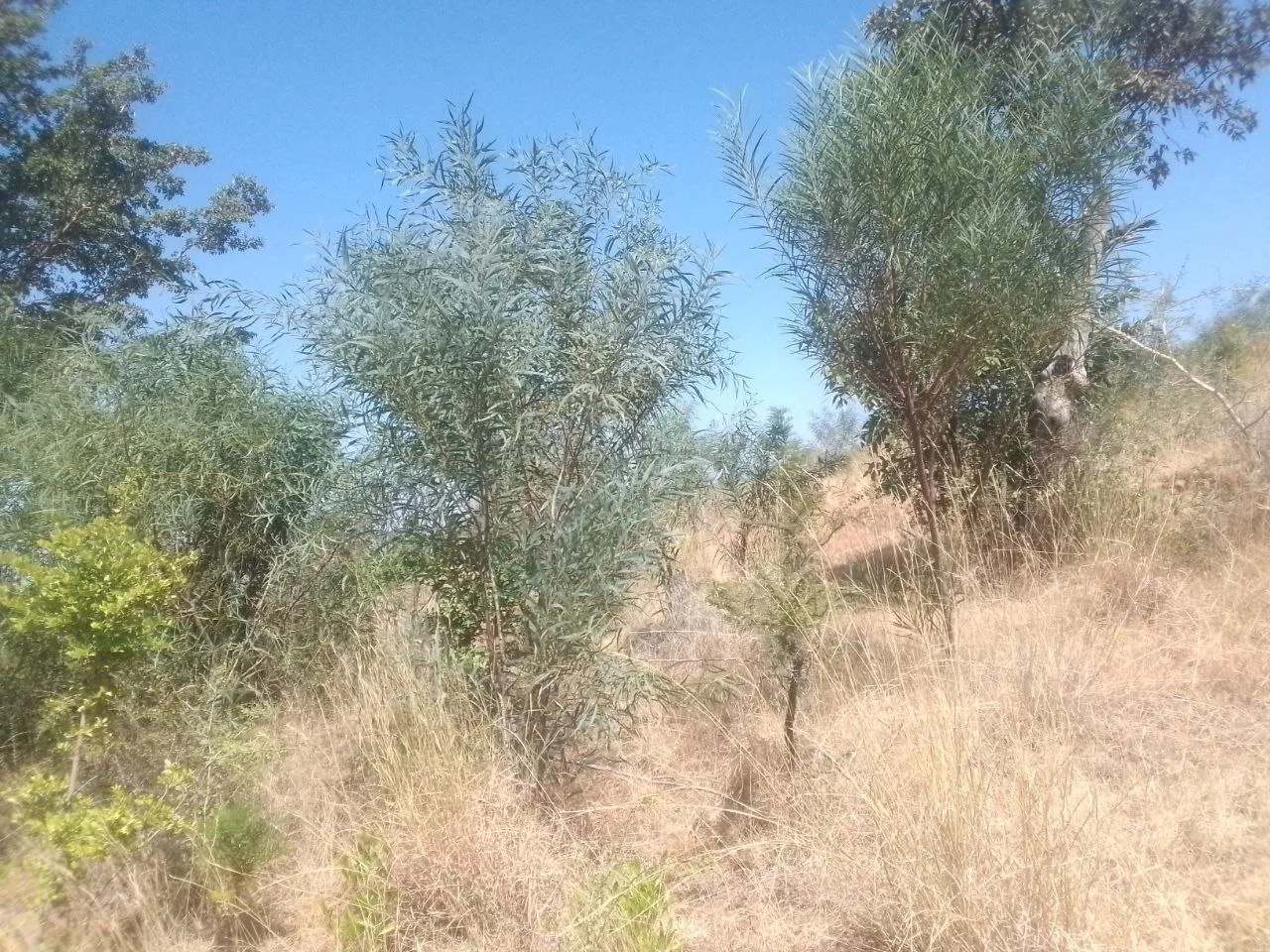
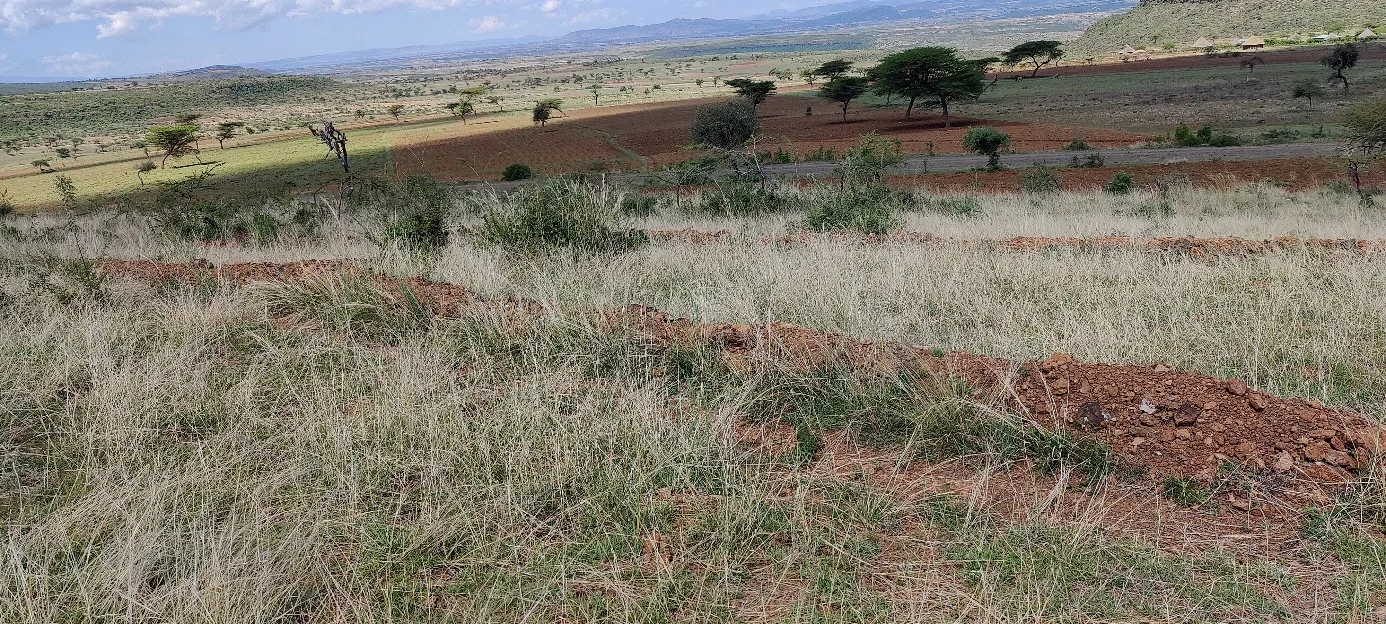
Demonstrated regenerative agriculture and circular economy approaches in Ethiopia by improving landscape restoration – the project rehabilitated 595 hectares of degraded land in Amhara and Oromia regions – water management, value chain development, improved crop production by 45–65% using homemade organic liquid biofertilizer, and farmer livelihood opportunities.
The challenge
Rural communities in East Africa face declining natural resources, particularly soil fertility and water availability, resulting in reduced agricultural productivity and limited livelihood opportunities. These challenges are intensified by climate change, limited investment, and pressure on landscapes, creating economic uncertainty for younger generations and increasing risks of migration and instability. The project addresses the need for sustainable agricultural systems that regenerate landscapes while creating viable economic opportunities.
Our goal
The project aims to demonstrate that regenerative agriculture and landscape restoration can provide profitable livelihood opportunities for farmers while improving ecosystem health. It seeks to promote circular agriculture through value chain reinvestment, improved water and soil management, sustainable production practices, and stronger connections between local enterprises, restoration initiatives, and public and private investment opportunities.
Our approach
The project applies a landscape-based approach combining regenerative agriculture, circular economy principles, and value chain development. In Ethiopia, GOPA Pro introduced regenerative farming practices, improved water availability through water harvesting and 3R measures, promoted agroforestry, roadside windbreaks, and smallholder horticulture. The project supported green enterprises, including nurseries, biofertilizer and rodenticide production, and improved post-harvest storage and processing. Organic waste reuse was promoted for soil improvement through bio-mulch and bio-fertilisers. The project also invested in awareness, learning, and knowledge exchange through communication activities, village events, radio programmes, and farmer-to-farmer learning. Monitoring, evaluation, and adaptive management guided implementation and supported continuous improvement.
Impact in numbers
The project strengthened the capacity of rural communities and local actors to implement regenerative agriculture and circular economy practices in Ethiopia. It introduced improved farming approaches, supported landscape restoration, enhanced water management practices, and promoted sustainable livelihood opportunities through green enterprises and improved value chains. Through reflexive monitoring, the programme was able to adjust interventions in response to changing conditions, including regulatory changes, challenges in sourcing tree seedlings, and evolving local partnerships. Knowledge-sharing activities, including radio programmes, village video events, horizontal learning exchanges, and promotional activities, supported awareness and dissemination of lessons learned.
Key highlights
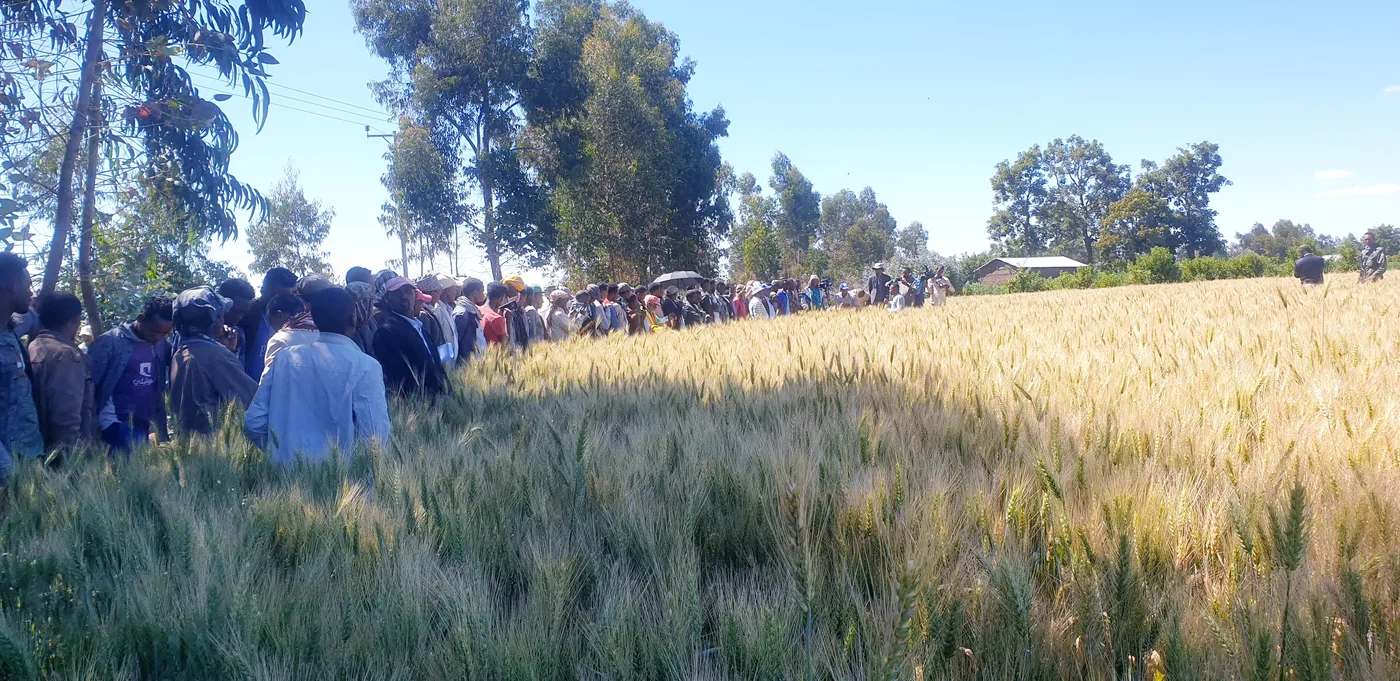
- The Green Future Farming programme demonstrated regenerative agriculture and circular economy approaches across diverse agro-ecological zones in East Africa. In Ethiopia, GOPA Pro implemented activities in the Awash Basin; Jeju, Sire, and Diksis Woredas in Oromia Region and Guba Lafto Woreda in Amhara Region.
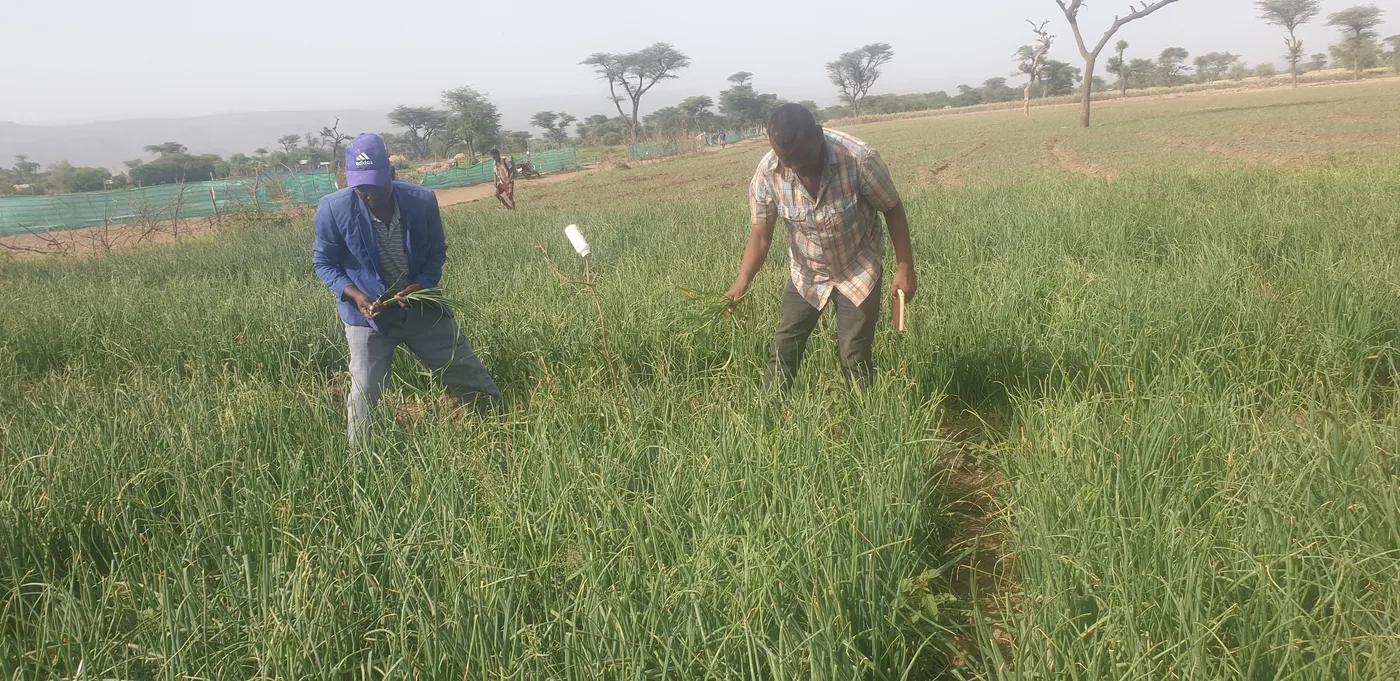
- Key activities included introducing regenerative agricultural practices with Development Agents, Agricultural experts at woreda levels, improving water security through 3R measures and roads-for-water approaches, promoting agroforestry and roadside windbreaks, and supporting smallholder horticulture. The project strengthened local value chains through crop business cases and green enterprises, including nurseries, liquid biofertilizer and rodenticide production, and improved post-harvest storage and processing. Circular economy approaches were promoted through landscape restoration techniques and the reuse of organic waste for soil improvement.
- GOPA Pro also coordinated monitoring, evaluation, and learning across all programme countries, establishing adaptive management systems, organizing learning events, and supporting reflection on implementation challenges and opportunities. Communication activities, including radio programmes, village video events, and knowledge exchanges, helped to promote learning and wider adoption of regenerative agricultural practices.
Voices from the field
Our kebele is not familiar with beekeeping. As a result, the majority of farmers were first uninterested in this work. A conflict of interest also existed. My neighbours warned me not to introduce bees because they would attack our kids and cattle. I made the decision to assume any danger in relation to the fear they expressed. I tried using local beehives to create before, but it didn't work out. The GFF program provided me with training and transitional beehives. I began my beekeeping by moving the colony from the old traditional hive to a new one. Because the bees didn't create an abundance of honey at the appropriate time last year, I didn't harvest enough honey. However, I harvested three rounds this year and sold over 20,000 ETB. Some of my neighbours consider this to be a miracle because it exceeds their expectations. I wish to have more beehives, and beekeeping will become my regular task in the future.
Before the Green Future Farming (GFF) project, I had very little to support my livelihood. Through the project, I received three female sheep. Within one year, they reproduced to twelve. I sold one sheep to repay the fund I had received, and today I own eleven sheep and others are pregnant. This project has truly transformed my life by improving my income and strengthening my household's livelihood.
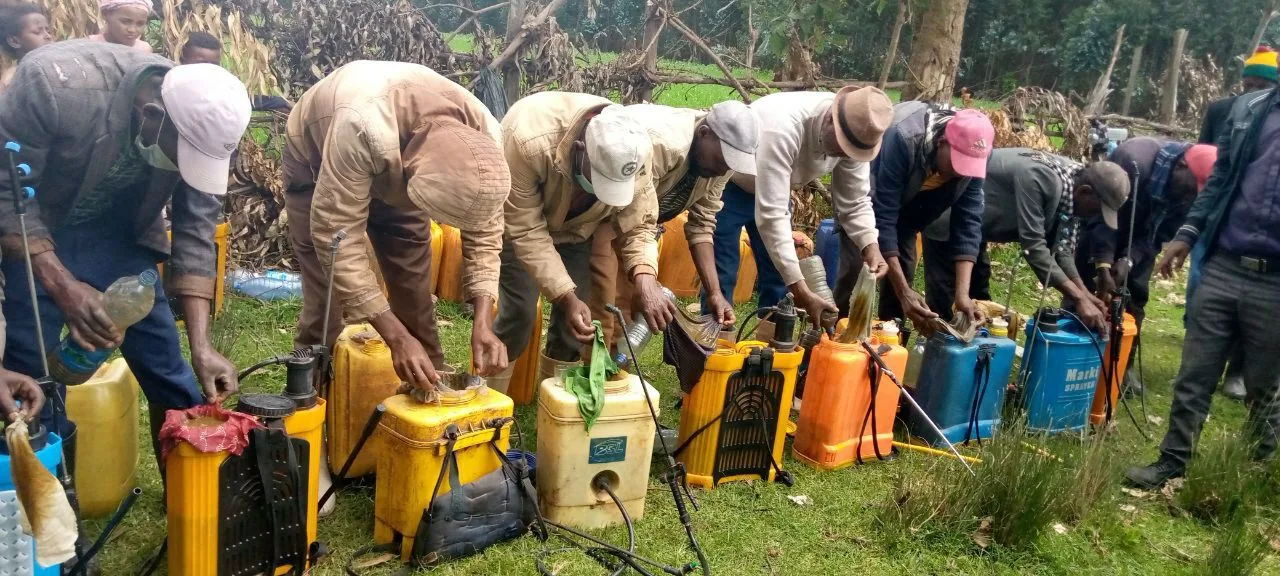
Urea fertiliser was expensive and often unavailable during the planting season. After receiving training in Sire town on the preparation and use of liquid bio-fertiliser, I prepared it immediately with technical support from our Development Agent. After 30 days, I applied it as a foliar spray on my papaya and avocado plants. I have already harvested papaya and observed that the bio-fertiliser helped increase production and improve the plants' resistance to disease.
Watch the video
I greatly admire the innovator who recognised that seemingly useless materials like dung, ash, and rock can be transformed into highly effective fertilisers that significantly boost crop yields. This is truly visionary thinking. We anticipate that this innovator will continue to bring forth similar technologies to protect our crops from various diseases and pests.
I received training on liquid biofertilizer from our development agents, who were trained by GOPA Pro. Following their instructions, I prepared the biofertilizer, but I was initially sceptical about its effectiveness. To test it, I allocated a previously unfertile plot of my land to sow Teff without any synthetic fertilizer. I thought I had nothing to lose, as the land seemed useless and I had doubts about the biofertilizer as well. However, once I sprayed the liquid biofertilizer, I observed a remarkable vegetative performance. This formerly barren land produced a higher yield than my previously fertile plots. It was truly amazing.
Watch the video
Success story
Derese Zegeye
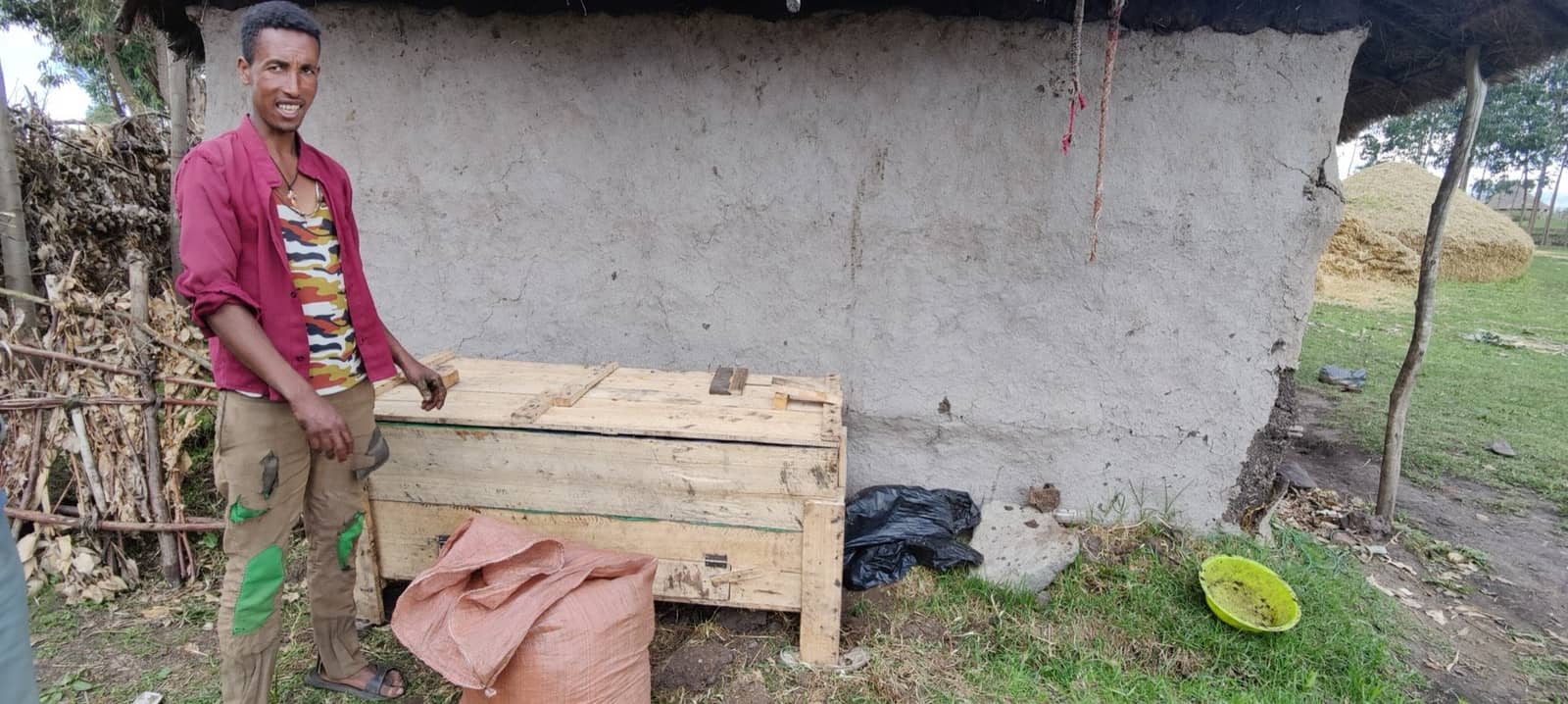
Mr Derese Zegeye is one of the beneficiaries of the project living in Diksis Woreda, Diksis Muraticha Kebele. He was identified as part of a poor household in the kebele in need of assistance. To support his family, he engaged in daily labour. However, since he lived in a rural area, consistent work was not always available, leading his family to rely on various coping mechanisms for their food. They would eat breakfast if it was available but often skipped it and relied on lunch to manage their needs. Derese was nominated by the kebele administration as a candidate for involvement in a small and micro enterprises (SMEs) initiative. He received a revolving fund and used it to buy three female sheep. The sheep gave birth to twins, which increased their number to eight in the first six months. In the second round, the same happened, and soon Derese had fourteen sheep. He sold one sheep to repay the revolving fund and then sold six more to purchase an ox for agricultural purposes. Additionally, he benefited from vermicompost and liquid biofertilizer demonstrated by the project.
Getting synthetic fertiliser has been very difficult for us due to affordability and supply issues, especially because of the war between Russia and Ukraine. I struggled a lot but couldn't obtain any. As the planting date was approaching, I remembered the vermicompost I had prepared with the project's support. I used it as a substitute for urea and planted my faba beans. I also sprayed the crops with liquid biofertilizer as a supplement. I was amazed by the performance of my crops. This is truly important and can help farmers boost their crop production.
Diksis Woreda, Diksis Muraticha Kebele
Special features
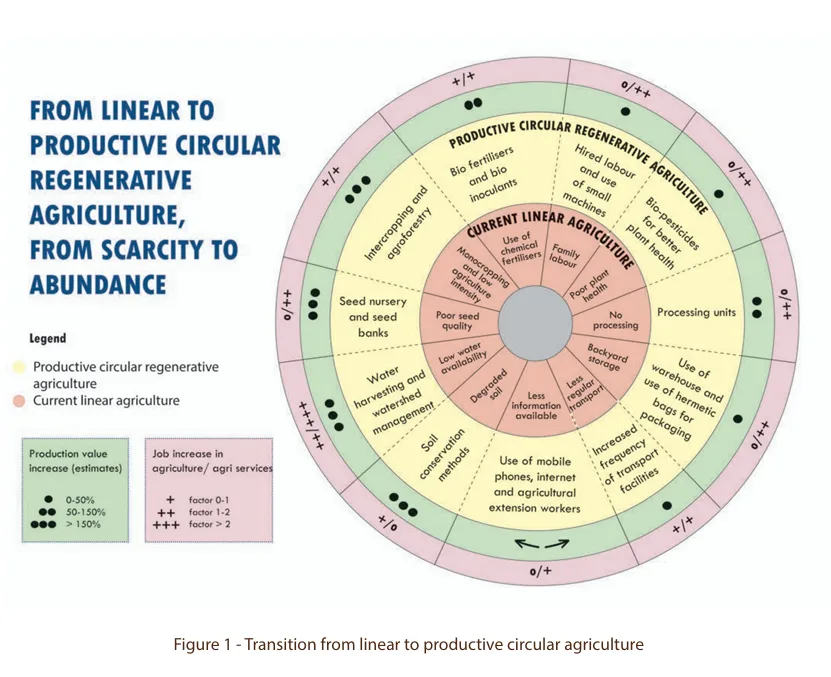
Infographic
Transition from linear to productive circular agriculture
Videos from the field
Impressions