
Flagship project
Financing Sustainable Urban Mobility in Ecuador
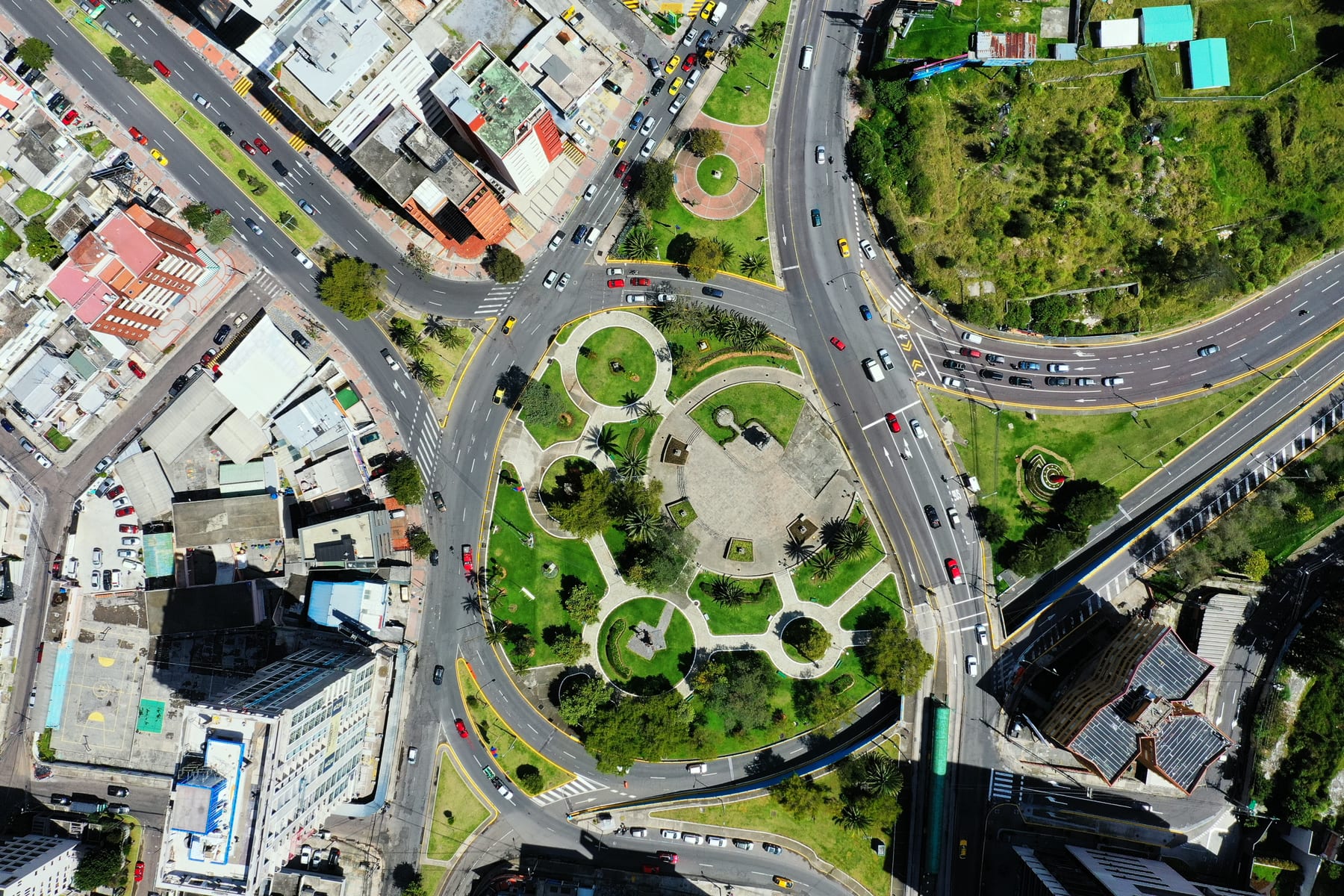
Ecuador's sustainable-mobility measure helps national institutions and municipalities develop urban transport projects that are technically credible, financeable and socially responsible.
Municipalities can approach financing partners with stronger proposals and a clearer understanding of implementation requirements. Better-prepared projects improve the prospects for investment in safer, lower-emission and more accessible transport. Institutional learning also remains available for future initiatives, reducing reliance on one-off preparation. Stronger proposals and stronger public institutions together improve the prospects for accessible, low-emission mobility investment across Ecuadorian cities.
The challenge
Ecuadorian institutions and municipalities need stronger technical, financial and organisational capacity to plan, structure and finance sustainable urban mobility investments. Municipal priorities need to be translated into well-structured proposals with realistic costs, financing options, safeguards and public support before investment can move forward.
Our goal
Ecuador's complementary measure improves urban-mobility investment proposals and the capacity of public bodies to bring them forward. It is designed to help municipalities move from broad transport priorities to structured projects with clearer costs, financing strategies, safeguards and stakeholder support.
Our approach
Institutional development strengthens the teams responsible for project preparation. Pre-feasibility studies test early concepts, after which project structures and financing strategies are refined. Environmental and social requirements shape the emerging proposals, and communication with stakeholders helps public bodies understand local concerns and build support before major investment decisions are taken.
Key highlights
- Participating institutions will gain practical preparation skills as well as project-specific evidence.
- The measure produces pre-feasibility findings, financing options and more clearly structured mobility proposals.
- Safeguard and engagement work ensures that technical design is considered alongside accessibility, social impacts and the views of the communities that future investments would serve.
Success story
A municipality may recognise the need for better public transport or safer streets yet struggle to express that priority as an investment proposition. Ecuador's measure supports the steps between those points. Teams investigate feasibility, test financial options, consider environmental and social implications and discuss plans with the people affected. The process can reveal what should change before a proposal reaches a lender or funding agency. That early discipline improves credibility and helps avoid designs that are technically appealing but difficult to finance or poorly aligned with local needs. Success would mean municipalities able to present stronger mobility projects and, equally importantly, better equipped to prepare the next ones themselves.