Flagship project
Climate and disaster resilience in Bangladesh
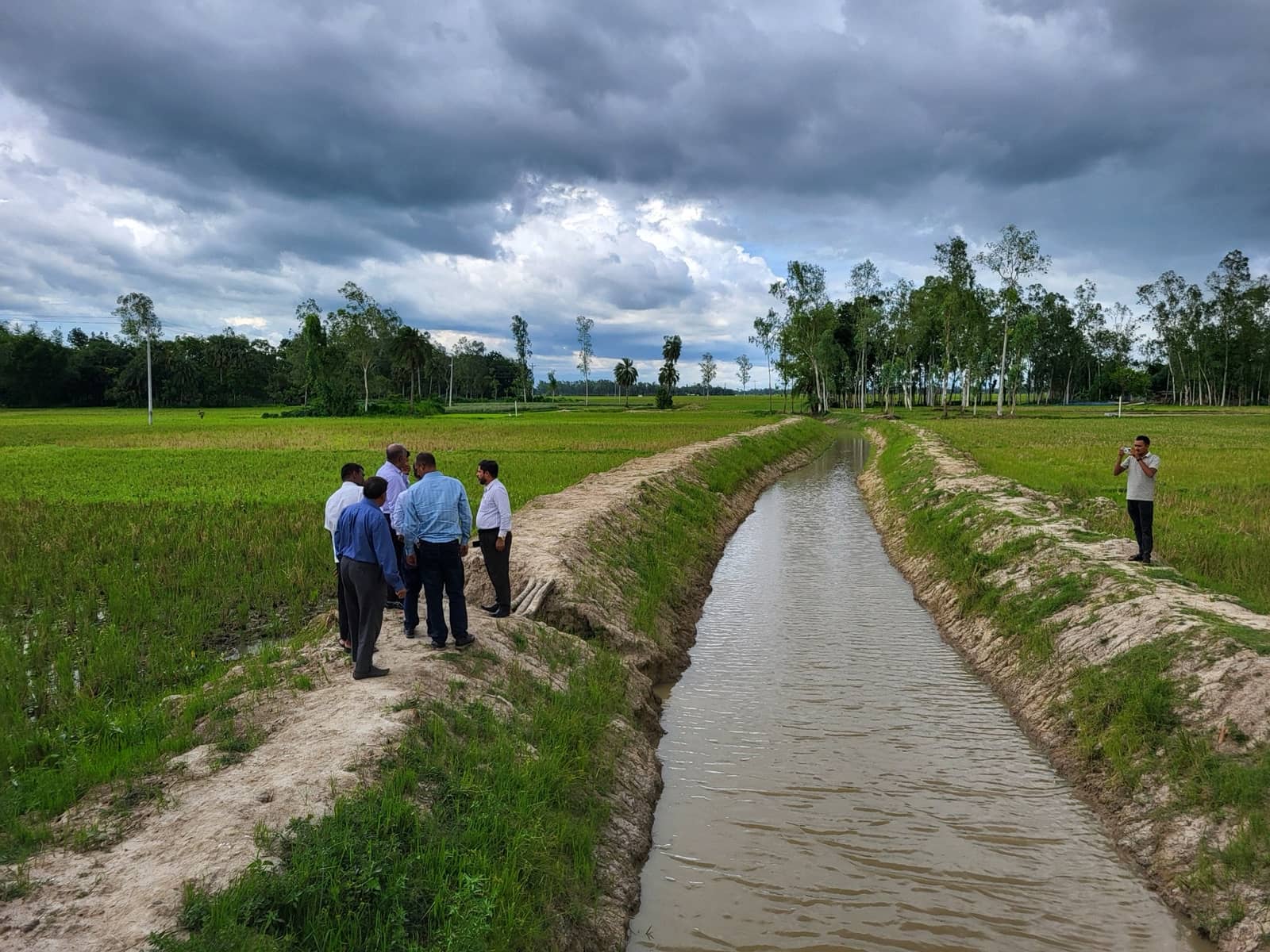
Supported climate-resilient and inclusive small-scale water resource management in Bangladesh through participatory institutions, gender-responsive approaches, smart farming solutions, and improved water infrastructure planning.
The challenge
Bangladesh faces increasing pressure on water resources due to climate variability, flooding, droughts, natural resource degradation, and changing land use patterns. These challenges reduce agricultural productivity, affect rural livelihoods, and disproportionately impact vulnerable groups. Limited local capacity for water management and inefficient value chains further constrain opportunities for sustainable agricultural development, requiring inclusive, climate-resilient, and community-driven water resource management solutions.
Our goal
The project aims to establish sustainable, stakeholder-driven small-scale water resource management systems that improve agricultural productivity, strengthen climate resilience, and enhance livelihoods in vulnerable areas of Bangladesh. It seeks to achieve this through inclusive water management cooperatives, climate-resilient infrastructure, improved agricultural and aquaculture value chains, and targeted support for women, youth, and vulnerable communities.
Our approach
The project combines participatory institutional development, climate-resilient infrastructure improvement, and livelihood enhancement. It strengthens Water Management Cooperative Associations (WMCAs) to support inclusive decision-making, operation, and maintenance of water systems, with particular attention to women's participation and vulnerable groups. The project develops and upgrades small-scale water infrastructure using climate adaptation measures, including improved irrigation, flood management, drainage systems, and nature-based solutions. It also promotes agricultural and aquaculture development through training, business planning, value chain support, market linkages, and smart farming approaches. Remote sensing and drone-based assessments are used to improve understanding of crop performance, water use efficiency, and opportunities for improved agricultural management.
Impact in numbers
No impacts visible yet – the expected outputs of the project are: (i) participatory subproject development and management improved, (ii) small-scale water resources infrastructure with climate- and disaster-resilient features developed or enhanced, and (iii) agribusinesses enhanced at the upazila (subdistrict) and WMCA levels, and vulnerable people's livelihoods supported.
Key highlights
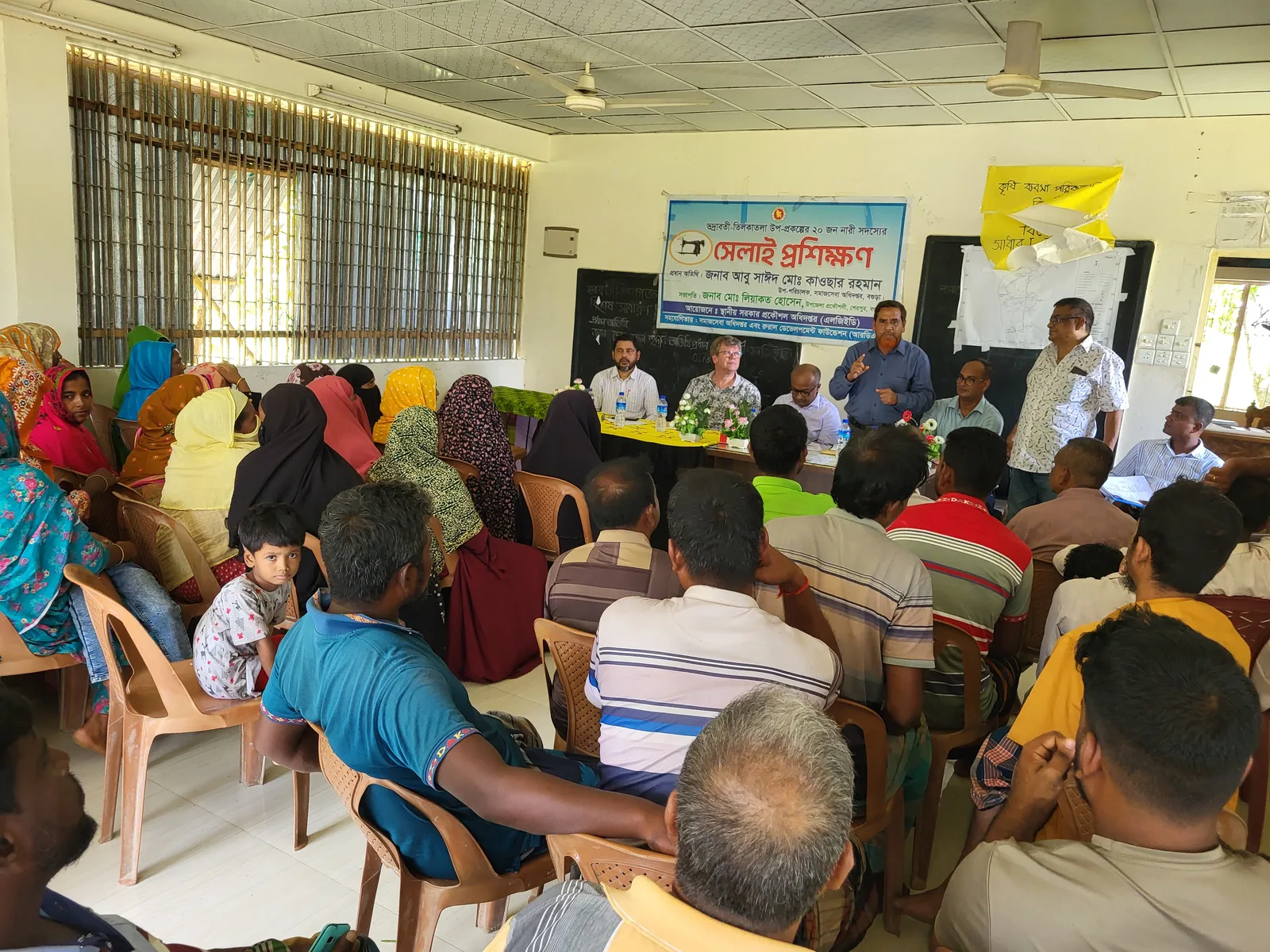
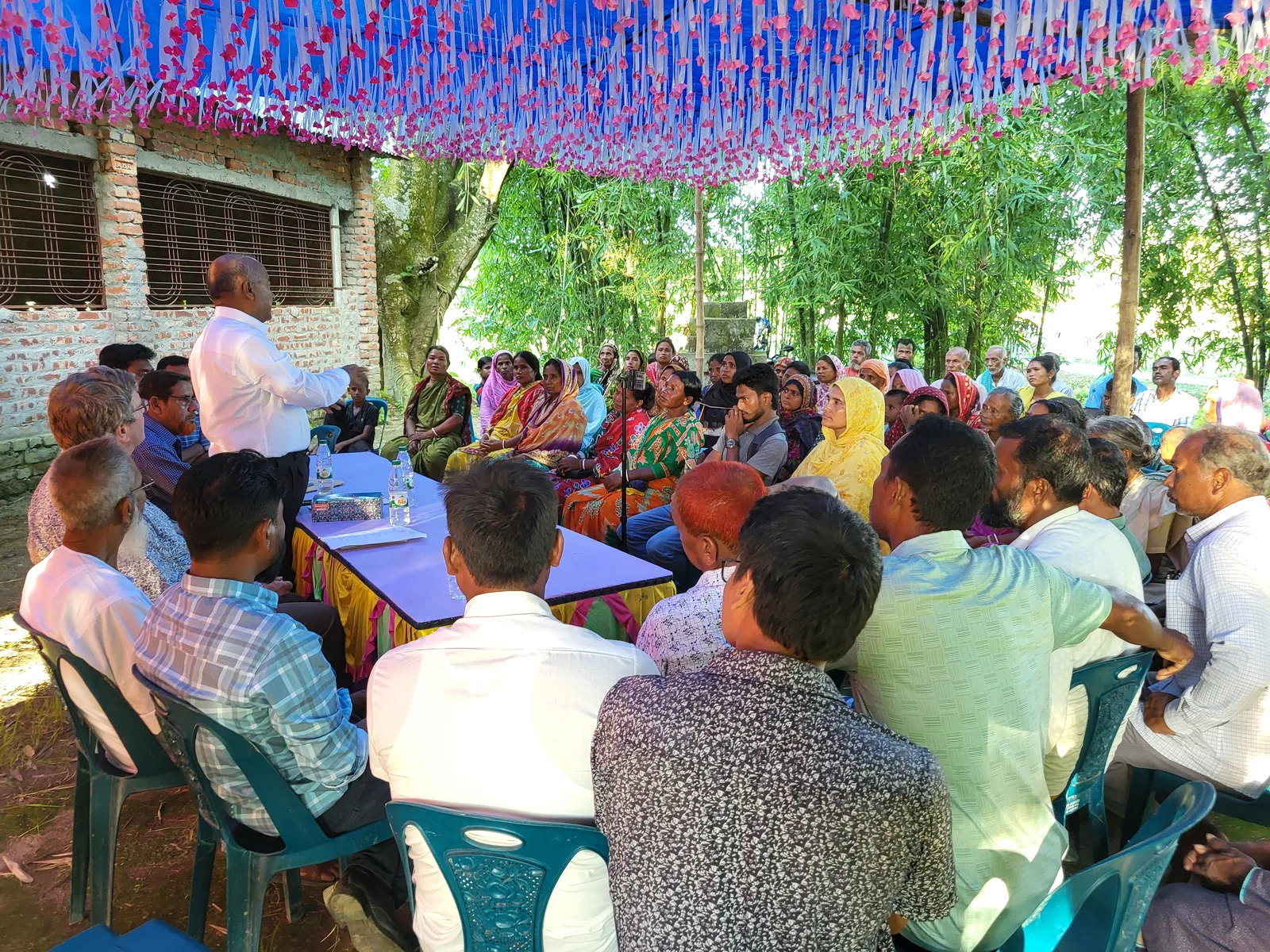
- The project supports integrated water resource management across climate-vulnerable areas of Bangladesh, including drought-prone, flood-prone, coastal, and riverine regions. A key focus is strengthening inclusive Water Management Cooperative Associations (WMCAs) to improve local ownership, operation, and maintenance of water management systems. The project promotes meaningful participation of women and youth through representation in management structures, dedicated subcommittees, training, and livelihood opportunities.
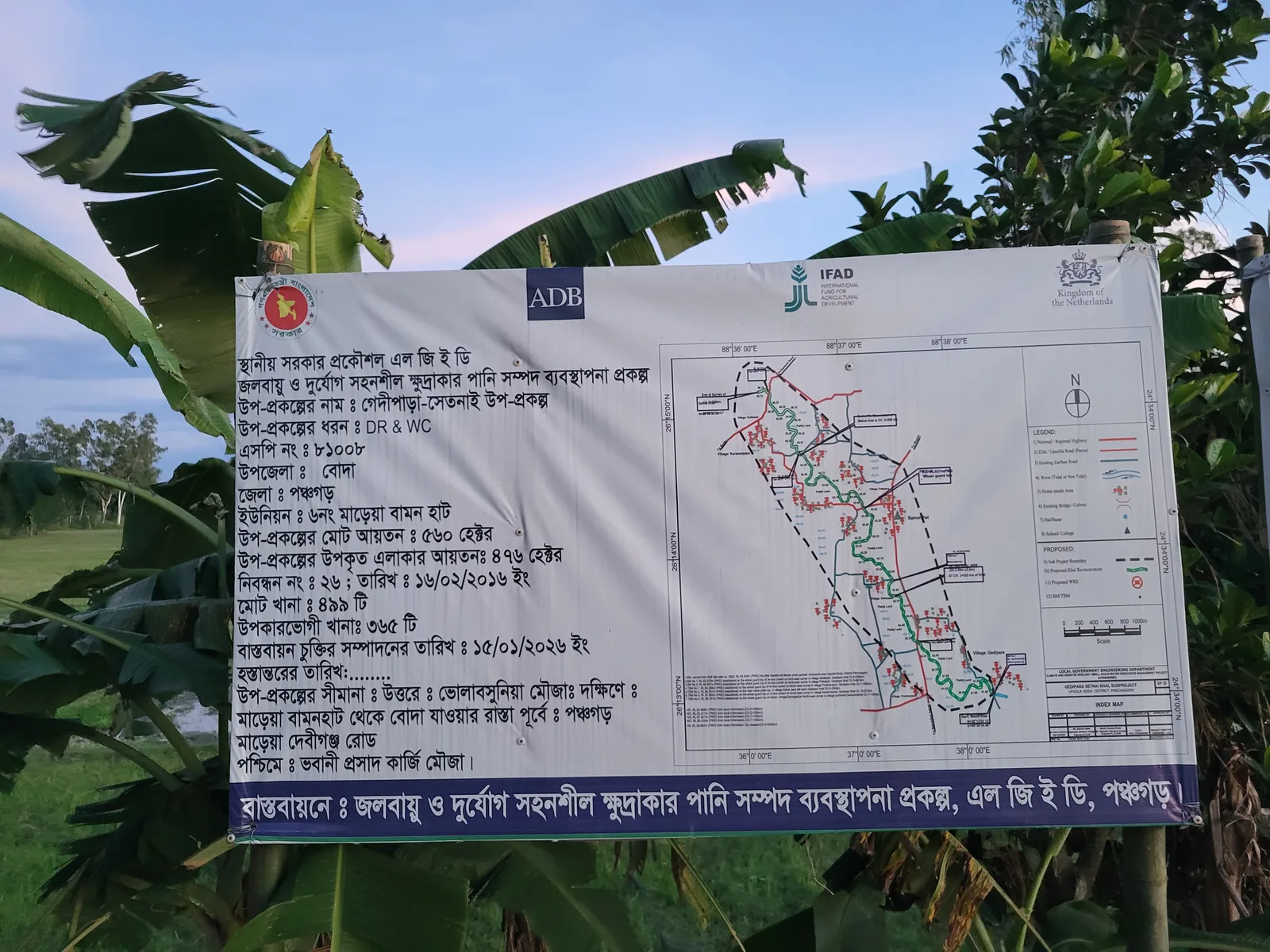
- Technical activities include supporting participatory planning processes, feasibility assessments, social safeguards, and institutional development for water management subprojects. Climate-resilient infrastructure investments are complemented by smart farming and remote sensing applications to assess crop patterns, crop health, water use efficiency, and agricultural constraints.
- The project also supports agribusiness and aquaculture development through business planning, producer–buyer linkages, market analysis, post-harvest facilities, fisheries development, and women-led enterprises. Through capacity building, institutional strengthening, and evidence-based planning, the project promotes sustainable water management systems that improve agricultural productivity and resilience.
Impressions