
Flagship project
Supporting Africa's path towards a continental free trade area
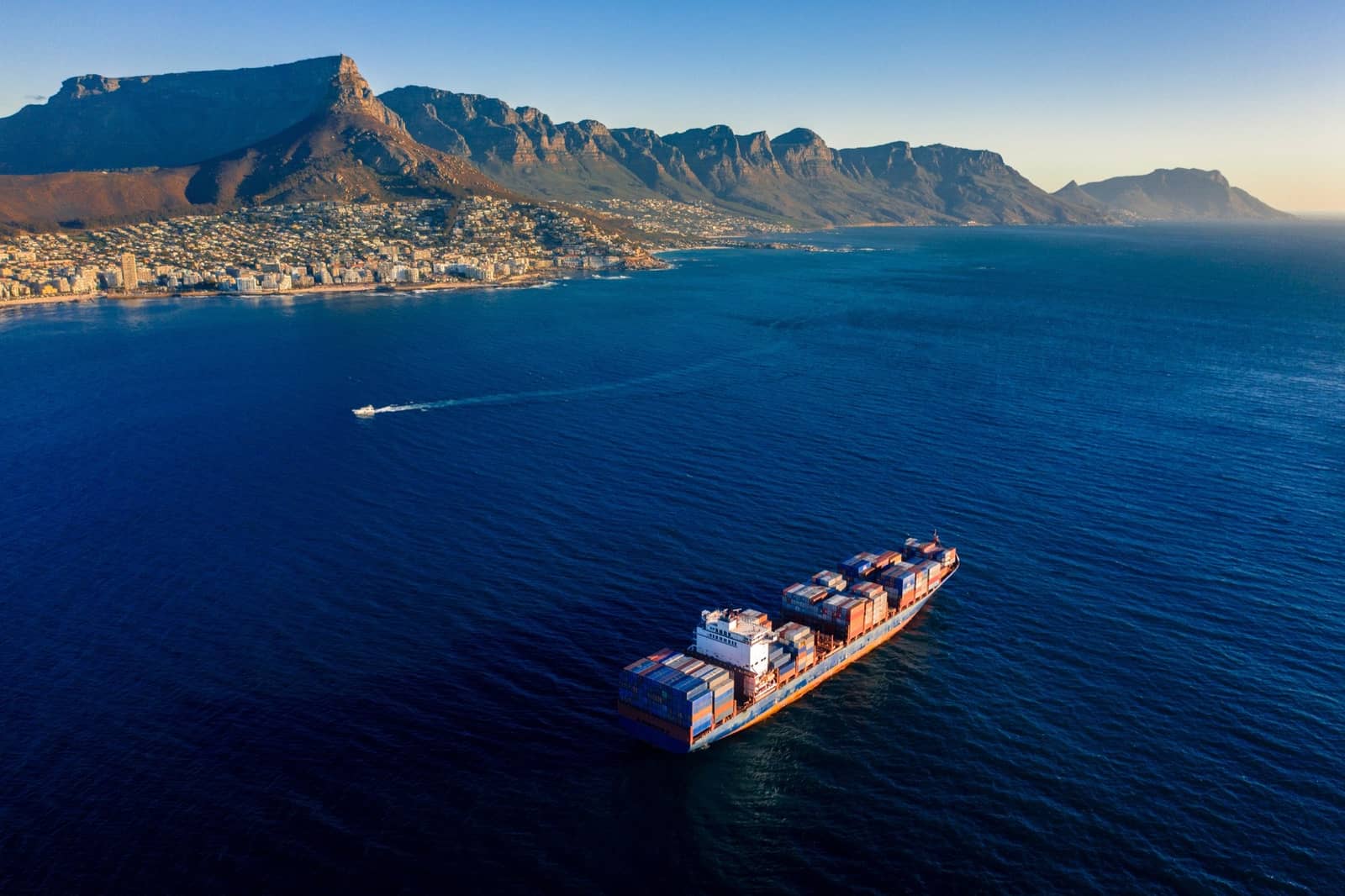
Strengthening African institutions and negotiators to advance the African Continental Free Trade Area (AfCFTA), supporting trade negotiations, policy reforms and regional economic integration across the continent.
The challenge
The African Continental Free Trade Area (AfCFTA) is the world's largest free trade area by number of participating countries, bringing together 54 African Union Member States and a potential market of 1.3 billion people. Turning this ambition into practice requires strong institutions, clear regulations, skilled negotiators and coordinated action at national, regional and continental levels.
Our goal
Supporting African countries, regional organisations and continental institutions to move the AfCFTA from agreement to implementation. The focus was on strengthening institutional capacity, providing specialised technical expertise, supporting negotiations and helping partners participate effectively in Africa's trade integration process.
Our approach
We provided flexible, on-demand expertise to help African institutions move AfCFTA negotiations and implementation forward. Instead of a one-size-fits-all approach, experts were mobilised whenever specific support was needed – from preparing negotiation inputs and reviewing regulations to advising on investment, services, e-commerce, competition and rules of origin.
Working with the African Union Commission, the AfCFTA Secretariat, Regional Economic Communities and Member States, we helped translate complex trade topics into practical tools, policy options and training for decision-makers and negotiators. This made it easier for partners to respond to emerging priorities and contribute effectively to Africa's single market agenda.
Impact in numbers
The support contributed to stronger institutional foundations for AfCFTA implementation at continental, regional and national levels: expert support on trade in goods, trade in services, investment, competition policy and sustainability; technical advice, training and negotiation tools for negotiators and government officials; regulatory audits, technical studies and policy papers to inform decision-making; stronger implementation mechanisms for regional and continental institutions; and closer cooperation between the AfCFTA Secretariat, the African Union Commission, Regional Economic Communities and Member States. By helping partners prepare policy positions, assess regulations and engage more effectively in negotiations, the work supported progress towards a more integrated African market – with greater opportunities for intra-African trade, investment and private-sector growth.
Key highlights
- Bringing in the right expertise at the right time to support fast-moving AfCFTA negotiations
- Helping negotiators prepare for discussions on investment, rules of origin, services, e-commerce and competition policy
- Reviewing national and regional regulations to identify what needs to change for smoother trade across borders
- Supporting ministries, regional organisations and trade experts with targeted training and practical guidance
- Strengthening cooperation between the AfCFTA Secretariat, the African Union Commission, Regional Economic Communities and Member States
- Contributing to stronger policy positions, clearer negotiation inputs and more coordinated implementation efforts
- Supporting initiatives that promote women's participation in trade and regional economic integration
- Together, these activities helped build the foundations for a more connected African market, with better conditions for trade, investment and private-sector growth
Success story
Supporting the negotiations behind Africa's single market
For African negotiators and policymakers, implementing the AfCFTA means navigating highly technical and politically important trade issues – from services liberalisation and investment rules to e-commerce, competition policy and rules of origin.
Through tailored technical assistance, they gained access to evidence-based analysis, regulatory assessments and specialised expertise at critical moments in the negotiation process. This helped turn complex trade policy questions into clearer options, stronger policy positions and practical negotiation inputs.
Support ranged from services liberalisation audits to investment protocol advice and rules-of-origin guidance. Regional organisations, national governments and continental institutions were able to draw on expertise when it was most needed, strengthening their participation in Africa's trade integration process.
While the work took place behind the scenes, its contribution was strategic: helping build the technical foundations for Africa's emerging single market and supporting the broader goals of Agenda 2063.
Impressions