
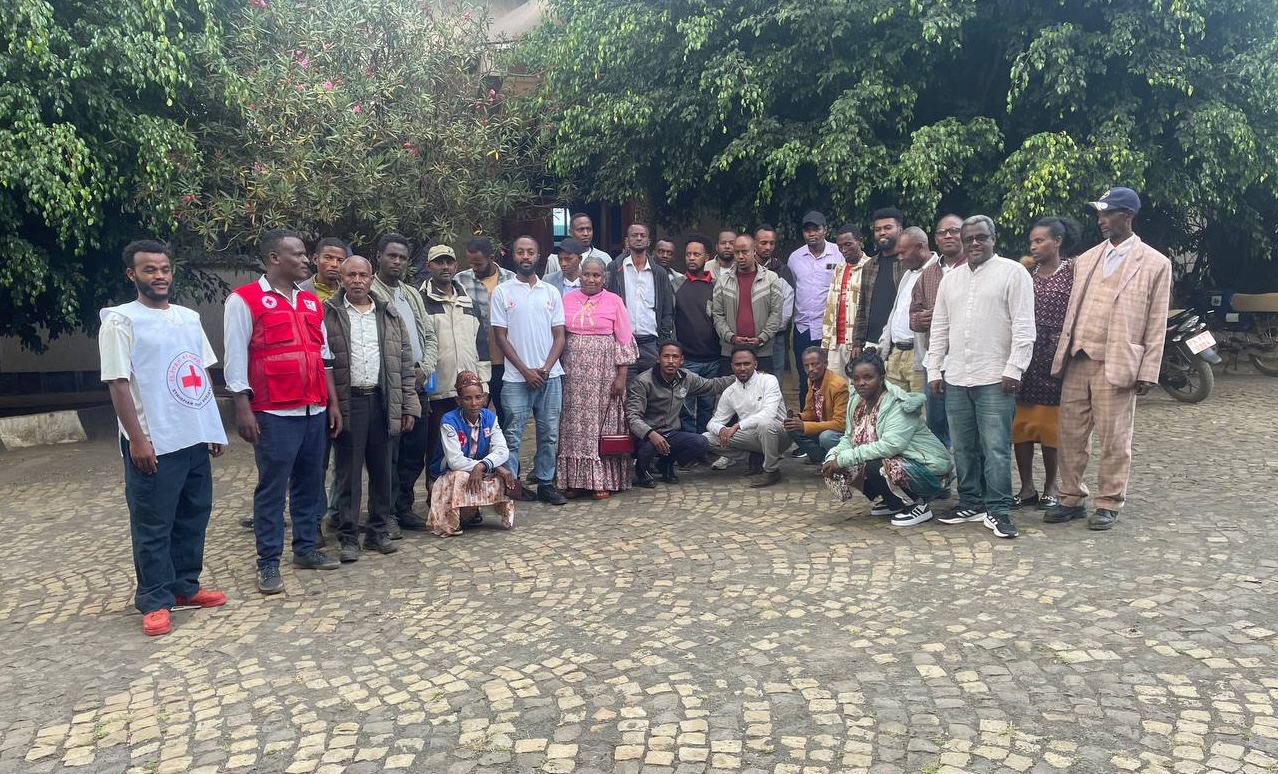
Wolaita Sodo, South Ethiopia Regional State: The STREAM project (Strengthening Resilience through Ecosystem-based Adaptation and Management) held a two-day training on Nature-Based Solutions for Landscape Restoration and Climate Adaptation from 14–15 October in Wolaita Sodo.
The training brought together 35 participants, including 31 men and 4 women, from project intervention areas. Participants represented farming communities, ERCS volunteers, Agriculture Offices, Environmental Offices, Disaster Risk Management Offices, Water Supply and Utility Offices, Watershed Task Force leaders, and community leaders from Damot Woide and Damot Galle woredas. The STREAM project is being implemented in partnership with the Netherlands Red Cross, Ethiopian Red Cross Society, GOPA Pro, and Acacia Water, with funding support from the Netherlands Red Cross. The project is part of the wider programme “Working with Nature to Protect People”, which promotes a holistic approach to strengthening community resilience by addressing the links between ecosystems, climate risks, livelihoods, and local adaptation strategies.
Within the consortium, GOPA Pro provides technical support on socio-economic activities, while Acacia Water leads the technical work on biophysical interventions. The Ethiopian Red Cross Society supports field-level implementation, while the Netherlands Red Cross plays a key coordination and support role.
Strengthening Local Capacity on Nature-Based Solutions
Experts from GOPA Pro and Acacia Water facilitated the training, with organisational support from the Netherlands Red Cross and the Ethiopian Red Cross Society.
The first day of the training focused on the general concept of Nature-Based Solutions, including practical experiences from other parts of Ethiopia. Participants discussed how ecosystem-based approaches can contribute to landscape restoration, climate adaptation, disaster risk reduction, and improved livelihoods.
The second day focused on findings from the STREAM project and the priority Nature-Based Solution practices identified for the project sites. These included:
• Regenerative agriculture.
• Agroforestry.
• Natural regeneration and tree planting.
• Grass strips, grass management, and rangeland restoration.
• Soil and water conservation structures, including contour bunds, half-moon/eyebrow structures, terraces, and check dams.
• Water harvesting interventions.
The training created an important platform for stakeholders to discuss locally appropriate restoration and adaptation measures, strengthen coordination, and explore how Nature-Based Solutions can be integrated into local planning and implementation processes.
Field Visit Highlights Community-Level Impact
The training followed a field visit to Damot Woide and Damot Galle woredas, where project beneficiaries shared their experiences and success stories from STREAM-supported livelihood activities.
Over the past year, the project supported 85 households in Damot Galle and 80 households in Damot Woide with small ruminants, including sheep and goats. Each beneficiary household received three shoats, which have since multiplied and contributed to improved household assets and income opportunities.
Some beneficiaries reported that they were able to sell part of their shoats to purchase donkeys, which are now used for transportation and income generation through rental services. Others used income from sheep and goat sales to buy oxen to support agricultural production.
These stories demonstrate how integrated livelihood support, when combined with ecosystem-based adaptation approaches, can contribute to both household resilience and sustainable natural resource management.
Building Resilience by Working with Nature
The STREAM project aims to co-develop and scale locally relevant solutions together with communities and local institutions. By combining technical support, field-based learning, livelihood strengthening, and ecosystem restoration, the project contributes to building resilience among vulnerable communities facing climate-related risks.
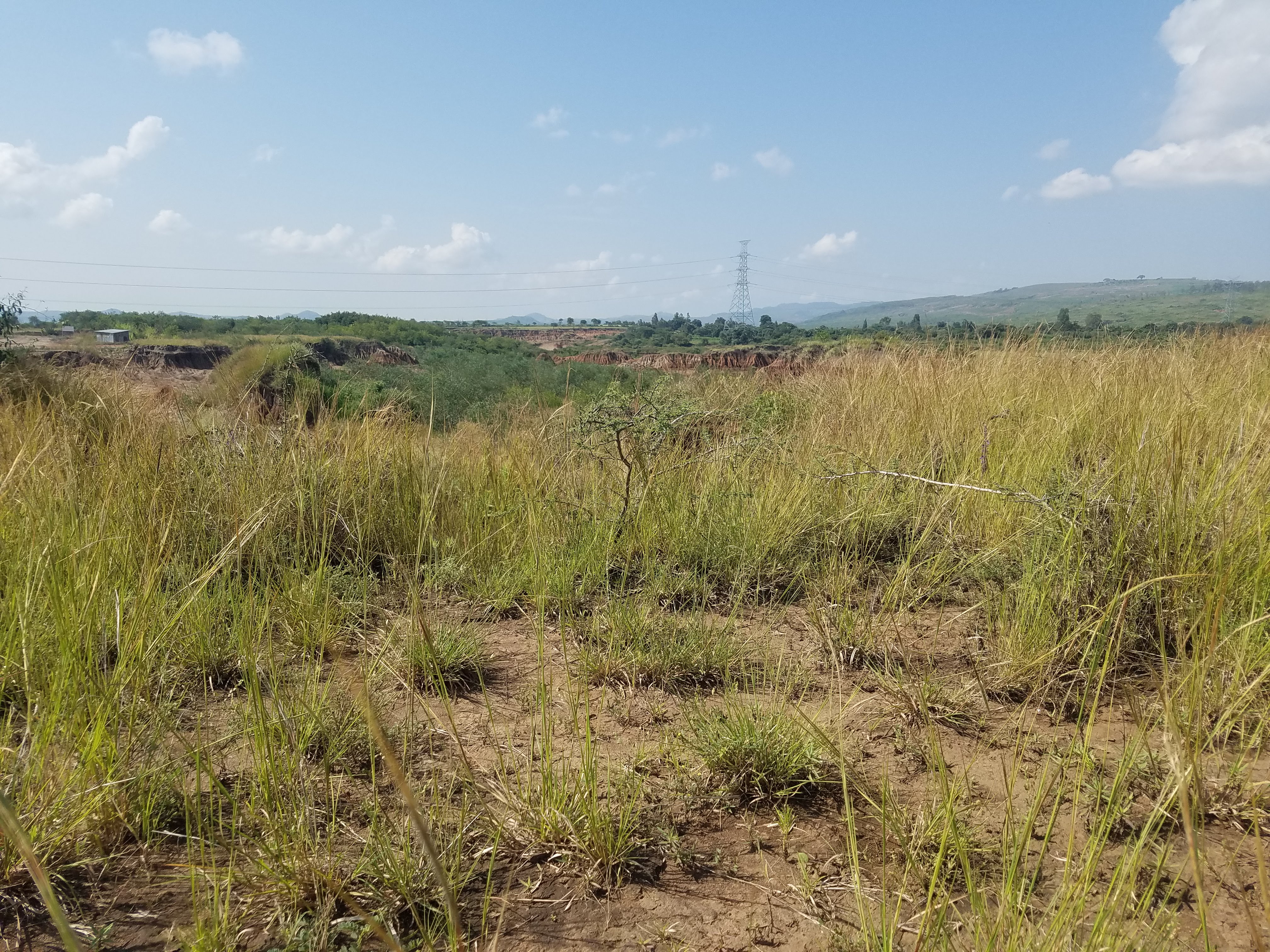
Furthermore, there are different soil and water conservation activities under implementation to rehabilitate more than 150 hectares of extremely degraded land through mobilisation of the target community & woreda. Right now, over 1.5 million different seedlings, including fruit trees, forest trees, coffee, and forage, have been developed, and some of them have been distributed to farming communities, whereas others have been planted in the protected area in the target woredas.
The Wolaita Sodo training marks an important step in strengthening local understanding and ownership of Nature-Based Solutions. It also provided an opportunity for government offices, community representatives, and project partners to align their efforts toward restoring degraded landscapes and improving climate resilience in the target woredas.